Ubirr Rock Art: A Journey Through Ancient Australian History
Located within the East Alligator region of Kakadu National Park in Australia's Northern Territory, Ubirr (previously referred to as Obiri Rock by C. P. Mountford) stands as a profound testament to human creativity and spiritual connection. This striking rock formation, situated on the edge of the Nadab floodplain, serves as an open-air gallery showcasing thousands of years of Aboriginal history.
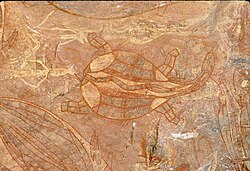
The site is characterized by a group of rock outcrops that provide natural shelters. Within these shelters, visitors can find an extensive collection of rock paintings that bridge the gap between the ancient past and the modern era.
Key Facts
- Location: East Alligator region, Kakadu National Park, Northern Territory, Australia.
- Timeline: Continuous painting and repainting since 40,000 BC.
- Primary Art Period: Most existing paintings date back approximately 2,000 years.
- Accessibility: Located 40 km from Jabiru via a sealed road.
- Key Features: Three main art galleries and a panoramic summit view.
The Art and Imagery of Ubirr
The rock faces at Ubirr are not merely static relics but living canvases. The art depicts a rich tapestry of the natural world and spiritual beliefs, featuring creation ancestors—supernatural beings from Aboriginal mythology—alongside local wildlife.
The paintings meticulously document the fauna of the region, including:
- Fish species such as barramundi, catfish, and mullet.
- Reptiles including goannas, long-necked turtles, and pig-nosed turtles.
- Mammals such as rock ringtail possums and wallabies.
Visiting the Site
Ubirr is accessible via a sealed road approximately 40 km from the town of Jabiru. Because the road is low-lying, access may be restricted during periods of heavy rain. Once at the car park, a short walk leads visitors through the main art sites toward the base of Ubirr Rock.
To enhance the visitor experience, National Park rangers—many of whom are Indigenous—provide educational talks at the three main art galleries, offering deep insights into the cultural significance of the works.
For those who climb to the top of the rock, the reward is a breathtaking panoramic view of the surrounding escarpments and the vast Nadab floodplains.
| Feature | Details |
|---|---|
| Region | East Alligator, Kakadu National Park |
| Earliest Art Date | 40,000 BC |
| Most Common Art Age | ~2,000 years old |
| Distance from Jabiru | 40 km |
| Key Wildlife Depicted | Barramundi, Goannas, Wallabies, Turtles |
Frequently Asked Questions
How old are the paintings at Ubirr?
The rock faces have been continuously painted and repainted since 40,000 BC, although the majority of the current paintings were created about 2,000 years ago. Some works have been updated as recently as modern times.
What animals are depicted in the rock art?
The art features various local animals, including barramundi, catfish, mullet, goannas, long-necked turtles, pig-nosed turtles, rock ringtail possums, and wallabies.
Is Ubirr accessible year-round?
While there is a sealed road from Jabiru, the road is low-lying, meaning access can be restricted during periods of heavy rain.
What can visitors see from the top of Ubirr Rock?
The summit of the rock offers a panoramic view of the surrounding escarpments and the Nadab floodplains.
Are there guides available at the site?
Yes, National Park rangers, including many Indigenous rangers, provide talks at the three main art galleries accessible to visitors.