Oceania World Heritage Sites: Protecting Humanity's Natural and Cultural Legacy
The vast expanse of Oceania holds some of the most significant treasures on Earth. These locations are recognized as World Heritage Sites—places listed by UNESCO for possessing outstanding cultural or natural value that belongs to the common heritage of all humanity. From sprawling coral reefs to ancient cultural landscapes, these sites represent the pinnacle of our planet's diversity.
Currently, the World Heritage Committee has designated 37 sites across Oceania. These landmarks are spread throughout 14 different countries, with the majority of the inscriptions located in Australia. The region's journey with UNESCO began in 1981, when the first three sites—the Great Barrier Reef, Kakadu National Park, and the Willandra Lakes—were officially inscribed.
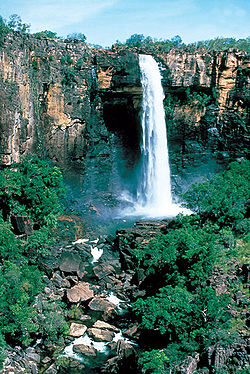
Key Facts
- Total Sites in Oceania: 37 designated World Heritage Sites.
- Regional Distribution: Located across 14 countries, primarily in Australia.
- Largest Sites: Phoenix Islands Protected Area, Papahānaumokuākea, and the Great Barrier Reef.
- Site Classifications: 11 cultural, 19 natural, and 7 mixed sites.
- Exceptional Recognition: The Tasmanian Wilderness is one of only two sites globally to meet seven out of ten selection criteria.
Understanding World Heritage Classification
Not all heritage sites are the same. The World Heritage Committee uses specific categories to classify these locations based on their unique characteristics:
- Cultural Heritage: Sites that represent human history, architecture, or social traditions.
- Natural Heritage: Sites featuring exceptional natural phenomena, geological processes, or biological habitats.
- Mixed Sites: Locations that represent both significant cultural and natural values simultaneously.
The Selection Process and Criteria
To be included on the list, a site must meet at least one of ten rigorous criteria. These are divided into two groups: six criteria dedicated to cultural heritage (i–vi) and four criteria dedicated to natural heritage (vii–x). The Committee reviews these sites annually, with the power to inscribe new locations or delist those that no longer meet the necessary standards.
World Heritage in Danger
Preservation is an ongoing challenge. UNESCO may designate a site as being "in danger" if specific conditions threaten the very characteristics that earned the property its World Heritage status. A notable example in the region is East Rennell, which was added to the List of World Heritage in Danger in 2013 due to threats posed by logging activities to its outstanding universal value.
Tentative List of Potential Sites
Beyond the officially inscribed sites, many locations are currently on a "Tentative List." These are sites that countries intend to nominate for World Heritage status in the future. The following table provides a snapshot of several sites currently under consideration in the region.
| Site Name | Location | Type | Year Submitted |
|---|---|---|---|
| Marine Protected Areas of American Samoa | American Samoa | Natural | 2017 |
| Great Sandy World Heritage Area | Queensland, Australia | Natural | 2010 |
| The Gondwana Rainforests of Australia | NSW / Queensland, Australia | Natural | 2010 |
| Yapese Disk Money Regional Sites | Yap State, Micronesia | Cultural | 2004 |
| Sovi Basin | Fiji | Cultural | 1999 |
| Northern Marshall Islands Atolls | Marshall Islands | Mixed | 2005 |
| Auckland volcanic fields | New Zealand | Mixed | 2007 |
| Huon Terraces | Papua New Guinea | Mixed | 2006 |
Frequently Asked Questions
What is a World Heritage Site?
A World Heritage Site is a location recognized by UNESCO as having outstanding cultural or natural value that is considered part of the common heritage of humanity.
How are sites selected for the list?
Selection is based on ten specific criteria: six for cultural heritage and four for natural heritage. A site must demonstrate exceptional value in at least one of these categories.
What does it mean if a site is "in danger"?
When a site is placed on the List of World Heritage in Danger, it means there are conditions—such as environmental threats or human activity—that jeopardize the characteristics for which the site was originally inscribed.
Which Oceania sites are the largest?
The three largest sites in the region are the Phoenix Islands Protected Area, Papahānaumokuākea, and the Great Barrier Reef.
Can a site be both cultural and natural?
Yes. These are known as "mixed sites" and represent a combination of both cultural and natural heritage values.