Tumba Francesa: The Rhythms and Traditions of Cuban Heritage
Tumba francesa is a vibrant musical and dance tradition that serves as a living archive of Cuba's multicultural history. This art form blends the musical legacies of West African, Bantu, French, and Spanish origins, creating a unique cultural synthesis. In the context of this tradition, the term "tumba"—derived from Bantu and Mandinka words for drum—refers simultaneously to the instruments themselves, the musical ensembles, and the overall performance.
The tradition is deeply rooted in the social fabric of Cuba, particularly in the eastern regions, where it maintains a structural relationship with a specific type of Cuban rumba known as tahona.
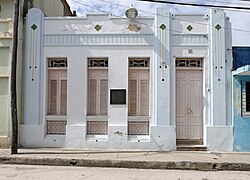
Key Facts
- Origins: A fusion of West African, Bantu, French, and Spanish influences.
- Etymology: "Tumba" comes from Bantu and Mandinka words meaning drum.
- Leadership: Performances are directed by a mistress of ceremonies called the mayora de plaza.
- Language: Vocals use a mixture of Spanish and French patois known as kreyol cubano (or patuá cubano).
- Core Instruments: Three single-headed hand drums (premier, bulá, and segón) and a wooden idiophone (catá).
Instrumentation and Performance Structure
A tumba francesa performance is a carefully choreographed sequence of sound and leadership. It begins with the composé, the lead vocalist, who performs improvised solo singing. This introduction sets the stage for the catá—a cylindrical wooden idiophone struck with two sticks—to establish the beat.
Once the rhythm is set, the composé engages in a call-and-response exchange with a group of female vocalists known as tumberas. The percussion then swells with the entry of three single-headed hand drums, categorized by size:
- Premier (or Manma): The largest drum, which now often fulfills the lead improvisatory role and is commonly called the quinto.
- Bulá: The mid-sized drum.
- Segón: The smallest drum.
Depending on the specific performance, other instruments may join. In the toque masón, a double-headed bass drum called a tamborita (or tambora) provides the rhythmic foundation alongside the catá. Additionally, the mayora and tumberas often play a shaker known as a chachá or maruga throughout the event.
The Toques: Types of Performance
The music is divided into different toques, which are specific types of performances associated with particular dances.
Masón
The masón is the opening toque. It utilizes the full ensemble and accompanies a quadrille-style dance, which is similar to the contradanza.
Yubá
Following the masón, the yubá features the catá and the three tumbas. This section is paired with the primary tumba dance, which is improvised. The yubá is further divided into two subtypes: macota and cobrero.
Frenté (or Fronté)
Originally the concluding part of the yubá, the frenté is now recognized as its own toque. It involves the catá, the premier, and the bulá. Its name derives from the fact that it is performed in front of the drums.
Cinta
Exclusive to Santiago de Cuba, the cinta is a specialized performance that takes place around a tree trunk adorned with red, white, and blue colored bands (cintas).
The Art of the Dance
The dance associated with tumba francesa shares similarities with the Haitian affranchi. The choreography typically begins with French-style figures characterized by a held torso and a straight back. This formal structure eventually gives way to African-inspired improvisation during the final set. Unlike the affranchi, which uses string and woodwind instruments, tumba francesa is driven entirely by percussion. Dancers typically wear colorful and flamboyant attire to match the energy of the music.
| Toque | Instruments Used | Dance Style | Special Notes |
|---|---|---|---|
| Masón | Full ensemble (including tamborita) | Quadrille / Contradanza | The opening performance |
| Yubá | Catá and three tumbas | Improvised tumba dance | Includes macota and cobrero subtypes |
| Frenté | Catá, premier, and bulá | Performed in front of drums | Formerly the end of the yubá |
| Cinta | Varies | Around a decorated tree | Only performed in Santiago de Cuba |
Frequently Asked Questions
What does the word "tumba" mean?
The word derives from Bantu and Mandinka languages meaning "drum." In Cuba, it refers to the drums, the ensemble, and the performance itself.
Who leads a tumba francesa performance?
The performance is directed by a mistress of ceremonies known as the mayora de plaza.
What language is spoken in the songs?
The songs are performed in kreyol cubano (or patuá cubano), which is a mixture of Spanish and French patois.
How does the dance differ from the Haitian affranchi?
While both share similar French-style figures and African improvisation, tumba francesa is performed to drums, whereas the affranchi uses woodwind and string instruments.
What are the three main drums used?
The three single-headed hand drums are the premier (or quinto/manma), the bulá, and the segón.