Treaty of London (1915): The Secret Pact That Shaped World War I
The Treaty of London, signed on April 26, 1915, was a clandestine multilateral agreement designed to shift the balance of power during the Great War. Orchestrated by the United Kingdom, France, and Russia, the pact aimed to entice Italy to abandon its neutrality and join the Triple Entente (the alliance of Britain, France, and Russia) against the Central Powers.
To secure Italy's military support, the Entente powers promised significant territorial rewards. These gains were intended to come at the expense of Austria-Hungary, the Ottoman Empire, and various colonial holdings in Africa. The strategic goal was clear: force Germany and Austria-Hungary to divert troops from existing fronts to defend new borders, while potentially encouraging Romania and Bulgaria to join the Entente.
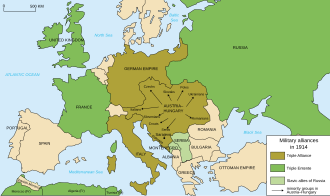
Key Facts
- Signed: April 26, 1915, in London, United Kingdom.
- Parties: United Kingdom, France, Russia, and Italy.
- Primary Goal: To bring Italy into World War I on the side of the Entente.
- Key Promises: Territorial expansion in the South Tyrol, Austrian Littoral, Dalmatia, and Asia Minor.
- Outcome: Italy joined the war but felt betrayed by the subsequent peace settlements, leading to the concept of the "mutilated victory."
The Terms of the Agreement
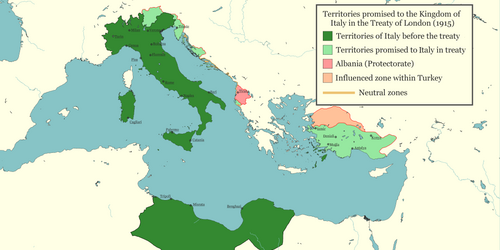
The treaty was meticulously detailed regarding European borders but remained vague concerning overseas acquisitions. A primary focus was the Adriatic region, where Italy sought military dominance.
European Territorial Gains
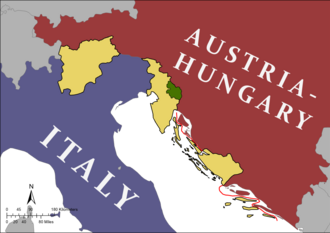
Italy was promised territories in the South Tyrol, the Austrian Littoral, and Dalmatia. To ensure Italian control, Article 5 mandated the demilitarisation (the removal of military installations and personnel) of the coast between Cape Planka and the Aoös River, with specific exceptions near Dubrovnik and Montenegro. These arrangements effectively added 200,000 German speakers and 600,000 South Slavs to the Italian population.
Global Ambitions and Financials
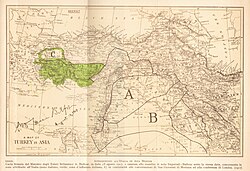
Beyond Europe, the treaty promised Italy territory in the Antalya region during a potential partition of the Ottoman Empire and rights in Libya under the Treaty of Ouchy. Additionally, Italy was promised compensation if Britain or France gained German colonies in Africa. Financially, the Entente offered a loan of 50 million pounds sterling and a share in any eventual war indemnity.
Diplomatic Friction and the Yugoslav Response
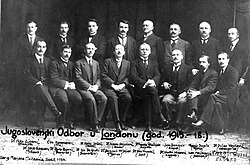
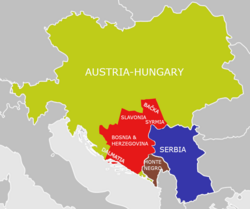
Despite the requirement for absolute secrecy, the treaty's outlines leaked to the Yugoslav Committee—a group representing South Slavs in Austria-Hungary. This sparked immediate protests from Serbia and the Committee, who argued that the pact violated the principle of self-determination.
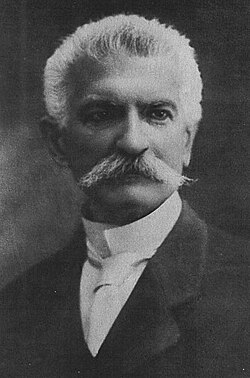
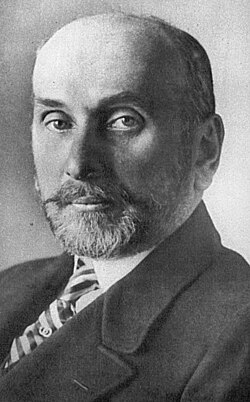
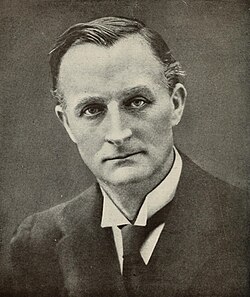
Serbian leader Nikola Pašić and Yugoslav representative Ante Trumbić demanded assurances regarding the political union of Serbs, Croats, and Slovenes. While British Foreign Secretary Edward Grey declined these requests, the pressure eventually led to the 1917 Corfu Declaration, a plan for South Slav unification designed to counter Italian claims.
The Course of the War
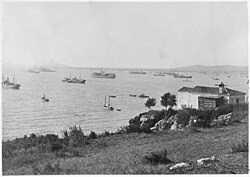
Italy entered the war on May 22, 1915, but initially declared war only against Austria-Hungary, ignoring the treaty's requirement to fight all Central Powers. This caused significant tension with France and Russia. Italy eventually declared war on the Ottoman Empire in August 1915 and Germany in August 1916.
The conflict was grueling. After a devastating defeat at the Battle of Caporetto in 1917, Italian forces recovered to win the Battle of Vittorio Veneto in 1918. However, the victory came at a staggering cost of 600,000 dead and a crippled economy.
The Paris Peace Conference and "Mutilated Victory"
The aftermath of the war brought a diplomatic crisis. U.S. President Woodrow Wilson vehemently opposed the Treaty of London, viewing it as a symbol of deceptive diplomacy. He invoked the legal doctrine of clausula rebus sic stantibus—arguing that the treaty was invalid because the fundamental circumstances (the existence of Austria-Hungary) had changed.
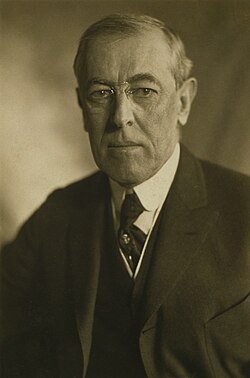
Wilson advocated for the self-determination of peoples, which clashed with Italian ambitions in the Adriatic. Consequently, the Allies refused to honor many of the promises made in 1915, including claims in Asia Minor and Africa. This perceived betrayal led to the Italian concept of the "mutilated victory" (vittoria mutilata), fueling national resentment.
Final Settlements: The Treaty of Rapallo
Following the Vlora War, where Albanian forces expelled the Italian garrison from Vlorë, Italy sought a compromise with the new Kingdom of Serbs, Croats, and Slovenes. The resulting Treaty of Rapallo (1920) awarded Italy Istria, the city-enclave of Zadar, and the Snežnik Plateau, while establishing the Free State of Fiume. This settlement added another 350,000 Slovenes and Croats to Italy's population.
| Category | Details |
|---|---|
| Signatories | United Kingdom, France, Russia, Italy |
| Key Negotiators | Edward Grey (UK), Sergey Sazonov (Russia), Sidney Sonnino (Italy) |
| Promised Territories | South Tyrol, Austrian Littoral, Dalmatia, Antalya (Asia Minor) |
| Financial Terms | £50 million loan and share of war indemnities |
| Primary Conflict | Clash between Italian claims and South Slav self-determination |
Frequently Asked Questions
Why was the Treaty of London kept secret?
The treaty was kept secret to avoid alerting the Central Powers to Italy's negotiations and to prevent diplomatic backlash from other allies, such as Serbia, whose own territorial interests clashed with the promises made to Italy.
How did Woodrow Wilson affect the treaty's outcome?
President Wilson rejected the treaty at the Paris Peace Conference, arguing that secret diplomacy was immoral and that the breakup of Austria-Hungary rendered the original territorial agreements invalid under the principle of self-determination.
What does the term "mutilated victory" refer to?
It refers to the Italian belief that despite their sacrifices and victory in World War I, they were cheated out of the territorial rewards promised to them in the Treaty of London by their own allies.
What was the result of the Treaty of Rapallo?
The Treaty of Rapallo served as a compromise that settled the border between Italy and the Kingdom of Serbs, Croats, and Slovenes, granting Italy Istria and Zadar while creating the Free State of Fiume.
Did Italy follow the treaty's requirements during the war?
Not initially. Italy violated Article 2 by declaring war only on Austria-Hungary in 1915, delaying declarations of war against the Ottoman Empire and Germany, which led to diplomatic isolation within the Entente.