Transportation Engineering Specializations
Transportation engineering is a critical branch of civil engineering focused on the movement of people and goods. By applying scientific and engineering principles, specialists in this field design, build, and maintain the infrastructure that keeps society mobile. From the roads we drive on to the airports that connect continents, these disciplines ensure that transit systems are safe, efficient, and sustainable.
Highway Engineering
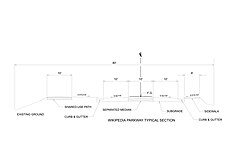
Highway engineers are responsible for the entire lifecycle of vehicular facilities, including the planning, design, construction, and operation of highways and roads. Their scope extends beyond cars to include the pedestrian and bicycle realms, ensuring a multimodal approach to urban and rural mobility.
A primary goal for these engineers is to estimate public transportation needs and secure the necessary funding for infrastructure projects. To improve system safety and capacity, they analyze locations characterized by high traffic volumes or frequent collisions. Their work is guided by three primary design controls: the drivers, the vehicles, and the roadways themselves.
Railroad Engineering
Railroad engineering focuses on the design, construction, and operation of railroads and mass transit systems that utilize a fixed guideway, such as monorails or light rail. These engineers work to revitalize rail systems to meet future demands, creating a cleaner and safer transportation network.
Key technical tasks in this field include:
- Determining the horizontal and vertical alignment of the railways.
- Selecting optimal station locations.
- Designing functional station segments, including platforms and lines.
- Estimating total construction costs.
In the United States, railway engineers often collaborate with elected officials in Washington, D.C., to ensure the national rail system meets the country's strategic needs. Some professionals in this field further specialize in train dispatching, which focuses specifically on the control of train movements.
Airport Engineering
Airport engineers design and construct aviation facilities, accounting for the unique physical demands and impacts of aircraft. A critical part of their work involves analyzing predominant wind direction to determine the correct orientation of runways.
Their responsibilities include designating clear zones across the port, determining the size of safety areas and runway borders, and establishing wing tip to wing tip clearances for gates. Civil and structural engineers within this discipline handle the design of:
- Passenger and cargo terminals.
- Aircraft hangars for government, private, and commercial use.
- Runways and other specialized pavements.
- Technical buildings for airport ground aids.
Additionally, airport engineers are responsible for developing the comprehensive master plans for the facilities they manage or consult for.
Port and Harbor Engineering
Port and harbor engineers specialize in the maritime sector. They handle the design, construction, and operation of essential water-based infrastructure, including ports, harbors, canals, and various other maritime facilities.
Key Facts
- Highway Design: Relies on three controls: drivers, vehicles, and roadways.
- Rail Systems: Includes fixed guideways like light rail and monorails.
- Aviation Planning: Runway orientation is determined by predominant wind direction.
- Multimodal Scope: Highway engineering covers not just cars, but also bicycle and pedestrian paths.
- Rail Specialization: Train dispatching is a specialized sub-field focused on movement control.
| Specialization | Primary Infrastructure | Key Focus Areas |
|---|---|---|
| Highway | Roads, Highways, Bike Paths | Traffic volume, safety, and funding |
| Railroad | Fixed Guideways, Stations | Alignment, station design, and dispatching |
| Airport | Runways, Terminals, Hangars | Wind analysis, clear zones, and master planning |
| Port & Harbor | Ports, Canals, Harbors | Maritime facility operation and construction |
Frequently Asked Questions
What are the three design controls in highway engineering?
The three design controls used to improve transportation systems are the drivers, the vehicles, and the roadways themselves.
How do airport engineers determine where to place runways?
Airport engineers use the analysis of predominant wind direction to determine the proper orientation of runways.
What is a fixed guideway in railroad engineering?
A fixed guideway is a dedicated path that restricts the movement of a vehicle to a specific route, such as those used by monorails or light rail systems.
What is the role of a train dispatcher?
Train dispatching is a specialized field within railroad engineering that focuses specifically on the control of train movements.
What facilities do airport engineers design beyond runways?
They design passenger and cargo terminals, aircraft hangars, technical buildings for ground aids, and overall airport master plans.