Toni Morrison: The Literary Legacy of a Nobel Laureate
Toni Morrison was a towering figure in global literature, renowned for her profound exploration of the Black experience and her mastery of the English language. Born Chloe Ardelia Wofford, she evolved from a dedicated editor and professor into one of the most celebrated novelists of the 20th and 21st centuries. Her work is characterized by its lyrical intensity and its unflinching examination of race, gender, and identity in America.
Throughout her career, Morrison bridged the gap between academic rigor and popular acclaim, creating narratives that challenged the prevailing social structures of her time while providing a voice to the marginalized.
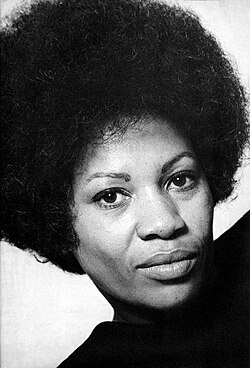
Key Facts
- Full Name: Chloe Ardelia Wofford.
- Major Awards: Nobel Prize in Literature (1993) and the Pulitzer Prize for Fiction (1988).
- Education: BA from Howard University and MA from Cornell University.
- Defining Work: Beloved, which earned her the Pulitzer Prize.
- Legacy: The first Black woman writer to win the Nobel Prize in Literature.
- Death: Passed away on August 5, 2019, at the age of 88.
Academic Foundations and Early Career
Morrison's intellectual journey began with a strong academic foundation. She earned her Bachelor of Arts from Howard University and later a Master of Arts from Cornell University. Between 1949 and 1975, she balanced her passion for writing with a successful career in editing, which allowed her to shape the landscape of American publishing before becoming a household name herself.
Her debut novel, The Bluest Eye, published in 1970, introduced the world to her unique voice and her ability to weave complex emotional truths into a narrative structure.

The Path to Global Recognition
The period between 1970 and 1986 saw the release of several critical successes, including Sula (1973) and Song of Solomon (1977). However, it was the publication of Beloved in 1987 that catapulted her to international stardom. The novel, a haunting exploration of motherhood and the trauma of slavery, won the Pulitzer Prize for Fiction in 1988.
In 1993, Morrison reached a historic milestone when she was awarded the Nobel Prize in Literature, recognizing her as a writer who in novels characterized by visionary force and poetic import, gives life to an essential aspect of American reality.
Diverse Contributions Beyond the Novel
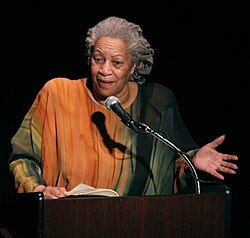
While primarily known for her literary fiction, Morrison was a versatile artist. She ventured into playwriting with works such as N'Orleans: The Storyville Musical (1982) and Desdemona (2011). She also wrote for children, collaborating with her son Slade Morrison and authoring Remember: The Journey to School Integration (2004).
Her non-fiction work, including Playing in the Dark: Whiteness and the Literary Imagination (1992), provided critical analysis of the role of race in American literature. In her later years, she served as a professor at Princeton University, where she continued to mentor new generations of writers.
Legacy and Cultural Impact
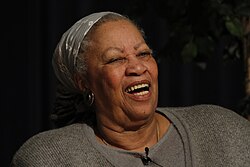
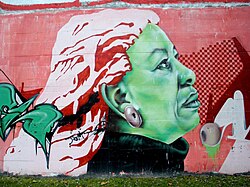
Morrison's influence extends far beyond the printed page. Her contributions to Black feminism and her refusal to write for the "white gaze"—the tendency to frame Black stories for a white audience—redefined the parameters of African-American literature. Her impact is visible globally, from street art in Vitoria, Spain, to her designation as a USPS Forever stamp in 2023.
In recognition of her lifelong achievements, she received the Presidential Medal of Freedom in 2012 and the National Humanities Medal in 2000. Ohio continues to honor her memory by celebrating "Toni Morrison Day" every February 18.
Summary of Major Works and Honors
| Category | Notable Examples / Awards |
|---|---|
| Major Novels | The Bluest Eye, Sula, Song of Solomon, Beloved, Love |
| Non-Fiction | Playing in the Dark, The Origin of Others |
| Top Honors | Nobel Prize in Literature, Pulitzer Prize, Presidential Medal of Freedom |
| Academic Ties | Howard University, Cornell University, Princeton University |

Frequently Asked Questions
What was Toni Morrison's first novel?
Toni Morrison's first novel was The Bluest Eye, published in 1970.
Which book won her the Pulitzer Prize?
She won the Pulitzer Prize for Fiction in 1988 for her novel Beloved.
Was Toni Morrison the first Black woman to win the Nobel Prize in Literature?
Yes, she was the first Black woman writer to receive the Nobel Prize in Literature, which she was awarded in 1993.
Did she write anything other than novels?
Yes, Morrison was a prolific writer of non-fiction, children's books, plays, and poetry. She also worked as an editor and a professor.
Where are her professional papers currently held?
Her papers, including early drafts and letters, are held at Princeton University.