The Sea Wall: A Critical Battleground in British Politics
In the complex landscape of British electoral geography, certain regions emerge as pivotal indicators of national political shifts. One such region is the sea wall, a collection of 108 constituencies stretching along the coastlines of England and Wales. These areas are frequently categorized as marginal seats, meaning the margin of victory is small enough that they could realistically be won by opposing parties in a given election.
The sea wall is a unique political entity that overlaps with both the "Red Wall" (traditionally Labour-leaning industrial heartlands) and the "Blue Wall" (traditionally Conservative-leaning affluent areas). Because of this overlap and the volatility of the voters within these districts, the sea wall is often viewed as a bellwether for the national mood.
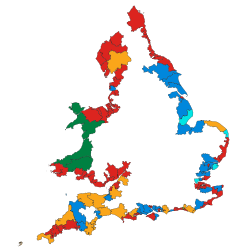
Key Facts
- Composition: Consists of 108 coastal constituencies across England and Wales.
- Political Status: Generally classified as marginal seats.
- Pre-2024 Status: Most seats were held by the Conservatives, with Labour holding 24 seats between 2019 and July 2024.
- Economic Profile: Characterized by higher levels of deprivation relative to the national average.
- Key Challenges: Tourism-dependent economies, lower average wages, and poor connectivity.
Socio-Economic Drivers of the Sea Wall
The political volatility of the sea wall is deeply rooted in the socio-economic challenges facing coastal communities. These regions often struggle with systemic issues that differ from inland urban centers. A primary driver is the reliance on tourism-based economies, which can lead to seasonal employment and income instability.
Residents in these coastal constituencies typically earn lower wages on average compared to the national average. This economic pressure is further exacerbated by the cost of living crisis and a lack of affordable housing, making these areas particularly sensitive to economic policy changes.
Furthermore, poor connectivity—referring to inadequate transport links and digital infrastructure—often isolates these communities, contributing to a sense of neglect. This sentiment was highlighted by the think tank Onward, which described coastal areas as "the forgotten battleground that could decide" the 2024 election.
The 2024 Electoral Landscape
Leading up to the July 2024 general election, the sea wall was a focal point for strategists. While the Conservative Party held the majority of these seats following the 2019 election, opinion polls suggested many were vulnerable to gains by the Labour Party.
| Metric | Detail |
|---|---|
| Total Constituencies | 108 |
| Geographic Scope | Coastlines of England and Wales |
| Labour Seats (2019-2024) | 24 |
| Primary Economic Base | Tourism |
| Political Classification | Marginal |
Frequently Asked Questions
What is the "sea wall" in British politics?
The sea wall refers to the 108 coastal constituencies in England and Wales that are generally considered marginal seats, making them highly competitive during general elections.
How does the sea wall differ from the Red and Blue walls?
While the Red Wall and Blue Wall refer to specific ideological strongholds, the sea wall is a geographic designation that overlaps both, encompassing a variety of political leanings along the coast.
What are the main economic challenges in these coastal areas?
Coastal constituencies often face higher deprivation than the national average, characterized by lower wages, a heavy reliance on tourism, poor connectivity, and a shortage of affordable housing.
Which party held the most sea wall seats before the 2024 election?
The Conservative Party held the majority of these seats, although the Labour Party held 24 of them between the 2019 general election and July 2024.
Why is the sea wall considered a "forgotten battleground"?
The term, used by the think tank Onward, reflects the perception that coastal regions are often overlooked by policymakers despite their potential to decide the outcome of a national election.