Sir Austen Chamberlain: The Statesman of Honor and Diplomacy
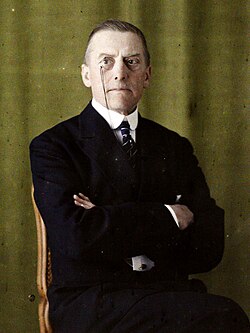
Sir Austen Chamberlain was a towering figure in British politics during the late 19th and early 20th centuries. A man of profound principle and diplomatic skill, he navigated the complexities of the British Empire and the fragile peace of post-World War I Europe. While often viewed through the lens of his famous father, Joseph Chamberlain, and his younger half-brother, Prime Minister Neville Chamberlain, Austen carved out a legacy defined by public service and a commitment to international stability.
Throughout a parliamentary career spanning 45 years, he held some of the highest offices in the British government, including twice serving as Chancellor of the Exchequer and acting as Foreign Secretary. His crowning achievement, the negotiation of the Locarno Treaties, earned him the Nobel Peace Prize, marking him as one of the era's most significant peacemakers.
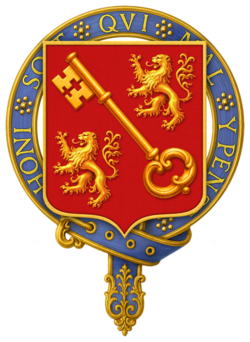
Key Facts
- Nobel Peace Prize Winner: Awarded for his role in negotiating the Locarno Treaties of 1925.
- Extensive Cabinet Experience: Served as Chancellor of the Exchequer (twice), Foreign Secretary, and First Lord of the Admiralty.
- Parliamentary Tenure: Member of Parliament (MP) for 45 years, representing East Worcestershire and Birmingham West.
- Political Lineage: Son of Joseph Chamberlain and older half-brother to Prime Minister Neville Chamberlain.
- Principled Resignation: Resigned as Secretary of State for India in 1917 to take responsibility for the failed Kut Campaign.
Early Life and Education
Born in Birmingham on October 16, 1863, Joseph Austen Chamberlain was the eldest son of Joseph Chamberlain, a prominent industrialist and political radical. His early life was marked by tragedy; his mother, Harriet Kenrick, died during his birth, a loss that caused his father to remain emotionally distant from him for nearly 25 years.
To foster his independence, Austen was educated at Rugby School before attending Trinity College, Cambridge. During his university years, he developed a lifelong interest in Imperial Federation and became an active member of the Cambridge Union, where he first honed his political voice.
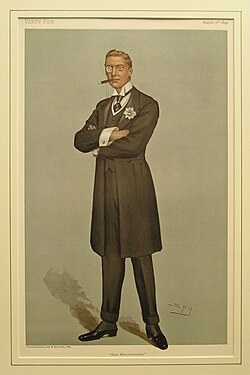
Rise Through the Political Ranks
Chamberlain entered Parliament in 1892 as a Liberal Unionist—a faction of Liberals who opposed Irish Home Rule—representing East Worcestershire. Initially acting as his father's political surrogate, he quickly ascended the ranks of the Unionist coalition governments.
Early Ministerial Roles
His early career saw him hold several key positions, including Civil Lord of the Admiralty and Financial Secretary to the Treasury. By 1902, he was appointed Postmaster General, a cabinet-level position. In 1903, he became Chancellor of the Exchequer, a role that served as a compromise during a period of intense friction between his father and Prime Minister Arthur Balfour over Tariff Reform (the proposal to implement protective taxes on imports).
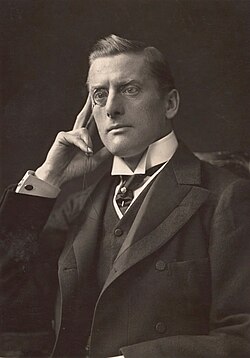
Wartime Service and Leadership
During World War I, Chamberlain served as Secretary of State for India under H. H. Asquith. However, he resigned in July 1917, taking personal responsibility for the disastrous Kut Campaign in Mesopotamia. This act of accountability earned him widespread respect across the political spectrum.
He returned to the Treasury as Chancellor of the Exchequer in 1919 under David Lloyd George. By 1921, he had risen to become the leader of the Conservative Party in the House of Commons. However, he resigned this leadership in 1922 following the Carlton Club meeting, where Conservative MPs voted to end the coalition with Lloyd George.
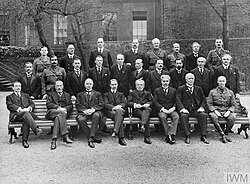
The Foreign Secretary and the Nobel Peace Prize
Chamberlain's most enduring contribution to history came during his tenure as Foreign Secretary from 1924 to 1929 under Stanley Baldwin. During this period, he focused on stabilizing the volatile relationship between France and Germany.
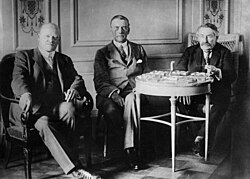
In 1925, he negotiated the Locarno Treaties, a series of agreements intended to secure the post-war territorial boundaries in Europe and prevent future conflict. This diplomatic breakthrough was recognized globally, and Chamberlain was awarded the Nobel Peace Prize for his efforts in fostering European peace.
Final Years and Legacy
Chamberlain's final government post was as First Lord of the Admiralty in 1931, though he resigned shortly after due to the Invergordon Mutiny. In his final years as a backbench MP, he became a vocal supporter of Winston Churchill's calls for rearmament to counter the rising threat of Nazi Germany.
He passed away on March 16, 1937, at the age of 73. While historians often note that he was overshadowed by his father and brother, he is remembered as a man of honor and a dedicated public servant who narrowly missed the premiership but achieved international greatness through diplomacy.
Summary of Political Career
| Office | Period | Prime Minister |
|---|---|---|
| Postmaster General | 1902–1903 | Arthur Balfour |
| Chancellor of the Exchequer | 1903–1905 | Arthur Balfour |
| Secretary of State for India | 1915–1917 | H. H. Asquith / David Lloyd George |
| Chancellor of the Exchequer | 1919–1921 | David Lloyd George |
| Lord Privy Seal | 1921–1922 | David Lloyd George |
| Foreign Secretary | 1924–1929 | Stanley Baldwin |
| First Lord of the Admiralty | 1931 | Ramsay MacDonald |
Frequently Asked Questions
Why did Sir Austen Chamberlain win the Nobel Peace Prize?
He was awarded the prize for his pivotal role in negotiating the Locarno Treaties of 1925, which aimed to prevent war between France and Germany and stabilize European borders after World War I.
Did Sir Austen Chamberlain ever become Prime Minister?
No. Despite leading the Conservative Party in the Commons and serving in multiple high-ranking cabinet roles, he never became Prime Minister, making him one of the few Conservative leaders not to hold the office.
Why did he resign as Secretary of State for India?
He resigned in 1917 to take political responsibility for the failure of the Kut Campaign during World War I, an act widely regarded as a demonstration of his high personal and professional integrity.
How was he related to Neville Chamberlain?
Sir Austen Chamberlain was the older half-brother of Neville Chamberlain, who later served as Prime Minister of the United Kingdom.
What was his stance on German rearmament in the 1930s?
In his later years as a backbench MP, Austen Chamberlain supported Winston Churchill's warnings about the German threat and advocated for British rearmament.