The Holocaust: History, Mechanisms, and Legacy of the Jewish Genocide
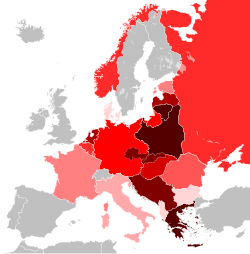
The Holocaust, also known as the Shoah (Hebrew for "Catastrophe"), was the systematic, state-sponsored persecution and murder of approximately 6 million Jews by the Nazi regime and its collaborators between 1941 and 1945. This genocide was a central component of World War II, characterized by a progression from social exclusion and ethnic cleansing to industrial-scale mass murder.
The atrocities were carried out primarily in German-occupied Poland and the Soviet Union, orchestrated by Nazi Germany with the assistance of various allies and collaborators. The machinery of death involved several branches of the state, including the Schutzstaffel (SS), the Einsatzgruppen (mobile killing squads), and the Wehrmacht (the regular German army).
Key Facts
- Death Toll: Approximately 6 million Jews were murdered; scholarly estimates range between 5.7 million and 6.2 million.
- Primary Locations: Europe, with the highest concentrations of killing in occupied Poland and the Soviet Union.
- Methods of Killing: Mass shootings, poison gas, starvation, death marches, and forced labor.
- Major Perpetrators: Nazi Germany, the SS, Einsatzgruppen, and the Wehrmacht.
- Timeline: While persecution began earlier, the peak of the genocide occurred from 1941 to 1945.
The Path to Genocide
Rise of Nazi Germany and Early Persecution
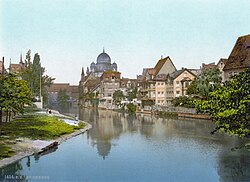
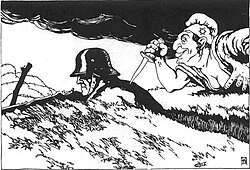
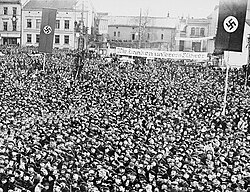
The genocide did not begin overnight. It was preceded by a period of escalating persecution and the rise of Nazi ideology, which utilized propaganda to dehumanize Jewish populations. This era saw the destruction of cultural and religious sites, such as the Grand Synagogue of Nuremberg in 1938 during the November pogroms.
Territorial Expansion and Ghettoization
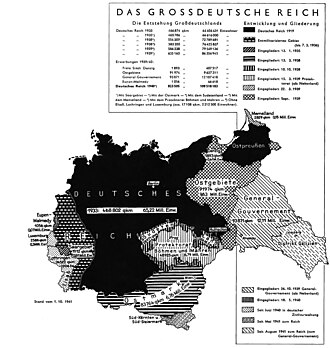
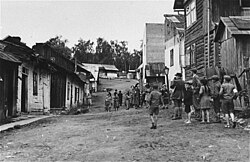
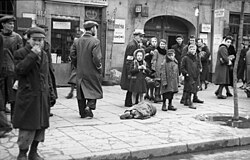
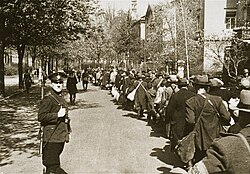
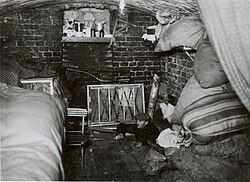
As Germany expanded its borders from 1933 to 1941, the Nazi regime implemented policies of ghettoization—the forced relocation of Jews into enclosed, often overcrowded districts. These ghettos served as temporary holding centers where thousands died from starvation and disease before being deported to killing centers.
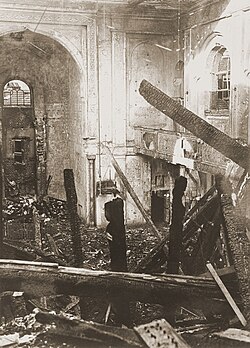
The destruction of Jewish communities was often violent and public. Events like Kristallnacht (the Night of Broken Glass) saw the widespread destruction of synagogues and businesses, signaling a shift toward more aggressive state violence.
Mechanisms of Mass Murder
The Invasion of the Soviet Union and Mass Shootings
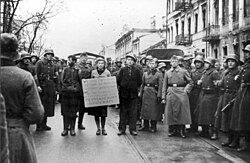
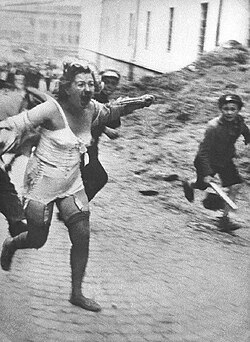
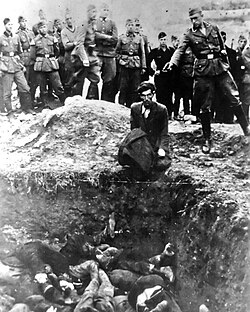
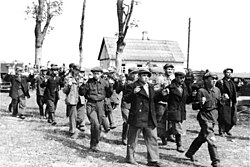
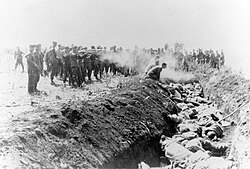
The invasion of the Soviet Union in 1941 marked a turning point. The Einsatzgruppen conducted mass shootings across Eastern Europe. In Lviv, for example, at least 3,000 Jews were killed during 1941 pogroms, largely by local collaborators. To reduce the psychological burden on the killers, shooting from behind became a common practice.
Extermination Camps and Industrialized Killing
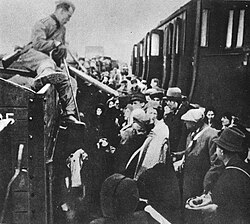
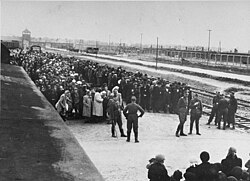
To increase the efficiency of the genocide, the Nazis established extermination camps. These facilities utilized various technologies, from gas vans to stationary gas chambers using engine exhaust or hydrogen cyanide (Zyklon B).
| Camp | Location | Estimated Jews Killed | Killing Technology | Mass Gassing Period |
|---|---|---|---|---|
| Chełmno | Wartheland | 150,000 | Gas vans | Dec 1941 – July 1944 |
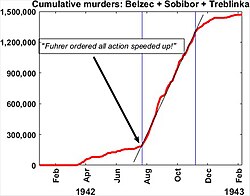
| Belzec | Lublin District | 440,823–596,200 | Stationary gas chamber (exhaust) | Mar 1942 – Dec 1942 |
| Sobibor | Lublin District | 170,618–238,900 | Stationary gas chamber (exhaust) | May 1942 – Oct 1943 |
| Treblinka | Warsaw District | 780,863–951,800 | Stationary gas chamber (exhaust) | July 1942 – Oct 1943 |
| Auschwitz II–Birkenau | East Upper Silesia | 900,000–1,000,000 | Stationary gas chamber (cyanide) | Feb 1942 – Oct 1944 |
Resistance and Forced Labor
Jewish Resistance
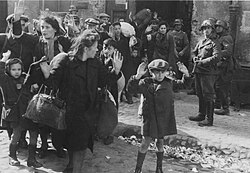
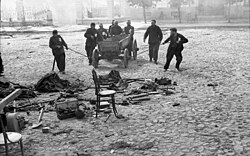
Despite the overwhelming power of the Nazi state, Jews engaged in resistance movements across Europe. The Warsaw Ghetto uprising became a powerful symbol of this defiance. In the forests of Belarus and the Soviet Union, an estimated 20,000 to 25,000 Jews joined Soviet partisans, while others, such as the Bielski partisans, established family camps to protect non-combatants.
Forced Labor and Concentration Camps
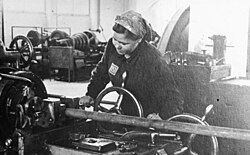
Many survivors were funneled into a system of forced labor. By mid-1943, Heinrich Himmler sought to bring these laborers under the direct control of the SS. While concentration camps are the most enduring symbol of the Holocaust, many victims were murdered in ghettos or mass shooting sites without ever entering a camp. Approximately 200,000 Jews survived the war within the concentration camp system.
The Final Stages and Aftermath
Operation Harvest Festival and Death Marches
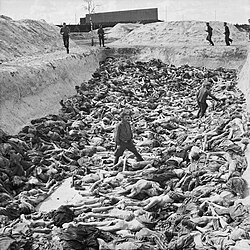
Toward the end of the war, the Nazis continued mass killings. Operation Harvest Festival (November 3–4, 1943) resulted in the murder of approximately 43,000 Jews, including 18,400 killed in a single day at Majdanek. As Allied forces closed in, the Nazis forced prisoners on death marches, leading to thousands more deaths from exhaustion and execution.
Liberation and Justice
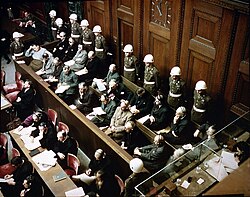
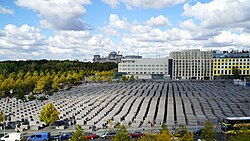
Following the liberation of the camps in 1945, the world confronted the scale of the atrocity. The International Military Tribunal was established to prosecute the primary leaders of the Nazi regime. In the following years, efforts were made toward reparations and the establishment of memorials to ensure the genocide would not be forgotten.
Frequently Asked Questions
How many people died in the Holocaust?
Approximately 6 million Jews were murdered. Scholarly estimates generally place the figure between 5.7 million and 6.2 million. Additionally, more than 10 million other non-combatants were killed by the Nazis.
What was the difference between a concentration camp and an extermination camp?
Concentration camps were primarily used for imprisonment, forced labor, and torture. Extermination camps, such as Treblinka and Belzec, were designed specifically as "death factories" for the industrial-scale murder of people, primarily through mass gassing.
Did Jews resist the Nazi regime?
Yes. Resistance took many forms, including the Warsaw Ghetto uprising and the formation of partisan groups in the forests of Eastern Europe, such as the Bielski partisans.
What were the Einsatzgruppen?
The Einsatzgruppen were mobile killing squads of the SS that followed the Wehrmacht into Soviet territory to carry out mass shootings of Jews, Romani people, and Soviet political commissars.
What was Operation Harvest Festival?
Operation Harvest Festival was one of the largest single massacres of Jews by German forces, occurring in November 1943, resulting in the deaths of approximately 43,000 people.