The 2nd Century BC: A Global Era of Imperial Expansion and Cultural Shift
The 2nd century BC, spanning from the first day of 200 BC to the last day of 101 BC, represents a pivotal juncture in human history. Positioned within the Classical era and marking the conclusion of the Axial Age—a period of profound intellectual and spiritual transformation—this century saw the rise of dominant superpowers and the fragmentation of old empires. In the Eastern Mediterranean, it served as the mid-point of the Hellenistic period, the era following Alexander the Great's conquests where Greek culture blended with Near Eastern traditions.
From the disciplined legions of the Roman Republic to the expansive courts of the Han Dynasty in China, the world was characterized by a shift toward professionalized warfare, centralized administration, and unprecedented diplomatic exploration.
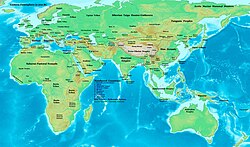
Key Facts

- Roman Dominance: Rome expanded across the western Mediterranean, destroying Carthage and establishing control over Greece and Macedonia.
- Chinese Consolidation: The Han Dynasty expanded its power, notably under Emperor Wu, and established early contact with the West.
- Hellenistic Decline: The Seleucid Empire collapsed into civil war and lost territory to the rising Parthian Empire.
- Technological Leaps: This era saw the invention of paper in China and the first use of Roman concrete (pozzolana).
- Military Evolution: The Roman army transitioned from a citizen-based militia to a professional voluntary force.
The Rise of the Roman Republic
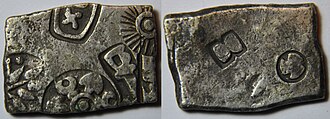
Following its victories in the Second Punic War, the Roman Republic aggressively expanded its footprint. Throughout the century, Rome campaigned in the Iberian Peninsula and eventually annexed the North African coast after the total destruction of Carthage at the end of the Third Punic War.
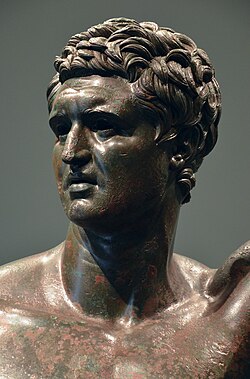
Rome's influence extended eastward into the Aegean, where it dismantled Antigonid Macedonia during the Macedonian Wars and razed Corinth during the Achaean War. Other Hellenistic powers, such as Ptolemaic Egypt and Attalid Pergamon, were forced into subordinate roles, with Pergamon eventually being annexed by Rome in 133 BC.
The Professionalization of the Legions
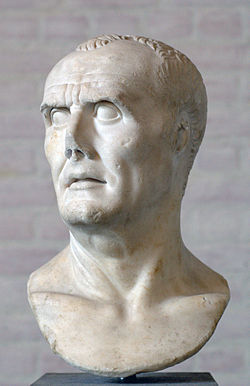
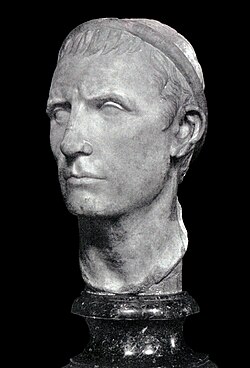
A critical internal shift occurred toward the end of the century: the Roman army evolved from a citizen army into a voluntary professional force. While later scholars attributed this to the "Marian Reforms" of the general Gaius Marius, modern analysis suggests a more gradual evolution.
Power Shifts in the Near East and Asia
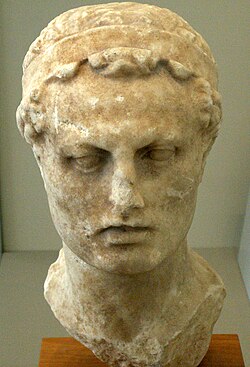
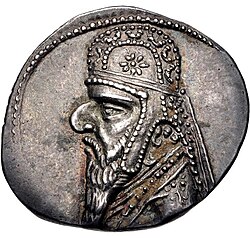
While Rome rose, the Seleucid Empire—once a massive Hellenistic power—spiraled into civil war. It lost Asia Minor to the Romans and saw its Iranian plateau and Mesopotamian territories seized by the Parthian Empire. Amidst this chaos, smaller independent states emerged, most notably the Hasmonean kingdom in Judaea, which restored the Temple in Jerusalem in 164 BC.
The Han Dynasty and the Far East
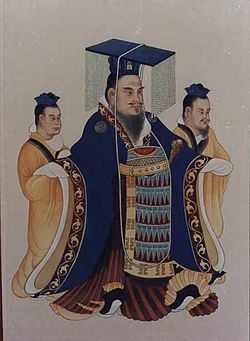
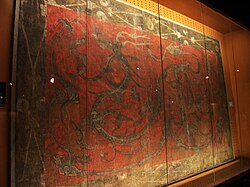
In China, the Han Dynasty navigated internal power struggles and external threats. After the regency of Empress Lü, the dynasty reached its zenith under Emperor Wu, who consolidated imperial power and launched campaigns against the Xiongnu. This period also saw the diplomat Zhang Qian travel west, opening the door for future trade and diplomacy.
In the Philippines, indigenous peoples began increasing contact with Southeast and East Asia, leading to the formation of barangay states—complex sociopolitical units that functioned as fragmented city-states.
Intellectual and Scientific Achievements
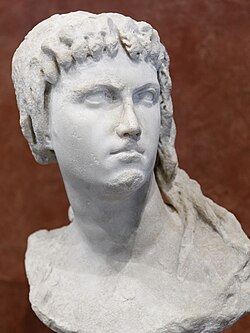
The 2nd century BC was a golden age for polymaths and scientists. In Greece, Hipparchus made groundbreaking strides in astronomy, while Posidonius was celebrated as the greatest polymath of his age. In India, the mathematician Pingala discovered binary numbers, using the concepts of laghu (light) and guru (heavy).
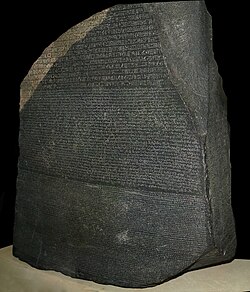
One of the most enduring legacies of this century is the Rosetta Stone, created in 196 BC. This trilingual decree recorded the coronation of Ptolemy V and later provided the essential key for modern scholars to decipher Egyptian hieroglyphics.
Summary of Major Regional Developments
| Region | Key Power/Dynasty | Major Outcome | Significant Figure |
|---|---|---|---|
| Western Mediterranean | Roman Republic | Destruction of Carthage; Hegemony in Europe | Scipio Aemilianus |
| East Asia | Han Dynasty | Imperial expansion; Invention of paper | Emperor Wu |
| Near East | Parthian Empire | Rise of Parthia; Decline of Seleucids | Mithridates I |
| Egypt | Ptolemaic Kingdom | Subordination to Rome; Cultural synthesis | Ptolemy V |
Frequently Asked Questions
What was the significance of the Rosetta Stone?
Created in 196 BC, the Rosetta Stone featured a decree written in Greek, Egyptian hieroglyphics, and Demotic script. Because it contained the same text in three languages, it became the primary tool for deciphering ancient Egyptian hieroglyphics nearly 2,000 years later.
How did the Roman army change during this century?
The army shifted from a citizen-based militia, where soldiers were property-owning citizens, to a professional voluntary force. This transition allowed for a more permanent and experienced military presence across the empire.
Who was Emperor Wu of Han?
Emperor Wu was the seventh emperor of the Han Dynasty. He is regarded as one of the most powerful men of his time, known for expanding China's borders, reforming the government, and initiating the Han–Xiongnu War.
What were the 'barangay states' in the Philippines?
Barangay states were fragmented, city-state-like polities formed by indigenous peoples in the Philippines. They emerged as a result of increased contact with other Southeast and East Asian nations around 200 BC.
What scientific discoveries occurred in India during this time?
Notable achievements include the discovery of binary numbers by Pingala and the development of tube-drawn technology for the manufacturing of glass beads.