Taxonomy: The Science of Naming and Classifying Life
In the vast complexity of the natural world, how do scientists make sense of millions of different organisms? The answer lies in taxonomy. Derived from the Ancient Greek words taxis (arrangement) and nomia (method), taxonomy is the scientific discipline dedicated to naming, defining, and classifying groups of biological organisms based on shared characteristics.
While early methods focused on simple physical similarities, modern taxonomy has evolved into a sophisticated field that prioritizes common ancestry and evolutionary relationships. By organizing life into a structured hierarchy, biologists can better understand the history and connections between all living things.

Key Facts
- Founder: Carl Linnaeus is considered the father of modern taxonomy.
- Binomial Nomenclature: A standardized two-part naming system for species.
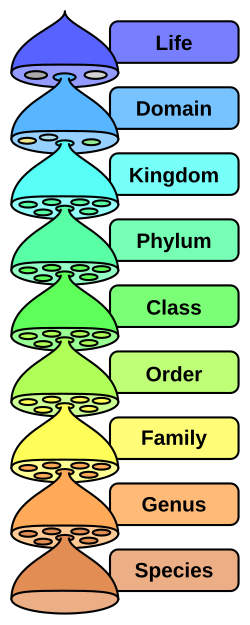
- Taxonomic Ranks: The hierarchy includes domain, kingdom, phylum, class, order, family, genus, and species.
- Modern Focus: Current classification emphasizes evolutionary history and phylogeny.
- Systematics: A broader field that includes taxonomy, description, and the investigation of evolutionary histories.
The Linnaean Revolution
Before the mid-18th century, biological naming was often chaotic and disorganized. This changed with the work of the Swedish botanist Carl Linnaeus (1707–1778). Through his seminal works, such as the 1st edition of Systema Naturae (1735) and Species Plantarum (1753), Linnaeus introduced a revolutionary ranked system.
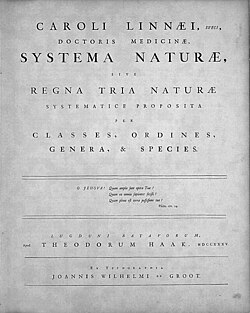
Linnaeus implemented binomial nomenclature, a system where every organism is given a unique two-part scientific name. He also established the standard hierarchy of ranks—class, order, genus, and species—which provided a consistent framework for scientists worldwide. His methods were so effective that they remain the foundation of biological classification today.
Evolutionary Shifts in Classification
The landscape of taxonomy shifted dramatically following the publication of Charles Darwin's On the Origin of Species in 1859. Darwin's theories provided a new biological rationale for classification: instead of grouping organisms merely by how they looked, scientists began grouping them by their evolutionary relationships.
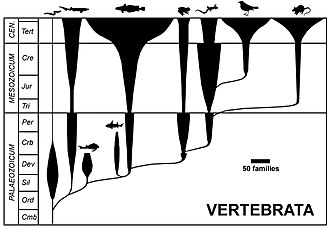
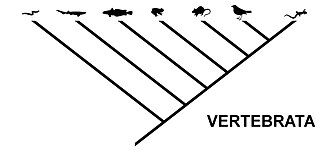
This transition led to the development of phyletic systems, where the goal is to reflect the actual lineage of organisms. Today, this is often visualized through different types of diagrams:
- Spindle Diagrams: Used in evolutionary taxonomy to show the width of lineages.
- Cladograms: Diagrams used in cladistics to show the relationships among groups of organisms with common origins.
Taxonomic Characters: How Organisms are Compared
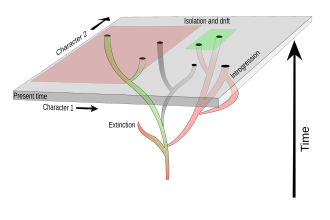
To classify an organism, taxonomists analyze a wide array of taxonomic characters. These are specific traits used to distinguish one taxon (a biological group) from another. These characters are generally categorized into several types:
Morphological and Physiological Traits
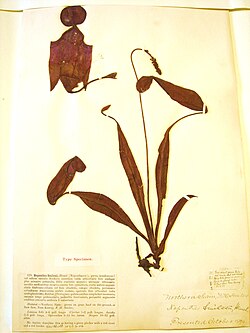
Morphology refers to the physical form and structure of an organism. This includes external morphology (what we see on the outside), internal morphology (anatomy), and embryology (developmental stages). Physiological characters involve metabolic factors, body secretions, and other functional processes.
Molecular and Behavioral Traits
With the advent of modern technology, molecular characters have become essential. Scientists now look at DNA and RNA sequences, amino acid sequences of proteins, and other genetic differences to determine how closely related two species are. Additionally, behavioral characters, such as courtship patterns, and ecological characters, such as habitat and food sources, provide vital clues for classification.
The Modern Hierarchy: Domains and Kingdoms
The taxonomic hierarchy has expanded and changed as our understanding of life has deepened. While Linnaeus originally worked with a much simpler system, modern biology uses a complex structure of domains and kingdoms to organize life.
The highest level currently recognized is the domain. While the exact number of domains and kingdoms is a subject of ongoing scientific discussion, the most widely accepted modern scheme includes domains such as Bacteria, Archaea, and Eukaryota.
| Rank | Description | Example/Context |
|---|---|---|
| Domain | The highest taxonomic rank | Eukaryota, Bacteria, Archaea |
| Kingdom | A major group within a domain | Animalia, Plantae, Fungi |
| Phylum | A group of related phyla | Chordata (in animals) |
| Class | A level below phylum | Mammalia |
| Order | A level below class | Primates |
| Family | A group of related genera | Hominidae |
| Genus | A group of closely related species | Homo |
| Species | The most specific level | Homo sapiens |
Frequently Asked Questions
What is the difference between taxonomy and systematics?
Taxonomy is the specific science of naming and classifying organisms. Systematics (or systematic biology) is a broader field that includes taxonomy but also investigates the evolutionary histories and distributions of organisms.
What is binomial nomenclature?
It is the formal system of naming species using two parts: a genus name and a specific species epithet (e.g., Homo sapiens). This system was popularized by Carl Linnaeus to provide a universal language for scientists.
What are taxonomic ranks?
Taxonomic ranks are the hierarchical levels used to group organisms. As you move from domain down to species, the groups become increasingly specific and inclusive of fewer organisms.
How has DNA changed biological classification?
DNA analysis allows scientists to look at molecular characters, providing a much more accurate way to determine evolutionary relationships than physical appearance alone. This has led to the discovery of new domains and the reorganization of many existing kingdoms.
What is a taxon?
A taxon (plural: taxa) is a specific group of organisms at any level of the biological hierarchy, such as a particular species, family, or class.