Tango: The History, Styles, and Global Evolution of a Cultural Icon
Born from the vibrant cultural melting pot of the Río de la Plata region—spanning Argentina and Uruguay—Tango is more than just a dance; it is a profound expression of passion, longing, and social history. Recognized by UNESCO as part of the Intangible Cultural Heritage of Humanity in 2009, Tango has evolved from a controversial street dance into a sophisticated global phenomenon.
From the cobblestone streets of Buenos Aires to the grand ballrooms of Europe and the unique folk traditions of Finland, Tango continues to adapt, blending traditional roots with modern electronic influences to captivate new generations of dancers.
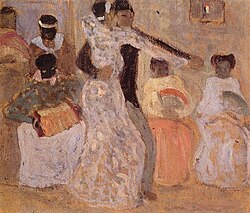
Key Facts
- Origin: The Río de la Plata region (Argentina and Uruguay).
- UNESCO Status: Inscribed as Intangible Cultural Heritage in 2009.
- Global Reach: Significant national variations exist in Finland, Colombia, and Brazil.
- Modern Evolution: Tango Nuevo fuses traditional rhythms with electronic music (electrotango).
- Cultural Impact: Influenced everything from cinema to sports, including the design of the 1978 FIFA World Cup ball.
The History and Global Spread of Tango
The European Craze and Early Controversies
In the early 20th century, orchestras and dancers from Buenos Aires traveled to Europe, sparking a massive craze in Paris, London, and Berlin. However, the dance was not without controversy; its perceived sexual overtones led to some dance teachers being banished from Paris by the end of 1913. By 1914, more authentic stylings emerged, alongside variations like Albert Newman's "Minuet" tango.

Arrival in North America
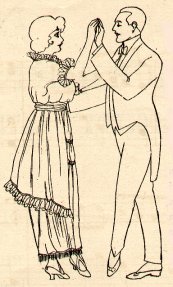
Tango reached New York City and Finland around 1913. In the United States, the term "tango" was initially applied broadly to dances with a 4/4 rhythm, such as the one-step. This led to a distinction between the "North American tango," which often featured a faster tempo, and the more traditional "Argentine tango."
Political Shifts and Resurgence in Argentina
The popularity of Tango in its homeland fluctuated with political tides. The Great Depression of 1929 and the political instability following the overthrow of Hipólito Yrigoyen in 1930 caused a temporary decline. However, the dance saw a resurgence under the first Perón government in the 1930s, becoming a symbol of national pride. In the 1950s, figures like Mariano Mores helped revitalize the genre, though works like Taquito Militar (1952) sparked debates over the divide between "popular" and "cultured" music.
Diverse Styles of Tango
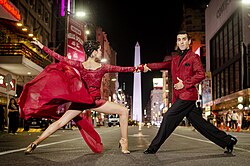
Tango is not a monolithic dance but a collection of diverse styles. While Tango Argentino remains the foundation, various interpretations have emerged based on social setting and musical influence.
Traditional and Social Styles
- Tango Salon: A sophisticated style designed for social dance halls.
- Tango Milonguero: Also known as tango apilado, focusing on a close embrace.
- Tango Canyengue: A more rhythmic, street-influenced style.
- Tango Fantasia: A choreographed, theatrical version often seen on stage.
Modern and International Variations
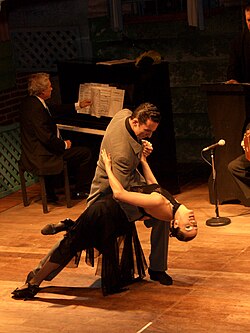
Tango Nuevo (New Tango) represents a modern fusion of traditional music and electronica, known as electrotango. This movement was propelled by artists like Gotan Project, Bajofondo Tango Club, and Tanghetto, attracting a younger demographic to the dance.
Ballroom Tango, meanwhile, was simplified for international competitions. Divided into "International" and "American" styles, it was codified in 1922 to be danced to modern tunes, typically at 120 beats per minute.
Tango Around the World
Finland: A Unique Tradition
Finland developed a distinct version of Tango in the 1930s. Unlike the Argentine version, Finnish Tango is performed almost exclusively in minor keys and incorporates themes from Finnish folklore. The city of Seinäjoki is considered a global hub for the genre, hosting the annual Tangomarkkinat festival since 1985.

Colombia and Chile
In Colombia, Medellín became a major center for Tango in the early 20th century. The city's connection to the genre was cemented by the tragic death of legendary singer Carlos Gardel in a 1935 aviation accident in Medellín. In Chile, the genre was influenced by figures such as bandoneon player Gabriel Clausi, who settled in Viña del Mar.
Summary of Tango Variations
| Style | Primary Characteristic | Key Region/Influence |
|---|---|---|
| Tango Argentino | Traditional foundation, improvisational | Argentina / Uruguay |
| Tango Nuevo | Fusion with electronic music | Global / Modern |
| Ballroom Tango | Simplified, codified for competition | International / North America |
| Finnish Tango | Minor keys, folklore themes | Finland |
| Tango Salon | Elegant, social dance hall style | Buenos Aires |
Tango's Cultural Legacy
Tango's influence extends far beyond the dance floor. In sports, Adidas named its 1978 FIFA World Cup ball "Tango" as a tribute to Argentina. In cinema, the dance has been the centerpiece of numerous films, from the 1933 ¡Tango! to the Oscar-winning animated short Tango (1981) by Zbigniew Rybczynski.
Frequently Asked Questions
Where did Tango originate?
Tango originated in the Río de la Plata region, which encompasses the border areas of Argentina and Uruguay.
What is the difference between Argentine Tango and Ballroom Tango?
Argentine Tango is more improvisational and rooted in social connection, while Ballroom Tango is a simplified, codified version designed for international dance competitions with specific timing and steps.
What is Tango Nuevo?
Tango Nuevo is a modern evolution of the dance that fuses traditional tango music with electronic elements, often referred to as electrotango.
Why is Finnish Tango different from other styles?
Finnish Tango is characterized by its use of minor keys and lyrics that reflect Finnish folklore and cultural conventions, differing from the rhythmic and thematic structures of Latin American tango.
Who was Carlos Gardel?
Carlos Gardel was one of the most famous tango singers in history; his legacy is particularly strong in Argentina and Colombia, where he died in a plane crash in 1935.
![Tango rhythm.[35]](/images/6e/54/6e54a96242709d150635743d273d235fcdbc918f28eb6c88fda1f229718f92c8.png)