Systema Naturae 10th Edition: The Foundation of Zoological Nomenclature
In the mid-18th century, the natural world was a chaotic collection of descriptions. Biological catalogues relied on polynomial names—long, descriptive Latin phrases that were cumbersome and inconsistent. This changed with the publication of the 10th edition of Systema Naturae (Latin for A General System of Nature), written by the Swedish naturalist Carl Linnaeus.
Published in two volumes between 1758 and 1759, this landmark work introduced binomial nomenclature (the two-part naming system of genus and species) for animals. While Linnaeus had already applied this system to plants in his 1753 work Species Plantarum, the 10th edition of Systema Naturae extended this logic to the entire animal kingdom, forever changing how scientists categorize life on Earth.
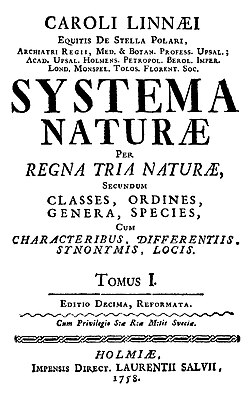

Key Facts
- Official Start Date: January 1, 1758, is the recognized starting point for zoological nomenclature.
- Naming Innovation: Transitioned from complex polynomial descriptions to a consistent two-word binomial system.
- Scope: Covered the kingdoms of animals and plants across two volumes.
- Priority: Only Carl Alexander Clerck's 1757 work on spiders takes priority over this edition.
- Evolution of Thought: Whales and manatees, originally classified as fish in the 1st edition, were moved to the mammal class by the 10th.
The Starting Point of Modern Zoology
The International Commission on Zoological Nomenclature designated January 1, 1758, as the official "starting point" for animal naming. This means that any names published before this date are considered unavailable, regardless of whether they follow the rules. The only exception is Carl Alexander Clerck's Svenska Spindlar (or Aranei Suecici), published in 1757, which is treated as if it were published on the same start date as Linnaeus's work.
The Animal Kingdom: Classification and Logic
Linnaeus defined animals as living organizations capable of sensation, perception via nerves, and voluntary motion, all originating from an egg. To organize them, he studied internal anatomy, specifically the heart structure and blood type.
The Six Original Classes
Linnaeus divided animals into six primary classes based on physiological traits:
- Mammalia: Warm, red blood; heart with two auricles and two ventricles; viviparous (give birth to live young).
- Aves: Warm, red blood; heart with two auricles and two ventricles; oviparous (lay eggs).
- Amphibia: Cold, red blood; heart with one auricle and one ventricle; voluntary lungs.
- Pisces: Cold, red blood; heart with one auricle and one ventricle; external gills.
- Insecta: Cold, pus-like blood; heart with one auricle and no ventricles; possess antennae.
- Vermes: Cold, pus-like blood; heart with one auricle and no ventricles; possess tentacles.
By modern standards, some of these groupings are considered informal. For instance, the class Insecta originally included arachnids and crustaceans, while Amphibia included sharks and lampreys.
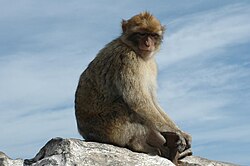
Detailed Breakdown of Animal Orders
MammaliaDefined as animals that suckle young via lactiferous teats, Linnaeus divided mammals by their teeth into orders such as Primates (including humans and bats), Ferae (dogs, cats, bears), Glires (rhinos, rabbits, mice), Belluae (horses, hippos), and Cete (whales and dolphins).
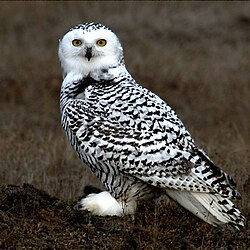
AvesBirds were categorized by their bills and feet into six orders, including Accipitres (owls, eagles), Anseres (ducks, penguins), Grallae (ostriches, herons), Gallinae (chickens, turkeys), and Passeres (finches, swallows).
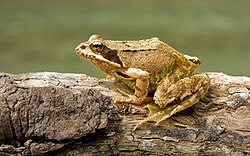
This group included what we now call reptiles and amphibians. Linnaeus divided them into Reptiles (turtles, frogs), Serpentes (snakes), and Nantes (sharks, rays, sturgeons).
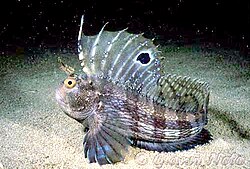
Fish were classified by the position of their pectoral and ventral fins into two main orders: Jugulares (cod) and Thoracici (perch, mackerel, flatfishes).
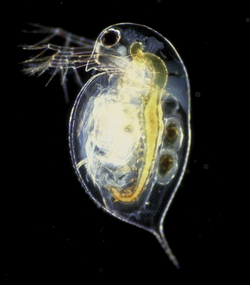
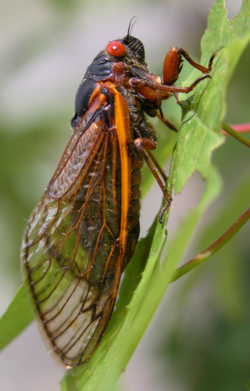
This broad class encompassed all arthropods. It was divided by wing form into Coleoptera (beetles), Hemiptera (cicadas, aphids), Lepidoptera (butterflies, moths), Diptera (flies, mosquitoes), and Aptera (wingless creatures like spiders, crabs, and centipedes).
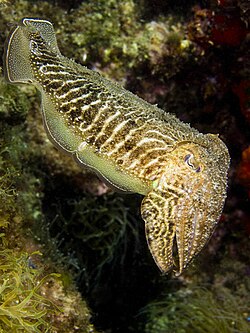
Described as soft-bodied animals of slow motion, this class included Intestina (earthworms, leeches), Mollusca (octopuses, starfishes), Testacea (clams, snails), Lithophyta (stone corals), and Zoophyta (sea fans, tapeworms).
The Plant Kingdom
The second volume, published in 1759, detailed the kingdom Plantae. This included not only true plants but also fungi, algae, and lichens. Linnaeus incorporated species from his 1753 Species Plantarum and added several hundred new species provided by global correspondents from South Africa, America, the Alps, and the Orient.
| Class | Key Physiological Trait | Example Genera/Groups |
|---|---|---|
| Mammalia | Warm blood, Viviparous | Homo, Canis, Equus |
| Aves | Warm blood, Oviparous | Falco, Columba, Struthio |
| Amphibia | Cold blood, Voluntary lungs | Rana, Boa, Squalus |
| Pisces | Cold blood, External gills | Gadus, Perca, Scomber |
| Insecta | Pus-like blood, Antennae | Papilio, Aranea, Cancer |
| Vermes | Pus-like blood, Tentacles | Lumbricus, Sepia, Helix |
Frequently Asked Questions
Why is 1758 considered the starting point for zoological naming?
The International Commission on Zoological Nomenclature chose January 1, 1758, because the 10th edition of Systema Naturae was the first work to consistently apply binomial nomenclature across the animal kingdom.
What is binomial nomenclature?
It is a formal system of naming species using two parts: the genus name (capitalized) and the specific epithet (lowercase), replacing the longer polynomial descriptions used previously.
How did Linnaeus's classification of whales change over time?
In the 1st edition of Systema Naturae (1735), whales and manatees were classified as fish. By the 10th edition, they were correctly moved into the mammal class.
Which animals were included in the 'Insecta' class in the 10th edition?
Linnaeus's Insecta class was much broader than the modern definition; it included all arthropods, such as insects, arachnids (spiders, scorpions), and crustaceans (crabs, lobsters).
Did the 10th edition include plants?
Yes, the second volume published in 1759 detailed the kingdom Plantae, which included true plants, fungi, algae, and lichens.