Syrian Cuisine: A Journey Through Traditional Flavors and Dishes
Syrian cuisine is a rich tapestry of flavors, blending fresh garden vegetables, aromatic spices, and hearty meats. From the bustling street markets of Damascus to the culinary heritage of Aleppo, the food of Syria is characterized by its diversity and the sophisticated use of ingredients like olive oil, pomegranate molasses, and tahini.
At the heart of the Syrian dining experience is the concept of sharing, where a variety of small plates and elaborate main courses come together to create a communal feast.
Key Facts
- Meze consists of a wide array of small appetizers, including dips like hummus and baba ghanoush.
- Kibbeh is a national staple made from a mixture of bulghur, minced lamb, and spices.
- Kebab Halabi refers to Aleppine kebabs, which feature diverse variations including cherry and truffle versions.
- Mahshi describes the tradition of stuffing vegetables, typically zucchini or eggplant, with rice and meat.
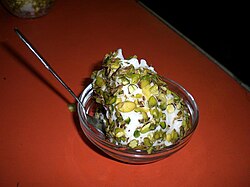
- Booza is a unique Syrian ice cream known for its elastic texture due to the addition of mastic.
The Art of Meze
Meze is an essential part of any Syrian meal, consisting of a selection of cold and hot appetizers. These dishes often highlight the region's love for legumes and eggplants.
Popular dips include Hummus (mashed chickpeas with tahini, lemon, and garlic) and Mtabbal or Baba ghanoush, which utilize mashed eggplant. For those seeking bolder flavors, Mhammarah is a spicy pepper dip originating from Aleppo, made with the famous Aleppo pepper.
Other notable meze include Fattoush, a garden salad topped with toasted pita bread, and Labneh, a tart strained yogurt. For heartier options, Fatteh—pieces of Arabic bread topped with various ingredients—comes in several versions, including those with meat (billahm), chicken (jaaj), or tallow (bissamn).
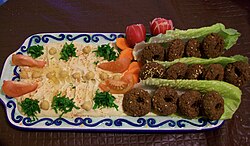
Common Meze Varieties
| Dish Name | Primary Ingredients | Description |
|---|---|---|
| Falafel | Chickpeas/Fava beans | Deep-fried spiced patties |
| Kibbeh | Bulghur, meat, spices | Versatile meat and grain dish |
| Makdous | Eggplant | Stuffed and pickled eggplants |
| Halloumi | Cheese | Grilled or fried sliced cheese |
| Yabrak | Grape leaves, rice, meat | Hot stuffed vine leaves |
Main Courses: Kebabs, Kibbeh, and Mahshi
Syrian main dishes often center around expertly grilled meats and stuffed vegetables. Kebab, or grilled meat, reaches a high level of artistry in Aleppo. Kebab Halabi includes roughly 26 variants, such as Kebab Karaz (lamb meatballs with cherries) and Kebab Kamayeh (meat with truffle pieces).
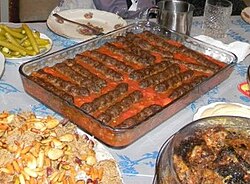
Kibbeh is perhaps the most iconic Syrian dish, consisting of bulghur and minced lamb. It can be prepared in numerous ways: baked in a tray (bisseniyyeh), cooked in yogurt (labaniyyeh), served raw (nayyeh), or grilled (mishwiyyeh).
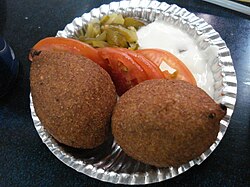
Another cornerstone of the cuisine is Mahshi, the practice of stuffing vegetables. Typically, zucchini (kusa) or eggplant are filled with a mixture of ground beef or lamb, rice, and nuts.
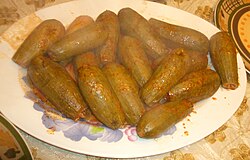
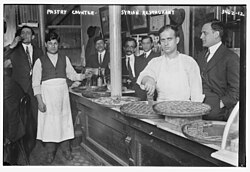
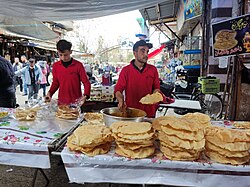
Syrian Street Food
The streets of Syria offer a vibrant array of quick, flavorful bites. Shawarma is a global favorite, featuring marinated meat shaved from a roasting skewer and wrapped in Arabic bread or a baguette.
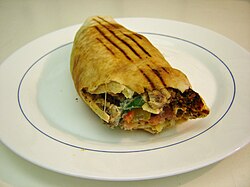
For breakfast or a light snack, Manakish (dough topped with za'atar, cheese, or meat) and Ka'ak (sesame-sprinkled bread rings) are staples. Sweet street treats include Maarouk, a date-stuffed bread popular during Ramadan, and Booza, the elastic mastic ice cream.
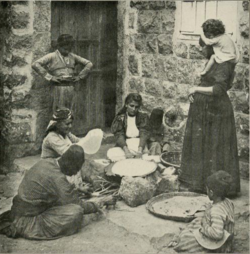
Traditional baking remains a vital part of the culture, with flatbreads often being a central accompaniment to every meal.
Sweets and Desserts
Syrian desserts are renowned for their use of nuts, honey syrup (known as atr), and aromatic creams. Ba'lawah (layered nut pastry) and Kanafeh (cheese-stuffed shoelace pastry) are highly prized.
Unique specialties include Halawet al-jibn, a rolled pastry stuffed with cheese or thick milk cream, and Qamar al-din, a concentrated dried apricot paste.
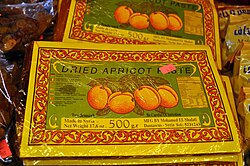
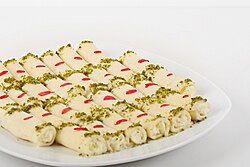
Other traditional treats include Ma'mul, molded biscuits filled with dates or nuts eaten during religious holidays, and Naem, a fried flatbread brushed with syrup.
Frequently Asked Questions
What is the difference between Yabrak and Yalanji?
Yabrak consists of grape leaves stuffed with rice and minced meat and is served hot. Yalanji is stuffed with rice and a variety of vegetables and can be served either hot or cold.
What gives Syrian Booza its unique texture?
The elastic texture of Booza is caused by the inclusion of mastic, a resin that provides a chewy consistency different from Western-style ice cream.
What are the different types of Fatteh?
Fatteh is a versatile dish of Arabic bread topped with other ingredients. Variations include Fatteh billahm (with meat), Fattet jaaj (with chicken), Fatteh bissamn (with tallow), and Fatteh bizzayt (with vegetable or olive oil).
What is the significance of Ma'mul biscuits?
Ma'mul are traditional biscuits filled with dates, pistachios, or walnuts. They are specially prepared and eaten during Christian (Easter), Muslim ('Id al-Fitr), and Jewish (Purim) holidays.
What is the primary ingredient in Kibbeh?
Kibbeh is primarily made from a mixture of bulghur (cracked wheat), minced lamb, and various spices.