Suppiluliuma I: The Architect of the Hittite Empire
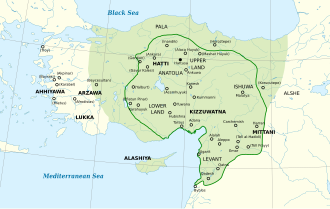
In the landscape of the ancient Near East, few figures loom as large as Suppiluliuma I. Reigning approximately from 1350 to 1322 BC, he transformed the Hittite state from a regional power into a dominant empire. Through a combination of strategic generalship, diplomatic cunning, and relentless military campaigns, Suppiluliuma I reshaped the political map of Anatolia, Syria, and Mesopotamia.
His rise to power and subsequent reign marked the beginning of the Hittite New Kingdom, a period characterized by expansion and the establishment of a complex system of vassal states. His legacy is preserved not only in the archaeological remains of the capital, Hattusa, but also in the detailed accounts written by his son, Mursili II.
Key Facts
- Reign: Approximately 1350–1322 BC.
- Predecessor: Tudhaliya III (adoptive father).
- Successor: Arnuwanda II.
- Major Achievements: Expansion into Syria and the reduction of the Mittani kingdom.
- Key Spouse: Henti Malnigal, daughter of Burnaburias II of Babylonia.
- Notable Incident: The Zannanza affair involving the Egyptian royal court.
Rise to Power and Family
Suppiluliuma I was the adoptive son of King Tudhaliya III. Before ascending to the throne, he distinguished himself as a capable general, laying the groundwork for the military successes that would define his reign. Upon his accession, he sought to solidify his legitimacy and strengthen international ties through strategic marriages.
One of his most significant unions was with Henti Malnigal, a princess of Babylonia and daughter of King Burnaburias II. This marriage served as a diplomatic bridge between the Hittite heartland and the powerful dynasties of Mesopotamia. Suppiluliuma I fathered several children who played critical roles in the empire's administration, including Arnuwanda II and Mursili II, as well as princes who served as viceroys in key territories.
Imperial Expansion and Military Campaigns
The reign of Suppiluliuma I was defined by a series of calculated wars designed to eliminate rivals and secure trade routes. His primary focus was the Mittani kingdom, a powerful state that had long contested Hittite influence in Northern Mesopotamia.
The One-Year and Six-Year Wars
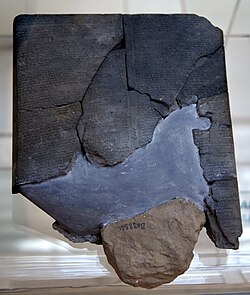
Through a series of conflicts known as the One-Year War and the Six-Year War, Suppiluliuma I systematically dismantled Mittani power. He eventually established Sattiwaza as a vassal king over the remnants of the state, which the Assyrians referred to as Hanigalbat. This victory effectively reduced Mittani to a dependency, alternating between Hittite and Assyrian control until its final annexation by Shalmaneser I.
Control of Syria and Mesopotamia
With the fall of Mittani, the Hittites reorganized vast territories in Syria. Suppiluliuma I established a system of vassalage, including the kingdom of Aštata centered at Emar. To maintain order in these distant lands, he appointed Hittite princes to rule at Carchemish and Aleppo, where they acted as viceroys representing the Great King.
Diplomacy and the Zannanza Affair
Suppiluliuma I's ambitions extended toward Egypt, the other great superpower of the age. This relationship reached a dramatic peak during the Zannanza affair. Following the death of a Pharaoh, the widowed Queen Ankhesenamun (likely the widow of Tutankhamun) sent a request to Suppiluliuma I, asking for one of his sons to become her husband and King of Egypt.
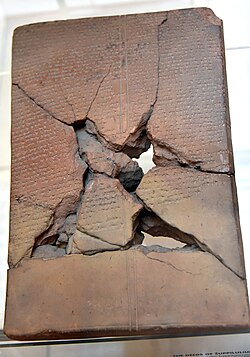
Suppiluliuma I, cautious of the request's legitimacy, sought counsel before sending his son, Zannanza. However, the mission ended in tragedy; Zannanza was murdered on his journey to Egypt. This event created a lasting rift between the two powers and is documented in the later Plague Prayers of Mursili II.
Summary of the Reign of Suppiluliuma I
| Category | Details |
|---|---|
| Primary Goal | Expansion of Hittite hegemony in Anatolia and Syria |
| Key Rival | The Mittani Kingdom |
| Administrative Strategy | Installation of royal viceroys in Aleppo and Carchemish |
| Diplomatic Reach | Babylonia (via marriage) and Egypt (via the Zannanza request) |
| Succession | Followed by Arnuwanda II and later Mursili II |
Frequently Asked Questions
Who was Suppiluliuma I?
Suppiluliuma I was a powerful king of the Hittites who reigned from approximately 1350 to 1322 BC. He is credited with transforming the Hittite state into a major empire through military conquest and strategic diplomacy.
How did he handle the Mittani kingdom?
Through the One-Year and Six-Year Wars, Suppiluliuma I broke the power of the Mittani. He installed Sattiwaza as a vassal king, effectively turning the region into a Hittite dependency and expanding his control over Northern Mesopotamia.
What was the Zannanza affair?
The Zannanza affair occurred when an Egyptian queen requested a Hittite prince to marry her and rule Egypt. Suppiluliuma I sent his son, Zannanza, but the prince was killed before he could reach Egypt, leading to significant diplomatic tension.
How did he manage his conquered territories in Syria?
He utilized a system of vassal states and appointed members of the Hittite royal family to rule as viceroys in strategic cities like Aleppo and Carchemish to ensure loyalty and administrative efficiency.
Who succeeded Suppiluliuma I?
He was succeeded by his son, Arnuwanda II, though his other son, Mursili II, would later become one of the most significant rulers of the empire, documenting his father's deeds in historical records.