Sunni Islam: History, Beliefs, and Jurisprudence
Sunni Islam is the largest branch of Islam and the most populous religious denomination globally. At its core, the tradition is defined by its adherence to the sunnah—the practices and examples of the Prophet Muhammad. While it shares the fundamental tenets of Islam with other branches, Sunni Islam is distinguished by its historical perspective on leadership and its structured approach to law and theology.
Historically, the division between Sunni and Shia Islam emerged from a disagreement over succession after the death of Muhammad. Sunnis hold that the Prophet did not appoint a specific successor, and that Abu Bakr was rightfully chosen as the first caliph (leader) of the Muslim community during the meeting of Saqifa. In contrast, the Shia believe that Ali ibn Abi Talib was the appointed successor. Despite these differences, Sunnis deeply revere Ali, alongside Abu Bakr, Umar, and Uthman, collectively referring to them as the rashidun, or the "rightly-guided caliphs."
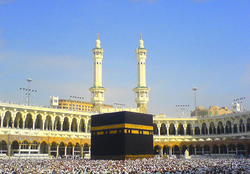
Key Facts
- Global Presence: Estimated to comprise 85–90% of the world's 1.62 billion Muslims.
- Core Authority: Based on the Quran, hadith (prophetic traditions), and ijma (scholarly consensus).
- Legal Framework: Guided by four primary schools of jurisprudence: Hanafi, Hanbali, Maliki, and Shafi'i.
- Theological Schools: Primarily comprises the Ash'ari, Maturidi, and Athari schools of kalam (theology).
- Faith Structure: Upholds the six pillars of iman (faith).
The Foundations of Sunni Law and Theology
Sunni jurisprudence is a sophisticated system used to derive Sharia (Islamic law) rulings. This process integrates the primary sources of the Quran and hadith—specifically the Kutub al-Sittah (the Six Books)—with ijma and the consideration of public welfare. These rulings are refined through the principles developed by four major legal schools: the Hanafi, Hanbali, Maliki, and Shafi'i schools.
![The Great Mosque of Kairouan (also known as the Mosque of Uqba) in the city of Kairouan, Tunisia, was, particularly from the 9th to 11th century, an important center of Islamic learning with an emphasis on the Maliki Madh'hab.[129]](/images/a9/23/a923b44db136406169370b9ae9c6bfcabf0dc969043307ec00c14ba8324ceb6a.jpg)
Theological Schools (Kalam)
In matters of creed, Sunni tradition is not monolithic but consists of several schools of kalam (speculative theology). The Ash'ari and Maturidi schools are the most prominent, often emphasizing a balance between reason and revelation. Additionally, the Athari school takes a more textualist approach, adhering strictly to the literal meanings of the scriptures.
The Role of Mysticism
There is a broad consensus that Sufism (Islamic mysticism) is an integral part of Sunnism. Historical classifications, such as those by the scholar Abu Mansur al-Baghdadi, categorized Sufi ascetics as one of the eight specialized groups within the Sunni community, alongside theologians, jurists, and Quran scholars.
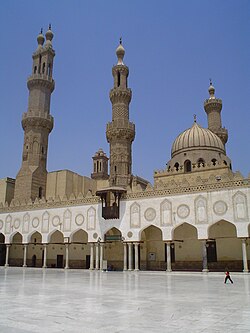
The Six Pillars of Iman
The Sunni creed is anchored by the six pillars of iman (faith), which every adherent is expected to uphold:
- Belief in the Oneness of God: The absolute unity and transcendence of Allah.
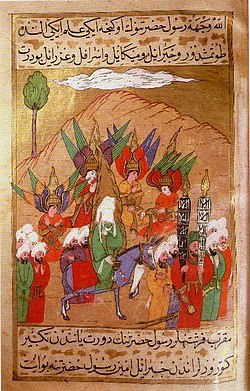
- Belief in the Angels: Recognition of divine messengers, such as Gabriel, Michael, Israfil, and Azrael.
- Belief in Holy Books: Acceptance of the scriptures revealed by God.
- Belief in the Prophets: Faith in the messengers of God, culminating in Muhammad.
- Belief in the Day of Judgment: Faith in resurrection after death and the final accountability of all souls.
- Belief in Preordainment (Qadar): The belief in divine decree and destiny.
The Authority of Hadith
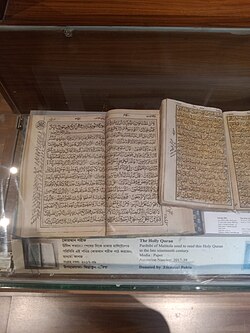
While the Quran is the primary source of authority, the hadith (recorded sayings and actions of the Prophet) are essential for interpreting the faith. The most authoritative collections are the Kutub al-Sittah, which include:
- Sahih al-Bukhari
- Sahih Muslim
- Sunan al-Nasa'i
- Sunan Abu Dawud
- Jami' at-Tirmidhi
- Sunan Ibn Majah
Summary of Sunni Islam
| Category | Key Components |
|---|---|
| Primary Sources | Quran, Hadith (Kutub al-Sittah), Ijma (Consensus) |
| Legal Schools | Hanafi, Maliki, Shafi'i, Hanbali |
| Theological Schools | Ash'ari, Maturidi, Athari |
| Rightly-Guided Caliphs | Abu Bakr, Umar, Uthman, Ali |
| Global Population | Approximately 85–90% of all Muslims |

![Countries by percentage of population practicing Islam.[83] Sunni](/images/c1/74/c174bc4d16eb055b2ad33a3772498d14e8b3e78f62cd2924a32b15bfbdea6bc0.png)
Frequently Asked Questions
What does the term "Sunni" actually mean?
The term "Sunni" is derived from sunnah, which refers to the practices, traditions, and examples of the Prophet Muhammad. Therefore, a Sunni is one who follows the sunnah.
Who are the Rightly-Guided Caliphs?
The rashidun are the first four leaders of the Muslim community after the Prophet Muhammad: Abu Bakr, Umar, Uthman, and Ali. Sunnis revere all four as legitimate and guided leaders.
What are the four legal schools of Sunni Islam?
The four primary schools of jurisprudence (fiqh) are the Hanafi, Maliki, Shafi'i, and Hanbali schools. These schools provide the methodology for deriving legal rulings from the Quran and Sunnah.
How does Sunni Islam view the succession of Muhammad?
Sunnis believe that Muhammad did not appoint a specific successor. They maintain that Abu Bakr was rightfully chosen by the community at the meeting of Saqifa to lead as the first caliph.
Is Sufism considered part of Sunni Islam?
Yes, there is broad agreement among scholars that Sufism, the mystical dimension of Islam, is a part of the Sunni tradition, representing one of the various religious specializations within the faith.