African American Muslims: History, Faith, and Cultural Influence
The presence of Islam within the African American community is a profound narrative of resilience, identity, and spiritual evolution. From the early days of the transatlantic slave trade to the modern era of global connectivity, the journey of Black Muslims in the United States reflects a complex intersection of faith and the struggle for liberation.
Today, the population of African American Muslims is estimated between 770,000 and 1,100,000 people. While concentrated in major urban centers such as Chicago, Detroit, New York City, Newark, Washington D.C., Philadelphia, and Atlanta, their influence extends far beyond these cities into the realms of politics, sports, and the arts.
Key Facts
- An estimated 30% of enslaved people brought from West and Central Africa were Muslims.
- The largest mass conversion to Islam in U.S. history occurred when Warith Deen Mohammed led the majority of the Nation of Islam toward Sunni Islam by 1978.
- Sunni Islam is the most common sect among African American Muslims.
- Conversion to Islam is highly prevalent in the U.S. prison system, with some estimates suggesting 80% of prisoners who find faith in prison convert to Islam.
- Prominent figures like Malcolm X and Muhammad Ali played pivotal roles in shaping the public perception of Black Muslims.
Historical Foundations
The roots of Islam in the Americas date back to the era of slavery. It is estimated that roughly 30% of captives from West and Central Africa were Muslims. Because many of these individuals were literate—a rarity among enslaved populations—they were frequently assigned supervisory roles. While many were forced to convert to Christianity, some, such as Omar ibn Said, maintained their faith throughout their lives.
One of the most significant historical figures is Bilali Muhammad, an enslaved West African on Sapelo Island, Georgia. Born in Timbo, Guinea, between 1760 and 1779, Bilali was highly educated and served as an imam for a community of enslaved people. He is best remembered for a 19th-century Arabic manuscript on fiqh (Islamic jurisprudence), which detailed rules for prayer and ablution. This document remains one of the most sacred texts for African American Muslims today.
The Rise of Black Nationalist Islamic Movements
In the 20th century, Islam became a vehicle for Black nationalism and identity. The Moorish Science Temple of America, founded in 1913 by Noble Drew Ali, was one of the first groups to blend Islamic practices with a quest for ancestral identity.
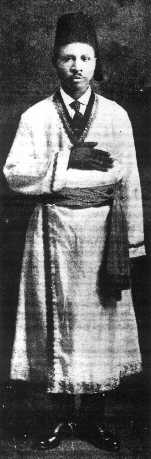
Following this, the Nation of Islam (NOI) was founded in the 1930s. By 1963, the NOI had attracted at least 20,000 members, offering a framework of economic independence, social responsibility, and racial pride. Under the leadership of Elijah Muhammad, the group became a powerhouse of Black empowerment.
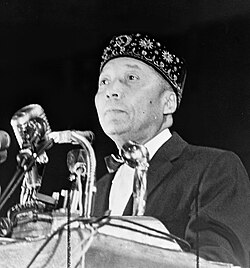
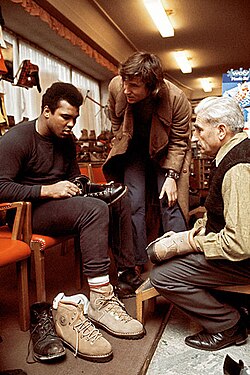
The NOI's influence was amplified by figures like Malcolm X and Muhammad Ali, whose public profiles brought the movement into the global spotlight.
The Five-Percent Nation
In 1964, Clarence 13X (also known as "Allah the Father") founded the Five-Percent Nation (or Nation of Gods and Earths) in Harlem. A former student of Malcolm X, Clarence 13X split from the NOI over the nature of God, teaching that the Black man himself was God personified rather than the NOI's founder, Wallace Fard Muhammad.
Transition to Orthodox Sunni and Shia Islam
A major turning point occurred in 1964 when Malcolm X converted to orthodox Sunni Islam. This shift encouraged many others to move away from the NOI's specific theology toward mainstream Islamic practice.
This transition accelerated after 1975, when Warith Deen Mohammed took leadership of the NOI following his father's death. He implemented sweeping reforms, rejecting the divinity of Fard Muhammad and the prophethood of his father. He converted over 400 temples into traditional mosques and introduced the Five Pillars of Islam, welcoming people of all races as fellow worshipers.
While Sunni Islam remains dominant, Shia Islam also gained a foothold, particularly after the 1979 Iranian Revolution. By 1982, over a thousand African Americans in Philadelphia alone had accepted Shia Islam, though they sometimes faced friction from Salafi and Wahhabi preachers.
Demographics and Modern Influence
Today, African American Muslims are integrated into every level of American society. In urban areas, the Sunnah beard (grown by men in adherence to the traditions of the Prophet Muhammad) and the hijab for women are visible markers of faith.
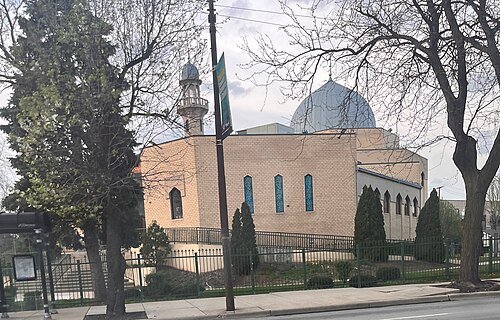
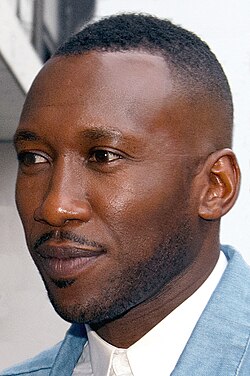
The community's influence is particularly visible in the arts and entertainment sectors, with figures like Mahershala Ali representing the diversity of the faith.
Summary of Major Groups
| Group/Sect | Key Characteristics | Notable Influence/Figures |
|---|---|---|
| Sunni Islam | Orthodox mainstream; follows Five Pillars | Warith Deen Mohammed, Malcolm X |
| Nation of Islam | Black nationalism; economic independence | Elijah Muhammad, Louis Farrakhan |
| Moorish Science Temple | Early 20th-century identity movement | Noble Drew Ali |
| Five-Percent Nation | Taught that the Black man is God personified | Clarence 13X |
| Shia Islam | Grew in visibility post-1979 Iranian Revolution | Philadelphia community (1980s) |
Notable African American Muslims
The impact of the community is evident across various professional fields:
- Politics: Representatives such as Ilhan Omar, André Carson, and Lateefah Simon.
- Athletics: Legends including Kareem Abdul-Jabbar, Mike Tyson, and Kyrie Irving.
- Music: Artists ranging from Nas and Busta Rhymes to SZA and Ahmad Jamal.
- Entertainment: Actors and comedians like Dave Chappelle and Yahya Abdul-Mateen II.
Frequently Asked Questions
What percentage of enslaved Africans were Muslim?
It is estimated that approximately 30% of enslaved people brought to the Americas from West and Central Africa were Muslims.
Who was Bilali Muhammad?
Bilali Muhammad was an enslaved West African in Georgia known for his literacy and Islamic scholarship. He authored a significant 19th-century Arabic manuscript on Islamic jurisprudence (fiqh).
How did the Nation of Islam transition to Sunni Islam?
Following the death of Elijah Muhammad in 1975, his son Warith Deen Mohammed led the majority of the NOI toward orthodox Sunni Islam, converting temples into mosques and introducing the Five Pillars of Islam.
Why is Islam common in U.S. prisons?
Research indicates that a significant portion of the prison population (17–20%) identifies as Muslim, with roughly 80% of those who find faith while incarcerated converting to Islam, predominantly among African Americans.
What is the Five-Percent Nation?
Founded in 1964 by Clarence 13X, the Five-Percent Nation is an organization that teaches that the Black man is God personified, diverging from the theology of the Nation of Islam.