Muhammad Ali: The Life and Legacy of The Greatest
Few figures in the 20th century cast as long a shadow over sports and culture as Muhammad Ali. Known globally as "The Greatest," Ali was more than a heavyweight champion; he was a poet, an activist, and a global icon who redefined the intersection of athletics and social conviction. From his early days as a gold medalist in Rome to his legendary battles in the ring, Ali's journey was one of unparalleled athletic skill and unwavering principle.
Ali's influence extended far beyond the boxing ring, touching the realms of religion, politics, and humanitarianism. His life was a testament to the power of the human spirit to overcome adversity, whether in the form of a formidable opponent or a debilitating illness.
Key Facts
![Ali watches replay of his March 1966 title fight against Henry Cooper.[53]](/images/66/10/66103cb44fc874d5311c1c17cd134934e26f724d3c426e0b6829060374ba7cfd.jpg)
- Professional Record: 56 wins (37 by KO) and 5 losses across 61 fights.
- Olympic Success: Won a gold medal in the light-heavyweight division at the 1960 Rome Summer Olympics.
- Major Titles: Multiple-time World Heavyweight Champion (WBA, WBC, and The Ring).
- Activism: Famously refused induction into the U.S. Army during the Vietnam War on religious and moral grounds.
- Health: Battled Parkinson's disease in his later years, becoming a prominent advocate for research.
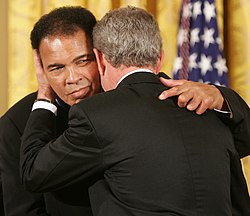
- Legacy: Honored with the Presidential Medal of Freedom in 2005.
Early Life and Amateur Ascent
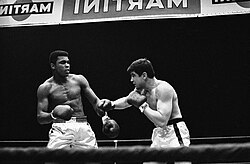
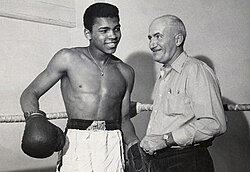
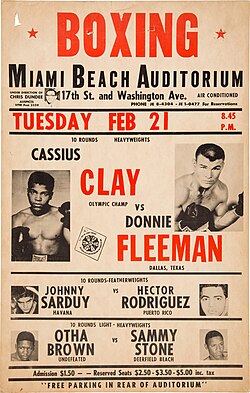
Before he was the global phenomenon known as Muhammad Ali, he was Cassius Clay. His rise in the amateur ranks was meteoric, characterized by a speed and agility rarely seen in the heavyweight and light-heavyweight divisions. He dominated the Golden Gloves in Chicago and New York and secured victories at the US National Championships.
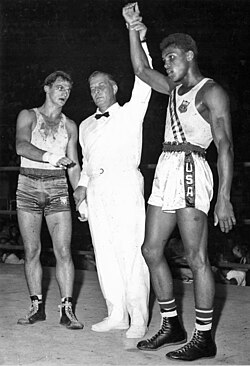
The pinnacle of his amateur career came in 1960 when he represented the United States at the Rome Summer Olympics, where he defeated Zbigniew Pietrzykowski to claim the gold medal.
The Professional Peak: Dominating the Heavyweights
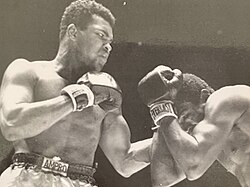
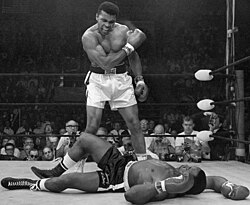
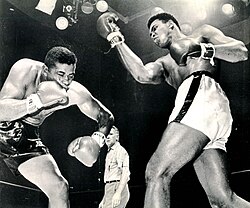
Ali transitioned to the professional circuit with a level of confidence and charisma that captivated the public. His early career was marked by a series of rapid victories, leading to his first major clash with the formidable Sonny Liston. In a stunning upset, Ali defeated Liston to claim the world heavyweight title.
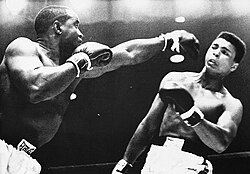
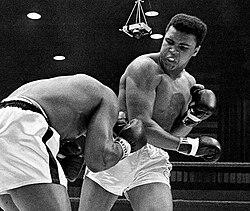
Throughout his first reign, Ali faced legendary opponents including Floyd Patterson and Ernie Terrell. His style—characterized by the "float like a butterfly, sting like a bee" philosophy—allowed him to dodge punches and land precise strikes, making him a nightmare for traditional heavyweights.
Exile, Activism, and the Return
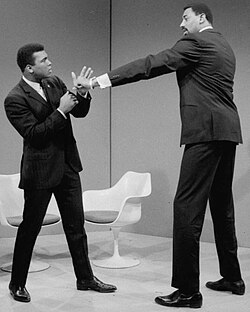
At the height of his powers, Ali's life took a dramatic turn. His affiliation with the Nation of Islam and his subsequent conversion to Sunni Islam were accompanied by a firm stance against the Vietnam War. In 1967, Ali refused to be drafted into the U.S. Army, leading to his boxing license being revoked and a period of forced exile from the sport.
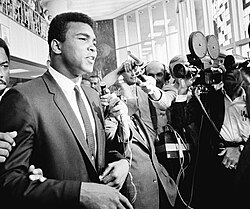
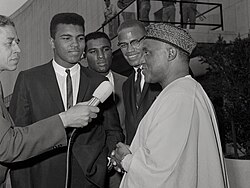
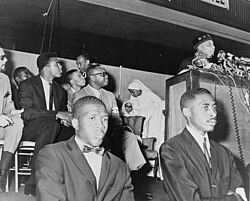
Despite the loss of his prime years, Ali's resolve never wavered. He spent his exile speaking to college students and protesting the war, cementing his status as a symbol of resistance and civil rights. When he finally returned to the ring, he entered a new era of boxing, facing some of the toughest challengers in history.
The Super Fights and the Rumble in the Jungle
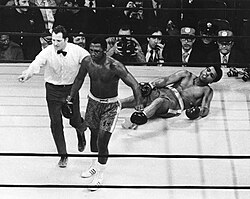
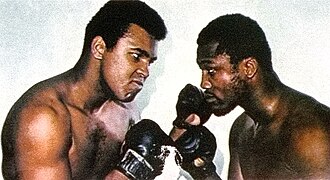
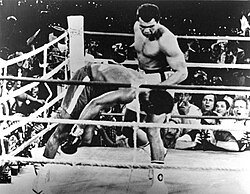
Ali's return was marked by the "Fight of the Century" against Joe Frazier in 1971, a brutal encounter that resulted in Ali's first professional loss. However, he would eventually reclaim the title in one of the most famous sporting events of all time: the Rumble in the Jungle. In Zaire, Ali utilized the "rope-a-dope" strategy to exhaust George Foreman, eventually knocking him out in the eighth round to regain the WBA, WBC, and The Ring titles.
Later Career and Life Beyond Boxing
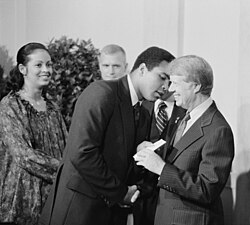
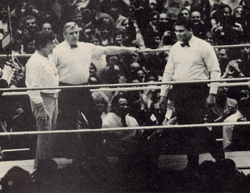
Ali continued to fight into the late 1970s and early 1980s, facing opponents like Leon Spinks and Trevor Berbick. While his physical dominance waned, his global celebrity only grew. He ventured into acting, spoken word poetry, and even professional wrestling, appearing as a special guest referee at WrestleMania I.
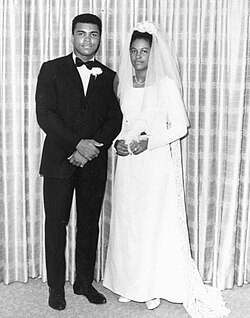
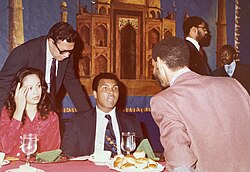
In his personal life, Ali was married four times and was the father of nine children. He remained a deeply spiritual man, transitioning from the Nation of Islam to Sunni Islam, and dedicated much of his later life to philanthropy and humanitarian efforts.
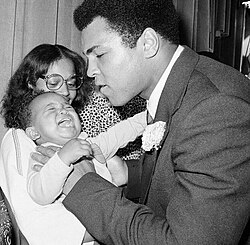
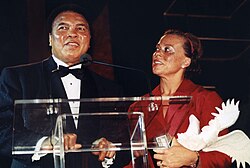
Health Struggles and Final Years
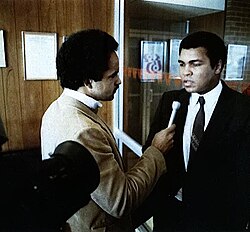
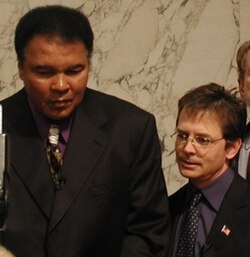
In the latter part of his life, Ali was diagnosed with Parkinson's disease, a neurological disorder that affected his motor skills and speech. Rather than retreating from the public eye, Ali used his diagnosis to bring awareness to the condition, testifying before the Senate alongside Michael J. Fox to secure government funding for research.
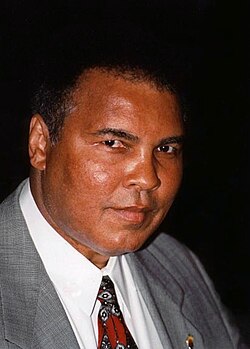
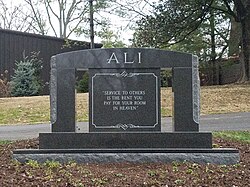
Muhammad Ali passed away on June 3, 2016, at the age of 74. He is buried at Cave Hill Cemetery in his hometown of Louisville, Kentucky.
Career Summary
| Metric | Detail |
|---|---|
| Total Fights | 61 |
| Total Wins | 56 |
| Wins by KO | 37 |
| Total Losses | 5 |
| Height / Reach | 6 ft 3 in / 78 in |
| Stance | Orthodox |
Frequently Asked Questions
Why did Muhammad Ali refuse the draft?
Ali refused induction into the U.S. Army during the Vietnam War based on his religious beliefs as a Muslim and his moral opposition to the conflict, stating that he could not fight a war against people of color in another country.
What was the "Rumble in the Jungle"?
The Rumble in the Jungle was a historic 1974 heavyweight title fight in Kinshasa, Zaire, where Muhammad Ali defeated George Foreman via an eighth-round knockout to regain the world championship.
How many times was Muhammad Ali the World Heavyweight Champion?
Ali was a multiple-time champion, holding the WBA, WBC, and The Ring titles across different reigns, most notably regaining them after his exile from boxing.
What impact did Parkinson's disease have on his later life?
While the disease severely limited his physical movement and speech, Ali became a global ambassador for the condition, using his fame to advocate for medical research and funding to help others suffering from the disorder.
Who were Ali's most significant rivals?
His most significant rivals included Sonny Liston, whom he defeated to first become champion; Joe Frazier, with whom he had a legendary trilogy of fights; and George Foreman.