Islam: Faith, History, and Global Practice
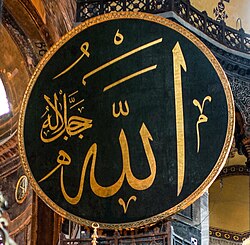
Islam, derived from the Arabic word al-Islām meaning "submission [to the will of God]," is a monotheistic Abrahamic religion. With an estimated 2 billion followers known as Muslims, it is one of the world's largest faiths. Collectively, the global community of Muslims is referred to as the Ummah.
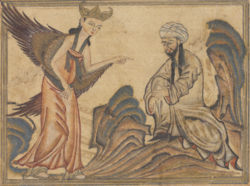
The faith is centered on the belief in one God and the teachings of the Prophet Muhammad, who received his first revelations in the early 7th century CE.
Key Facts
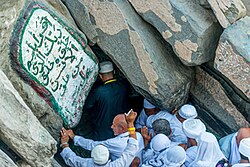
- Founder: Muhammad, who began receiving revelations c. 610 CE at Jabal al-Nour.
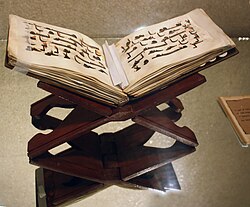
- Primary Scripture: The Quran, believed to be the word of God revealed in Quranic Arabic.
- Core Belief: Strict monotheism (Tawhid) and submission to the will of God.
- Global Presence: Approximately 25.6% of the world's population.
- Major Branches: Sunni and Shia are the primary denominations.
Foundations of Faith
![A 15th-century[60] Persian miniature depicting Muhammad leading Abraham, Moses, Jesus and other prophets in prayer](/images/38/7d/387d5bbebfcb3e823be8577a4bad62834d77a8cdb35eecd6a4ee57b645be1c43.jpg)
The Quran and Hadith
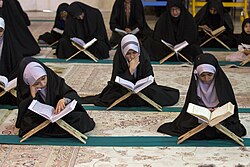
The Quran is the central religious text of Islam. To understand its deeper meanings, Muslims use Tafsir, which is the process of exegesis or critical interpretation of the scripture.
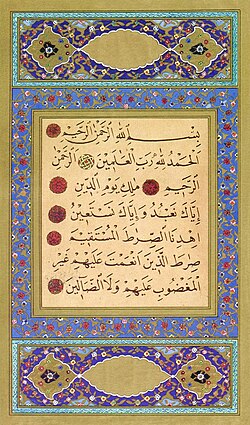
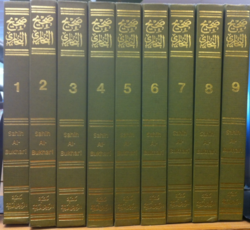
Complementing the Quran are the Hadith, which are records of the traditions, sayings, and actions of the Prophet Muhammad. These provide essential guidance on how to apply the faith in daily life.
Articles of Faith
Islamic theology is built upon several core pillars of belief, including:
- God: Belief in a single, omnipotent deity.
- Angels: Belief in celestial beings who serve God.
- Prophets: Belief in a line of messengers, including Abraham, Moses, and Jesus, culminating in Muhammad.
- Resurrection and Judgment: The belief in life after death and a final divine judgment.
- Divine Predestination: The concept that God has prior knowledge of all events.
The Five Pillars of Islam
The practice of Islam is defined by five mandatory acts of worship that shape the life of a believer:
- Declaration of Faith (Shahadah): The testimony that there is no god but God and Muhammad is His messenger.
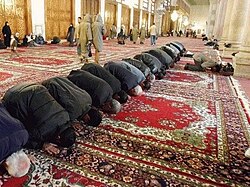
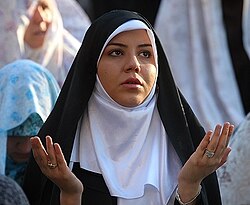
- Prayer (Salah): Performing ritual prayers five times a day.
- Almsgiving (Zakat): Giving a portion of one's wealth to help the poor and needy.
- Fasting (Sawm): Abstaining from food and drink during the daylight hours of the month of Ramadan.
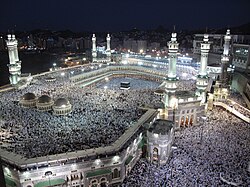
- Pilgrimage (Hajj): The journey to the holy city of Mecca at least once in a lifetime for those who are physically and financially able.
Historical Evolution
Origins and Early Expansion
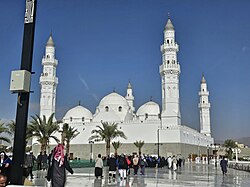
Islam began in the early 7th century CE when Muhammad received revelations from the angel Gabriel. Following the Hijrah (emigration) from Mecca to Medina, the first mosque, the Quba Mosque, was established.
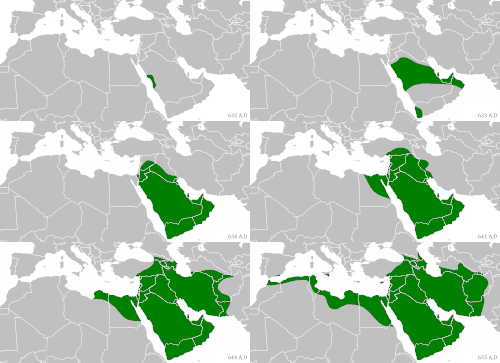
After the death of Muhammad in 632 CE, the Rashidun Caliphate led a period of rapid expansion, spreading the faith across vast territories.
The Classical and Pre-Modern Eras
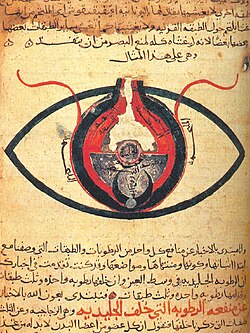
From 750 to 1258 CE, the Classical era saw significant advancements in science, philosophy, and art. This period was marked by the synthesis of faith and reason, contributing to global knowledge in fields such as medicine and astronomy.
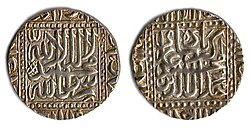
The pre-modern era (1258–18th century) saw the rise of powerful empires, including the Mughal Empire in India and the Ottoman Empire, which eventually produced the last Caliph, Abdülmecid II.

Denominations and Jurisprudence
Sunni and Shia Islam
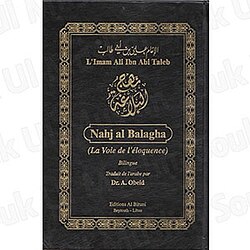
The primary division in Islam occurred over the question of leadership after the Prophet's death. Sunni Muslims represent the majority and emphasize the tradition of the community. Shia Muslims believe that leadership should have remained within the Prophet's family, specifically through Imam Ali.
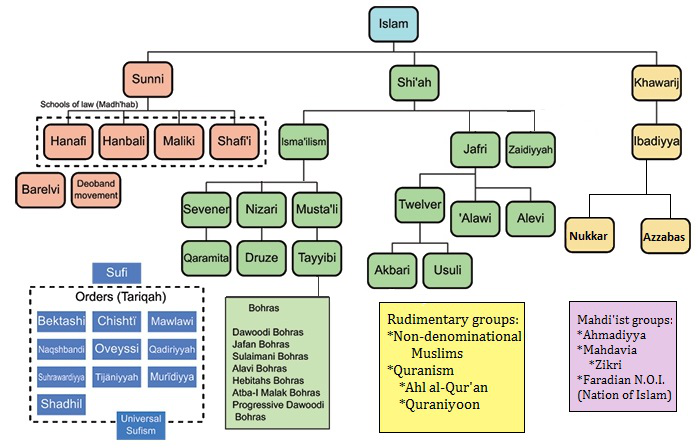
Sufism and Sharia
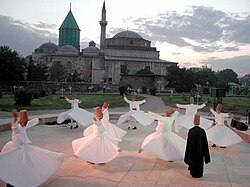
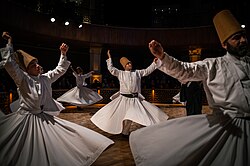
Sufism is the mystical dimension of Islam, focusing on the internal spiritual journey to reach a direct experience of God. This is often practiced through meditation and rhythmic movements, such as those of the Whirling Dervishes.
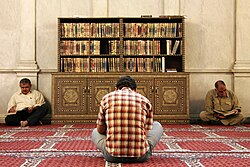
Sharia refers to the body of Islamic law derived from the Quran and Hadith. It provides a framework for both religious rituals and daily social and legal conduct.
Summary of Islamic Core Components

| Category | Key Elements | Purpose |
|---|---|---|
| Scripture | Quran, Hadith | Divine guidance and prophetic tradition |
| Core Practices | Five Pillars | Spiritual discipline and social responsibility |
| Theology | Tawhid (Monotheism) | Affirmation of the oneness of God |
| Law | Sharia | Ethical and legal framework for society |
Frequently Asked Questions

!["Muhammad at the Ka'ba" from the Siyer-i Nebi.[130] Muhammad is shown with veiled face, c. 1595.](/images/73/5e/735e7f5a3e3e078c2ada57a82469f870c929b9384a7bc8dcd65ed477acdaeaf6.jpg)
![Global percentage of adherents by religion. Muslims comprise about 25.6% of the world's population, a slightly smaller percentage than Christians.[294]](/images/77/65/7765c58927c1cd1d47139d38326be52d34e82426dc984e6aaf8e282b89db6260.webp)
![World percentage of Muslims by country (2010)[295]: 234–245](/images/cc/63/cc63d1b4e0d88540ba43a88f97743b2c8ee4e22cc605ced2f6301c9f82adad9e.webp)
![Islamic schools of law in the Muslim world[citation needed]](/images/0c/fa/0cfafea2bba86a417a0efd9f21a6699877403764699a12a38875f967e65db9af.png)

![John of Damascus, under the Umayyad Caliphate, viewed Islamic doctrines as a hodgepodge from the Bible.[513]](/images/f7/54/f754a4e442c1d9d36aa94cb5c20c1b039810dc4fe928bb6d279cd2d9b766ed51.gif)
What is the difference between the Quran and the Hadith?
The Quran is believed to be the direct word of God revealed to Muhammad, while the Hadith are records of the Prophet's own words and actions used to interpret and apply the Quranic teachings.
What are the Five Pillars of Islam?
The Five Pillars are the fundamental practices of the faith: the Declaration of Faith (Shahadah), ritual prayer (Salah), almsgiving (Zakat), fasting during Ramadan (Sawm), and the pilgrimage to Mecca (Hajj).
What is the main difference between Sunni and Shia Muslims?
The split primarily concerns the rightful successor to Prophet Muhammad. Sunnis believe the community should choose its leader, while Shias believe the leadership was divinely appointed to Muhammad's family, starting with Ali.
What is Sufism?
Sufism is the mystical branch of Islam that emphasizes a personal, spiritual connection with God through asceticism, meditation, and the pursuit of inner purity.
What is the Ummah?
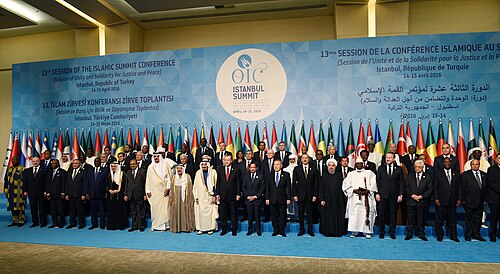
The Ummah is the collective term for the worldwide community of Muslims, transcending national, ethnic, and linguistic boundaries.