Sulayman ibn Abd al-Malik: The Seventh Umayyad Caliph
Sulayman ibn Abd al-Malik (c. 675 – 717) was a pivotal figure of the Umayyad Caliphate, serving as its seventh caliph from February 715 until his death in September 717. A member of the Marwanid house, Sulayman's life was marked by a transition from a powerful provincial governor to the supreme leader of one of history's most expansive empires. His reign, though brief, left a lasting mark on the urban landscape of the Levant and the political dynamics of the early Islamic state.
Key Facts
- Reign: February 24, 715 – September 24, 717.
- Major Achievement: Founded the city of Ramla as the administrative capital of Palestine.
- Family: Son of Caliph Abd al-Malik and Wallada bint al-Abbas.
- Key Infrastructure: Built the White Mosque in Ramla and the Great Umayyad Mosque of Aleppo.
- Political Rivalry: Maintained a deep resentment toward the powerful viceroy al-Hajjaj ibn Yusuf.
Early Life and the Rise of the Marwanids
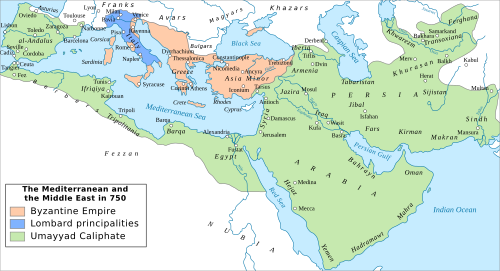
Born around 675 in Medina, Sulayman grew up during a period of intense political instability. Following the deaths of Mu'awiya I's immediate successors, the Umayyad dynasty faced a collapse of authority, with many provinces recognizing Abd Allah ibn al-Zubayr as caliph. This turmoil forced Sulayman and other Umayyads to flee Medina for Syria.
In Syria, Sulayman's grandfather, Marwan I, was elected caliph by loyalist Arab tribes, forming the Yaman confederation. By 692, Sulayman's father, Abd al-Malik, had successfully reconquered the Caliphate, stabilizing the dynasty and setting the stage for Sulayman's own political ascent.
Governorship of Palestine
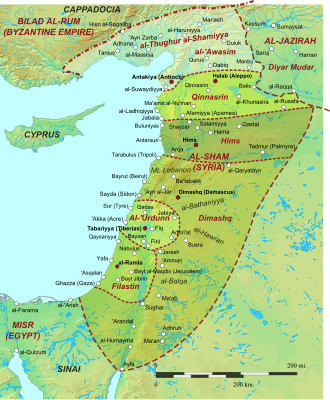
Before ascending to the caliphate, Sulayman served as the governor of the military district of Filastin (Palestine). During this tenure, he was mentored by the theologian Raja ibn Haywa and developed a strategic alliance with Yazid ibn al-Muhallab, a former governor of Khurasan and a bitter enemy of al-Hajjaj ibn Yusuf.
Al-Hajjaj, the powerful viceroy of Iraq and the eastern Caliphate, held significant influence over Sulayman's brother, Caliph al-Walid I. Sulayman used his position in Palestine to protect Yazid and the Muhallabid family, effectively creating a power base of opponents to al-Hajjaj's administration.
The Foundation of Ramla
One of Sulayman's most enduring legacies was the creation of Ramla. Seeking to establish his own administrative seat and leave a personal mark on the landscape, Sulayman founded the city to replace Lydda as the provincial capital. While some accounts suggest he was motivated by a lack of available space in Lydda or a desire to move away from the city's strong Christian ethos, others highlight his ambition to emulate the great building projects of his father and brother.
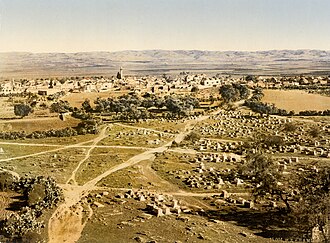
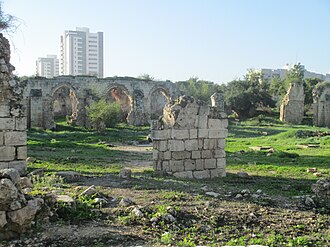
The new city became an economic hub specializing in pottery, weaving, and dyeing. Sulayman commissioned the White Mosque as the city's congregational center and constructed the al-Barada aqueduct to bring water from Tel Gezer, located approximately 10 kilometers to the southeast. This urban shift led to the decline of Lydda, as many of its inhabitants were relocated to the burgeoning capital.
The Caliphate and Political Struggles
Sulayman's path to the caliphate was not without conflict. In 714, Caliph al-Walid I attempted to bypass the original succession plans—which named Sulayman as heir—to install his own son, Abd al-Aziz. Despite financial incentives and political pressure, Sulayman refused to step aside. Upon the death of al-Walid on February 24, 715, Sulayman acceded to the throne unopposed.
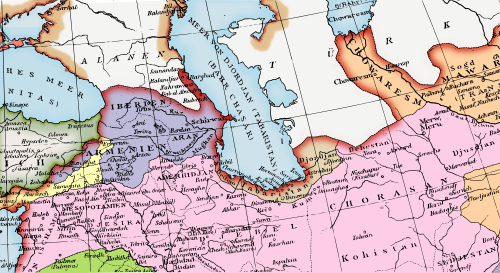
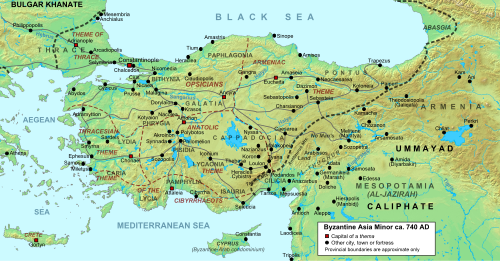
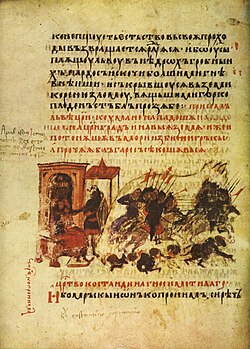
His reign saw continued expansion and military efforts, including campaigns in Transoxiana and the southern Caspian coast (Tabaristan and Jurjan), as well as the ambitious but unsuccessful siege of Constantinople.
Architectural Legacy
Beyond Ramla, Sulayman contributed to the architectural grandeur of the empire. He is credited with the construction of the Great Umayyad Mosque of Aleppo, continuing the Umayyad tradition of establishing monumental religious structures across their territories.
![The Great Umayyad Mosque of Aleppo was built by Sulayman,[105] the current structure reflects later reconstructions](/images/4e/2e/4e2ec8cb398ab9e1e194046671bad15eea082df0973930911cda949b3238e91c.jpg)
Death and Family Legacy
Sulayman's reign ended abruptly when he fell ill after Friday prayers in September 717. He died in Dabiq, where he was also buried. He was succeeded by his cousin, Umar ibn Abd al-Aziz (Umar II).
Sulayman had a large family, including numerous sons from four different wives. His descendants remained influential in Palestine, maintaining ties with the Yamani tribal nobility. While some of his lineage continued in the Umayyad emirate of al-Andalus (Spain), their properties in Palestine were eventually confiscated following the Abbasid Revolution in 750.
Summary of Sulayman's Reign
| Category | Details |
|---|---|
| Title | 7th Umayyad Caliph (Amir al-Mu'minin) |
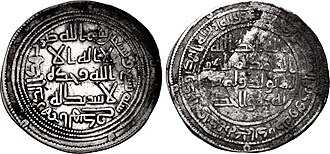
| Reign Period | 715 – 717 CE |
| Key City Founded | Ramla (Palestine) |
| Major Works | White Mosque (Ramla), Great Mosque of Aleppo |
| Successor | Umar ibn Abd al-Aziz (Umar II) |
| Place of Death | Dabiq |
Frequently Asked Questions
Why did Sulayman found the city of Ramla?
Sulayman founded Ramla to serve as a new administrative capital for Palestine. His motives included personal ambition to be remembered as a great builder, the need for a site with more space for development than Lydda provided, and a desire for a city that better reflected the Islamic ethos of the Umayyad rulers.
Who was al-Hajjaj ibn Yusuf and why did Sulayman dislike him?
Al-Hajjaj ibn Yusuf was the powerful viceroy of Iraq and the eastern provinces. Sulayman resented al-Hajjaj's immense influence over his brother, Caliph al-Walid I, and spent much of his early career supporting al-Hajjaj's political opponents.
What was the significance of the White Mosque?
The White Mosque was the congregational mosque at the center of the newly founded city of Ramla. It served as a religious and social anchor for the city, though it was not fully completed until the reign of Sulayman's successor, Umar II.
How did Sulayman become Caliph despite al-Walid's attempts to change the succession?
Although Caliph al-Walid I tried to install his son Abd al-Aziz as the next caliph, Sulayman refused to accept financial bribes to step aside. When al-Walid died in 715, Sulayman was able to claim the caliphate unopposed based on the original arrangements made by his father, Abd al-Malik.
What happened to Sulayman's descendants after the Umayyad dynasty fell?
Following the Abbasid Revolution in 750, the Abbasids confiscated the family's properties in Palestine. However, some of Sulayman's descendants migrated to or remained in al-Andalus, where they lived under the Umayyad emirate and later caliphate.