Suicide: Risk Factors, Prevention, and Global Epidemiology
Suicide is a complex public health challenge involving the act of intentionally ending one's own life. It is a primary focus of psychiatry, clinical psychology, and clinical social work. While it affects individuals across all demographics, data indicates that the usual onset occurs most frequently between the ages of 15 to 30 and among those aged 70 and older.
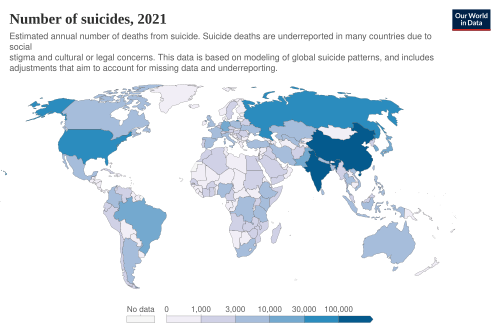
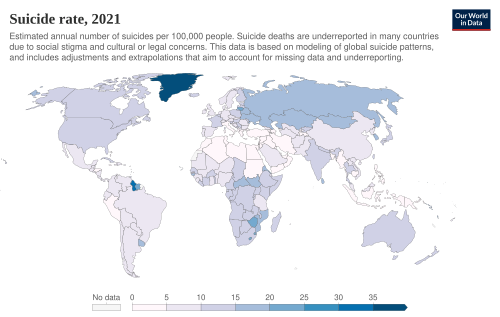
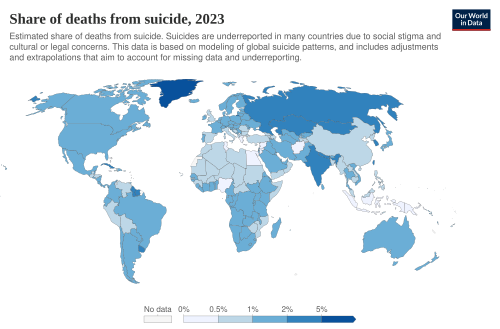
Global health estimates from 2021 show that suicide occurs at a rate of 8.9 per 100,000 people per year, accounting for approximately 727,000 deaths, which represents 1.1% of all global deaths.
Key Facts

- Global Impact: Approximately 727,000 people died by suicide in 2021.
- Primary Risk Factor: Diagnosed mental health problems are present in 50% of cases.
- High-Risk Ages: Peak onset periods are 15–30 years and 70+ years.
- US Statistics: The United States had the highest per capita rate of gun-related suicides from 1990 through 2019, accounting for 44% of global gun suicides in 2019.
- Prevention: Effective interventions include psychotherapy, antidepressants, lithium, and hospitalization.
Risk Factors and Contributing Causes
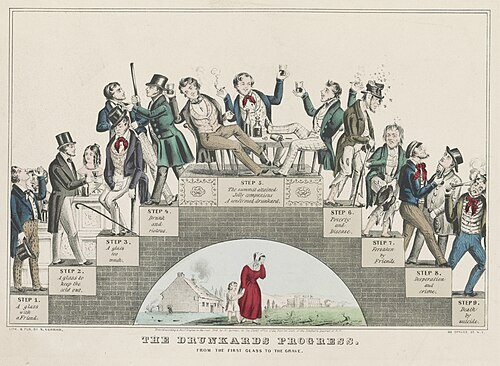
Suicide is rarely the result of a single event; rather, it often stems from a combination of psychological, situational, and biological factors. Mental illness remains the most significant contributor, but social and environmental crises also play a critical role.
| Category | Percentage of Cases |
|---|---|
| Diagnosed mental problem | 50% |
| Recent or upcoming crisis | 31% |
| Intimate partner problem | 27% |
| Physical health problem | 21% |
| Alcohol problem | 18% |
| Substance abuse (excluding alcohol) | 18% |
| Argument | 16% |
| Family problem | 10% |
| Job problem | 10% |
| Financial problem | 9% |
| Legal problem | 8% |
| Death of loved one | 7% |
Biological and Psychological Factors
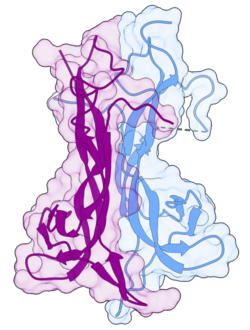
Research into the pathophysiology (the functional changes associated with a disease) of suicide explores neurobiological bases, including the role of BDNF (Brain-derived neurotrophic factor) and polyamines. Additionally, individuals with autism spectrum disorders, those experiencing sexual and gender variance, and people with borderline personality disorder may face heightened risks.
Environmental and Social Influences
External factors such as occupational stress, rural isolation, and exposure to local homicides can increase risk. The media also plays a significant role; the Werther effect describes a phenomenon where publicized suicides trigger copycat acts.

Prevention and Treatment
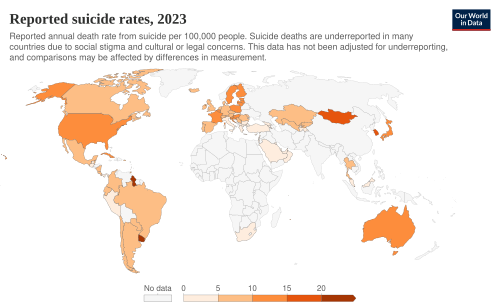
Suicide prevention requires a multi-faceted approach involving screening, medical intervention, and social support. Early identification of risk factors is essential for effective prevention.
Clinical Interventions
- Psychotherapy: Evidence-based talk therapy to address underlying emotional distress.
- Pharmacology: The use of antidepressants and lithium (particularly in bipolar disorder) to stabilize mood.
- Hospitalization: Providing a safe environment for those in immediate crisis.
- Specialized Care: Clozapine has been noted for its role in preventing suicide among patients with schizophrenia or schizoaffective disorder.
Community and Physical Safeguards
Reducing access to lethal means is a proven strategy. This includes the installation of suicide prevention fences on bridges and restricting access to firearms.

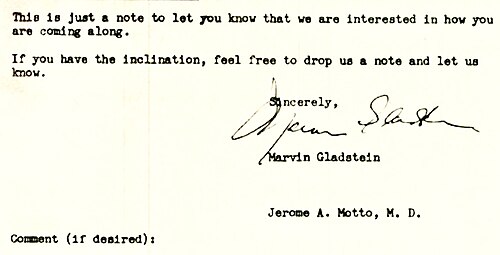
Personal outreach, such as "caring letters" sent to patients, has also been utilized as a method to foster connection and hope.
Epidemiology and Global Trends
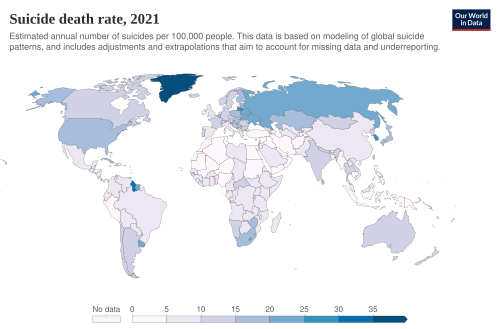
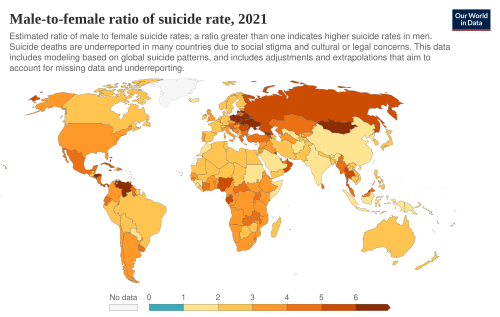
Suicide rates vary significantly by age, gender, and region. While the global average is 8.9 per 100,000, specific populations show higher vulnerability.
The Role of Firearms
In high-income countries, there is a stark difference between gun-related and non-gun-related suicide rates. The United States exhibits a particularly high prevalence of firearm-related deaths compared to other nations.
![Deaths by gun-related suicide versus non-gun-related suicide rates per 100,000 in high-income countries in 2010[216]](/images/57/8e/578e047bb3d399434162ae130a9aea2df34cc572581562bcac21a2fa335899e4.png)
![The US has had the largest number of gun-related suicides in the world every year from 1990 through at least 2019.[225] With 4% of the world's population, the US had 44% of global gun suicides in 2019, and the highest rate per capita.[225]](/images/38/3e/383e536ba384fd677a20840713f6cb3090f72f1e098eb12737c6bab0c25afff9.webp)
Demographic Variations
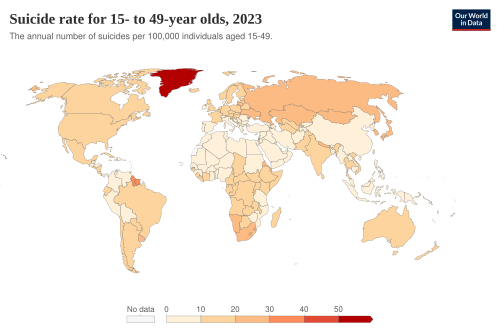
Data indicates distinct patterns in suicide rates based on age and gender, with specific peaks occurring in young adulthood and late seniority.
![Suicide rates by age[246]](/images/ca/f9/caf91e447a5b6ce0a3e4857a236a7cd387a79c0a5eae32bf88e5456f011d289d.webp)
Historical and Cultural Perspectives
The perception of suicide has evolved across different societies and eras, ranging from ritualized acts to legal prohibitions.
Ritual and Philosophy
In some cultures, suicide was historically viewed through a lens of honor or duty. Examples include seppuku (ritual abdomen-cutting) practiced by the Samurai in Japan, or the historical practice of Sati in Hinduism.



Religious and Legal Views
Major world religions, including Christianity, Judaism, Islam, and Jainism, have historically held adverse attitudes toward suicide. Legally, many countries have moved toward decriminalizing suicide attempts to ensure that those in crisis receive medical help rather than criminal punishment.
Frequently Asked Questions


![In this painting by Alexandre-Gabriel Decamps, the palette, pistol, and note lying on the floor suggest that the event has just taken place; an artist has taken his own life.[310]](/images/08/cd/08cdcbe35c138bbe4b71697712f30141b0af6c6794ca3ea5cd9ae8f8f82193ca.jpg)
What is the Werther effect?
The Werther effect is a phenomenon where the media reporting of a suicide, particularly of a high-profile individual or a romanticized character, leads to an increase in copycat suicides among the public.
What are the most common risk factors for suicide?
The most common risk factor is a diagnosed mental health problem, affecting 50% of cases. Other significant factors include recent crises (31%), intimate partner problems (27%), and physical health issues (21%).
How does the US compare to other countries in gun-related suicides?
The US has had the largest number of gun-related suicides globally every year from 1990 through at least 2019. In 2019, the US accounted for 44% of global gun suicides despite having only 4% of the world's population.
Can suicide be prevented?
Yes. Prevention strategies include clinical treatments like psychotherapy and antidepressants, restricting access to lethal means (such as bridge fences), and providing crisis intervention and social support.
At what ages is the risk of suicide highest?
The usual onset of suicidal behavior is most frequent in two primary age groups: young adults between 15 and 30 years old, and older adults aged 70 and above.