Schizophrenia: Symptoms, Causes, and Modern Management
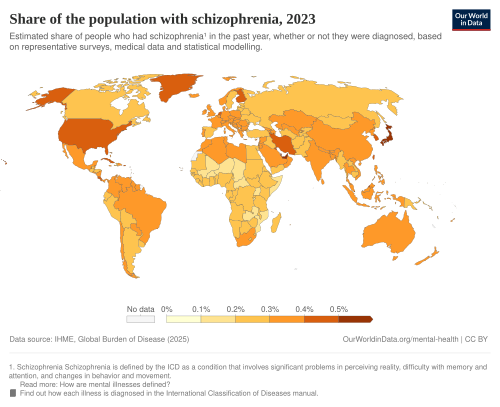
Schizophrenia is a complex, chronic psychiatric disorder that affects how a person thinks, feels, and behaves. Characterized by a disconnection from reality, it often manifests as a combination of cognitive, emotional, and behavioral challenges. While it is frequently misunderstood in popular culture, it is a treatable medical condition that affects approximately 0.32% (1 in 300) of the global population.
The condition typically emerges in young adulthood, with the usual onset occurring between the ages of 16 and 30. Because it is a chronic illness, long-term management is essential to improve the quality of life and address the significant impact it has on life expectancy.
Key Facts
- Global Prevalence: Affects roughly 1 in 300 people worldwide.
- Typical Onset: Most commonly diagnosed between ages 16 and 30.
- Core Symptoms: Includes hallucinations, delusions, and disorganized thinking.
- Life Expectancy: Individuals may face a shorter life expectancy by 20 to 28 years.
- Primary Treatment: Managed through a combination of antipsychotic medications and psychosocial support.
Signs and Symptoms
The symptoms of schizophrenia are generally categorized into three main groups: positive, negative, and cognitive.
Positive Symptoms
Positive symptoms are "added" behaviors or experiences that are not present in healthy individuals. These include hallucinations (sensing things that aren't there, such as hearing voices) and delusions (strong beliefs that are not based in reality). Disorganized thinking or behavior, such as fragmented speech or erratic actions, also falls into this category.

Negative Symptoms
Negative symptoms refer to the "loss" of normal functions. This may manifest as a flat or inappropriate affect (reduced emotional expression), social withdrawal, or a lack of motivation and pleasure in daily activities.
Cognitive Symptoms
Cognitive deficits often involve struggles with executive function, memory, and attention. These challenges can make it difficult for individuals to process information or maintain a focused train of thought.
Causes and Risk Factors
Schizophrenia does not have a single cause; rather, it results from a complex interaction between genetic and environmental factors.
Genetic and Biological Factors
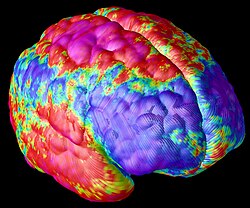
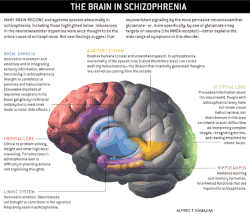
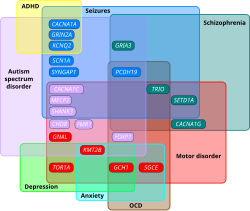
Genetics play a significant role, with certain genes increasing susceptibility. Research indicates overlapping clinical phenotypes between schizophrenia and other conditions such as autism spectrum disorder (ASD), epilepsy, and dystonia. Neurologically, the disorder is associated with deficits in neural tissue across various brain regions and dysregulation of the dopamine system.
Environmental and External Triggers
Several environmental factors may contribute to the onset of the disorder, including:
- Substance Use: Cannabis use has been linked to the development of the condition.
- Prenatal/Early Life: Childhood infections and certain viral exposures (such as herpes simplex virus) are areas of scientific study.
- Other Factors: Research has explored the roles of vitamin D deficiency and the stress associated with migration.
Diagnosis and Management
Diagnosis is primarily clinical, based on observed behavior, the patient's reported experiences, and reports from family members or others familiar with the person. While neuroimaging techniques can provide insight into brain structure, they are not the primary diagnostic tool.
Medical Treatment
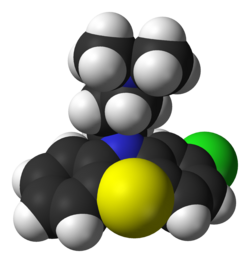
Antipsychotics are the cornerstone of pharmacological treatment. These medications help manage positive symptoms by regulating brain chemistry. Early treatments included chlorpromazine in the 1950s, while modern care often utilizes atypical antipsychotics like Risperidone.

Psychosocial Interventions
Medication is most effective when paired with daily interventions and support systems, including:
- Counseling and psychotherapy.
- Life skills training to foster independence.
- Cognitive remediation to address cognitive deficits.
- Physical activity and aerobic exercise to improve cognitive functioning.
Summary of Schizophrenia Overview
| Feature | Details |
|---|---|
| Prevalence | ~0.32% of global population |
| Typical Onset | 16 to 30 years old |
| Primary Symptoms | Hallucinations, delusions, disorganized thinking, flat affect |
| Main Treatments | Antipsychotics, counseling, life skills training |
| Prognosis | Chronic; 20–28 years shorter life expectancy |
History and Society
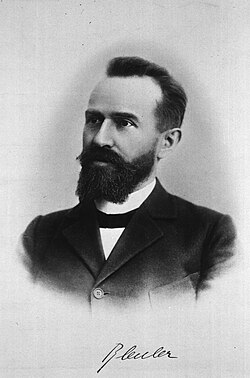
The term "schizophrenia" was coined by Eugen Bleuler to describe the "splitting" of mental functions. Over time, the understanding of the disorder has evolved from early, often harsh historical treatments to a more holistic, medical approach.
Despite medical progress, stigma remains a significant barrier. Cultural depictions often misrepresent the disorder, though real-life examples—such as the mathematician John Nash—demonstrate that individuals with schizophrenia can achieve extraordinary intellectual success.


Frequently Asked Questions
What is the difference between positive and negative symptoms?
Positive symptoms are additions to a person's experience, such as hallucinations or delusions. Negative symptoms are things that are taken away or diminished, such as emotional expression or social motivation.
Can schizophrenia be cured?
Schizophrenia is considered a chronic condition, meaning there is no permanent cure. However, it is highly manageable with a combination of medication and psychosocial support, allowing many individuals to lead fulfilling lives.
What are the most common medications used?
Antipsychotics are the primary medications used. These include first-generation antipsychotics (like chlorpromazine) and second-generation atypical antipsychotics (like risperidone).
How does schizophrenia affect life expectancy?
On average, people with schizophrenia have a life expectancy that is 20 to 28 years shorter than the general population, often due to comorbid health issues and systemic barriers to care.
Is schizophrenia caused by genetics alone?
No. While genetics increase susceptibility, the disorder typically results from a combination of genetic predisposition and environmental triggers, such as substance use or prenatal stressors.