Stratification: Simulating Natural Conditions for Seed Germination
In the world of horticulture, not every seed is ready to grow the moment it hits the soil. Many species possess an embryonic dormancy phase, a biological state that prevents the seed from sprouting until specific environmental conditions are met. To overcome this, gardeners and botanists use a process called stratification.
Stratification is the practice of treating seeds to simulate the natural conditions they must experience in the wild before germination can occur. This technique has been documented since at least 1664 in John Evelyn's Sylva, or A Discourse of Forest-Trees and the Propagation of Timber, where seeds were layered between moist soil and exposed to winter conditions.
Key Facts
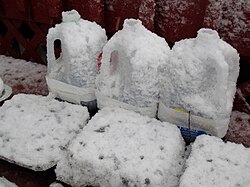
- Purpose: Breaks seed dormancy to encourage germination.
- Cold Stratification Temp: Ideally +1 to +3 °C (34 to 37 °F).
- Warm Stratification Temp: 15–20 °C (59–68 °F).
- Duration: Typically one to three months for cold treatment.
- Common Media: Vermiculite, peat, or sand.
Cold Stratification
Cold stratification involves subjecting seeds to both cold and moist conditions. This is essential for many perennials, shrubs, and trees. In nature, this happens as seeds spend the winter in the ground, where frost and weathering soften the hard seed coat. This process triggers the embryo to grow and eventually break through the softened exterior in search of nutrients and sunlight.
To replicate this artificially, seeds are placed in a moist medium—such as vermiculite (a mineral used for moisture retention), peat, or sand—and kept in a sealed container or plastic bag inside a refrigerator. To accelerate the process, seeds can be soaked in cold water for 6–12 hours before stratification begins, as moisture is required to enable the necessary chemical changes.
Preventing Disease
Because moist, cool environments can attract mold, fungicides are often used to treat the stratifying medium. For example, Chinosol (8-quinolyl potassium sulfate) is used to inhibit infections caused by Botrytis cinerea.
Warm Stratification
Some seed species require a period of warm stratification before they can undergo cold treatment. Warm stratification requires temperatures between 15–20 °C (59–68 °F). For these species, the seeds are first kept in a warm area and then moved to a refrigerator for the cold period.
Alternatively, these requirements can be met by planting seeds in a mulched bed during the summer. In such cases, the seeds may germinate the following spring, though some species may not sprout until the second spring.
Stratification Summary
| Method | Temperature Range | Typical Duration | Purpose |
|---|---|---|---|
| Cold Stratification | +1 to +3 °C (34 to 37 °F) | 1 to 3 Months | Simulate winter; soften seed coat |
| Warm Stratification | 15 to 20 °C (59 to 68 °F) | Varies | Initial dormancy break before cold period |
Frequently Asked Questions
What is the difference between stratification and scarification?
While stratification simulates environmental conditions (like temperature and moisture) to break dormancy, scarification is the process of making the seed coat more permeable to improve germination.
How does vernalization differ from stratification?
Stratification is the pretreatment of seeds to induce germination, whereas vernalization is the induction of flowering using cold temperatures.
Can I just plant seeds in the garden instead of using a refrigerator?
Yes. For seeds requiring warm then cold stratification, planting them in a mulched bed during the summer allows them to experience natural seasonal changes, leading to germination in the first or second spring.
Why should I soak seeds before cold stratification?
Soaking seeds in cold water for 6–12 hours helps them absorb moisture more quickly, which can reduce the total amount of time needed for the stratification process.
What materials are best for holding seeds during stratification?
Seeds are typically placed in a moist medium such as sand, peat, or vermiculite and stored in a sealed container or plastic bag to maintain humidity.