Steel: Properties, Production, and Industrial Evolution
Steel is a high-performance alloy of iron and carbon that serves as a cornerstone of modern civilization. By combining these elements, engineers create a material with mechanical properties far superior to pure iron, including a high elastic modulus, impressive yield strength, and significant fracture strength. Because it balances these strengths with relatively low raw material costs, steel is among the most widely manufactured materials on Earth.
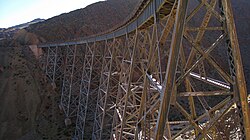
From the skeletal frames of skyscrapers and the spans of massive bridges to the precision of surgical instruments and the hulls of ships, steel is ubiquitous. It is essential for infrastructure, transportation, electrical appliances, and various industrial tools.
Key Facts
- Composition: Primarily iron and carbon, with carbon content typically not exceeding 2%.
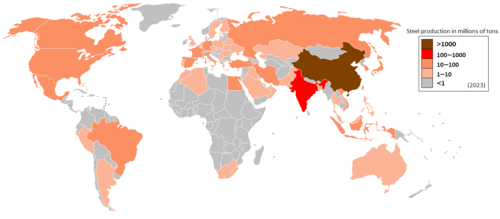
- Global Production: China is the leading producer, accounting for 54% of world steel in 2023.
- Sustainability: One of the most recycled materials globally, with a recycling rate exceeding 60%.
- Versatility: Available in various grades, including stainless and galvanized, to resist corrosion.
- Density: Generally ranges between 7,750 and 8,050 kg/m³.
The Science of Steel: Material Properties
At its core, steel is defined by the relationship between iron and carbon. While iron and carbon are the primary components, other elements are added to create specific grades of steel with tailored microstructural and mechanical properties. For instance, stainless steels typically contain 18% chromium to improve resistance to oxidation and corrosion. Other varieties, such as galvanized steel, utilize a zinc coating for similar protective effects.
Crystalline Structures and Phases
Under standard atmospheric pressure, steel generally exists in two crystalline forms: body-centered cubic (BCC) and face-centered cubic (FCC). The specific microstructure depends on the thermal history and the alloying elements used.
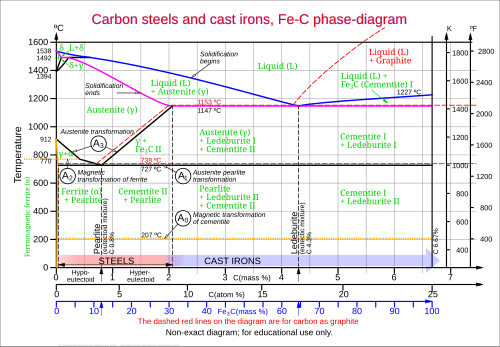
- Ferrite: The inclusion of carbon in alpha iron (BCC structure), which is stable at room temperature.
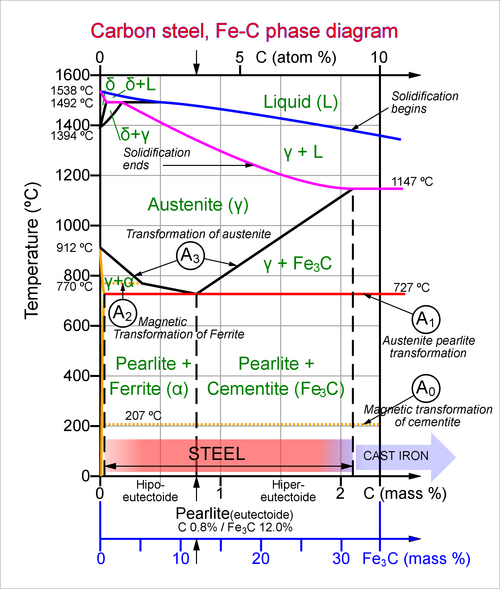
- Austenite: The inclusion of carbon in gamma iron (FCC structure), which forms at 910 °C and can dissolve significantly more carbon (up to 2.1%).
- Cementite: A very hard but brittle material (Fe₃C) that forms when carbon moves out of solution with iron.
- Martensite: A distorted tetragonal phase resulting from specific thermal treatments.
The strengthening of steel occurs primarily because carbon atoms enter the iron lattice, inhibiting deformation under mechanical stress. However, this increase in strength usually comes at the cost of ductility and elongation compared to pure iron.
Heat Treatment and Phase Diagrams
Understanding the critical temperatures (A0, A1, A2, and A3) is essential for heat treatment, allowing manufacturers to manipulate the steel's hardness and flexibility by transitioning between different phases.
The History of Steel Production
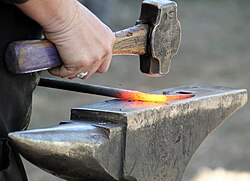
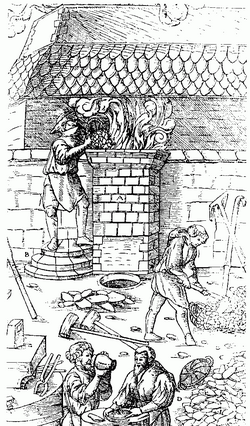
For millennia, steel was produced in bloomery furnaces, small-scale operations used from the 5th to the 15th centuries. Early advancements appeared in China during the Warring States period (403–221 BC) with quench-hardened steel, and later in the Han dynasty through the melting of wrought and cast iron. Evidence also suggests that ancestors of the Haya people in Western Tanzania produced carbon steel 2,000 years ago using complex pre-heating techniques to reach temperatures of 1,300 to 1,400 °C.
The Industrial Revolution and Mass Production
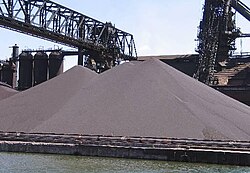
Large-scale industrial use accelerated in the 17th century with the introduction of the blast furnace and crucible steel. A pivotal shift occurred in the mid-19th century with the Bessemer process in England, which enabled the mass production of mild steel to replace wrought iron. This was followed by the development of the open-hearth furnace.
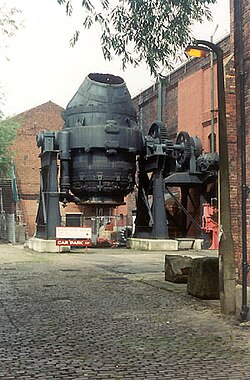
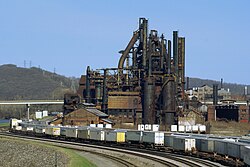
During the 19th century, the German states led European production. In the United States, the industry was concentrated in Pittsburgh, Cleveland, and Bethlehem, Pennsylvania, until the late 20th century.
Modern Manufacturing
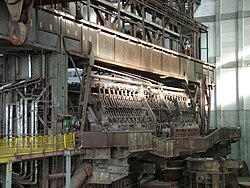
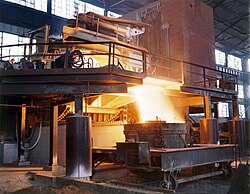
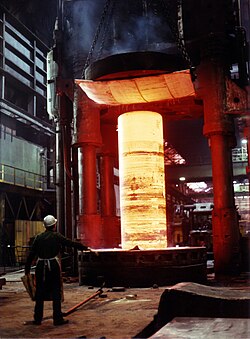
Today, steel is produced using advanced methods, including the electric arc furnace, which can melt scrap steel into white-hot liquid ready for casting.
Applications and Varieties of Steel
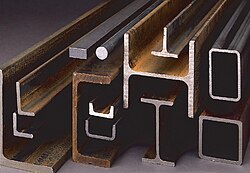
Steel is categorized based on its form and intended use, ranging from heavy structural members to delicate precision tools.
| Steel Type | Key Characteristics | Primary Uses |
|---|---|---|
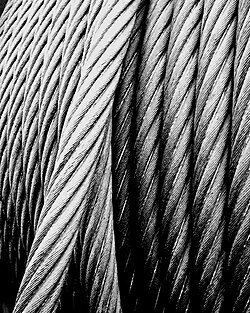
| Long Carbon Steel | High structural strength | Reinforcing bars (rebar), railroad tracks, bridges, wires |
| Flat Carbon Steel | Versatile shaping | Major appliances, magnetic cores |
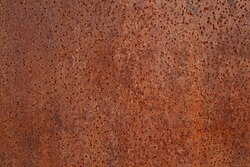
| Weathering (COR-TEN) | Protective rust coating | Intermodal containers, outdoor sculptures, architecture |
| Stainless Steel | Corrosion and oxidation resistance | Cutlery, surgical instruments, spacecraft components, jewelry |
Specialized Uses
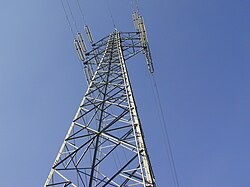
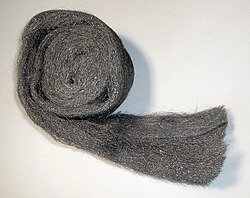
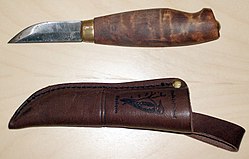
Beyond construction, steel is used in specialized forms such as steel wool for cleaning and high-carbon steel for knives. In infrastructure, steel pylons are critical for suspending overhead power lines.
Sustainability and Recycling
Steel is one of the most recycled materials in the world. Globally, the recycling rate exceeds 60%. In the United States, the rate has reached as high as 83%, with over 82 million metric tons recycled in 2008 alone.
While the total volume of steel produced continues to grow, recycled raw materials account for approximately 40% of total global production. For example, in 2016, of the 1.628 billion tonnes of crude steel produced, 630 million tonnes were recycled.
Frequently Asked Questions

What is the difference between steel and iron?
Iron is a pure chemical element, while steel is an alloy consisting primarily of iron and a small amount of carbon (usually under 2%). This addition of carbon significantly improves the material's strength and hardness.
Why is stainless steel resistant to rust?
Stainless steel contains chromium (typically around 18%), which reacts with oxygen to form a thin, invisible layer of chromium oxide on the surface. This layer prevents further corrosion and oxidation.
What is the role of carbon in steel?
Carbon acts as a strengthening agent. It enters the iron lattice and inhibits the movement of atoms, which prevents the metal from deforming under mechanical stress, thereby increasing its yield and fracture strength.
Which country produces the most steel today?
China is currently the world's largest steel producer, accounting for 54% of global production as of 2023.
What are ferrite and austenite?
Ferrite is a soft form of iron with a body-centered cubic structure that contains a very small amount of carbon. Austenite is a face-centered cubic structure that forms at high temperatures and can dissolve much more carbon.