Steamboats: The Evolution of Steam-Powered Marine Travel
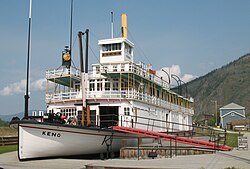
A steamboat is a vessel propelled primarily by steam power, which typically drives either propellers or paddlewheels. While the term is often used for smaller vessels operating on lakes, rivers, and in short-sea shipping, this technology paved the way for the larger, ocean-going steamship. These vessels revolutionized global trade and travel by removing the dependence on wind and currents.
In maritime nomenclature, these ships are often identified by prefixes: SS (or S.S./S/S) for "Screw Steamer" and PS for "Paddle Steamer," though these designations are most frequently applied to larger steamships.
Key Facts
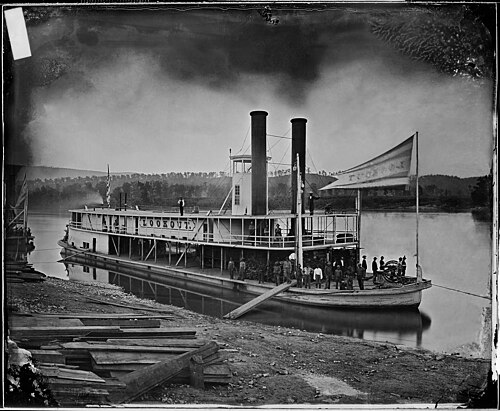
- First Steamship: The Pyroscaphe, built in France in 1783, was the first steam-powered ship.
- Commercial Success: Robert Fulton's North River Steamboat (1807) was the first commercially successful steamboat.
- Ocean Crossing: The SS Savannah (1819) was the first steam-powered ship to cross the Atlantic Ocean.
- Propulsion Types: Early boats relied on paddlewheels; later designs transitioned to screw propellers and steam turbines.
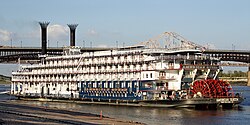
- Modern Legacy: The American Queen remains the world's largest operating river steamboat.
Early Designs and Pioneers
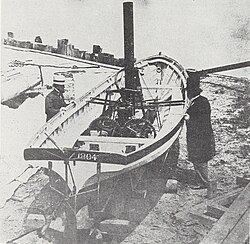
The journey of steam navigation began in France in 1783 with the Pyroscaphe, a paddle steamer created by Marquis Claude de Jouffroy. While it successfully traveled upstream on the river Saône for fifteen minutes, political instability and a lack of funding during the French Revolution halted further development.
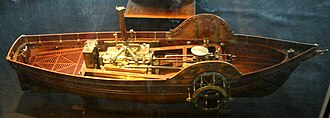
Simultaneously, efforts were underway in the English-speaking world. In 1787, John Fitch trialled a steamboat in Philadelphia, later operating a commercial service on the Delaware River between Philadelphia and Burlington, New Jersey. Despite carrying up to 30 passengers at speeds of 7 to 8 mph, Fitch's venture failed commercially because existing wagon roads provided adequate competition.
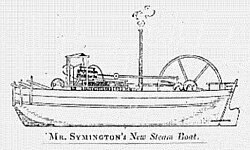
In Scotland, William Symington advanced the technology. In 1801, he patented a horizontal steam engine linked to a crank. This led to the creation of the Charlotte Dundas, which featured a central paddle wheel designed to protect canal banks from erosion.
The Rise of Commercial Steam Navigation
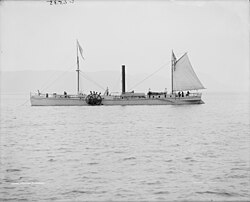
The turning point for the industry came in 1807 when Robert Fulton launched the North River Steamboat (later known as the Clermont). Utilizing a Boulton and Watt engine, it provided a reliable passenger service between New York City and Albany, completing the 150-mile trip in 32 hours. This success proved that steam power was viable for long-distance commercial transport.
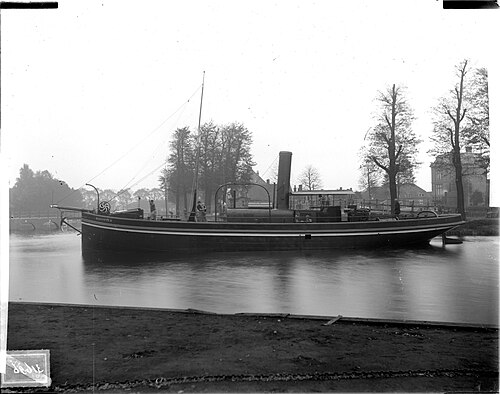
By 1815, the Margery became the first steamboat on the River Thames, eventually becoming the first to cross the English Channel before being renamed the Elise and operating on the Seine in Paris.
Expansion into Sea and Ocean Travel
As technology improved, steamboats moved from calm rivers to the open sea. Richard Wright's Experiment became the first sea-going steamboat in 1813, traveling from Leeds to Yarmouth. Shortly after, in 1817, the first tugboat, named Tug, was launched in Port Glasgow.
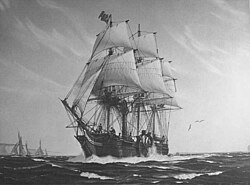
The SS Savannah marked a historic milestone in 1819 as the first steam-powered vessel to cross the Atlantic Ocean, signaling the beginning of a new era in international maritime travel.
Steamboating in the United States
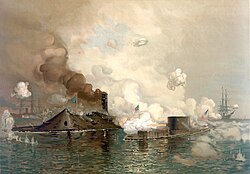
The United States saw an explosion of steam activity, particularly on its vast river systems. Following Fulton's success, river steamboats began operating from Pittsburgh down the Ohio River to the Mississippi and New Orleans by 1811. On the Great Lakes, the Ontario began commercial traffic in 1817.
West Coast Development
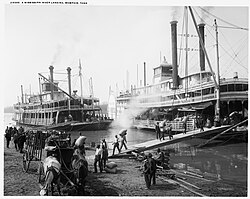
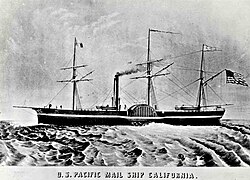
In the mid-1840s, the acquisition of Oregon and California expanded steam traffic to the West Coast. The U.S. government subsidized the Pacific Mail Steamship Company to establish routes between Panama City and San Francisco. This was a critical link for miners heading to the gold fields, with ships like the SS McKim transporting supplies from San Francisco up the Sacramento–San Joaquin River Delta.
The Golden Age of Riverboats
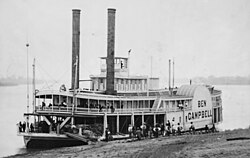
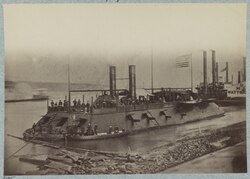
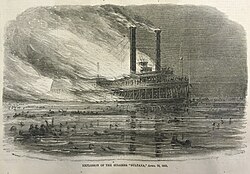
From 1844 to 1857, "palace steamers" offered luxury travel on the Great Lakes. On the Mississippi, the industry grew despite risks of boiler explosions and fires. This era also saw the emergence of female captains; Mary Millicent Miller became the first woman to earn a steamboat master's license in 1884, followed by Callie Leach French and Blanche Douglass Leathers.
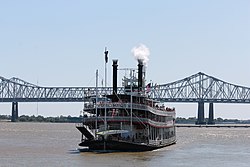
Today, the American Queen stands as the largest operating river steamboat in the world, preserving the legacy of the Mississippi's steam era.
Technical Evolution of Steam Propulsion
The efficiency of steamboats improved through several key engineering milestones:
- Piston Rings (1854): Steel replaced cotton seals, increasing durability.
- Allen Steam Engine (1862): Allowed for speeds 3 to 5 times higher than previous models.
- Water Tube Boilers (1867): Reduced the risk of explosive boiler failures.
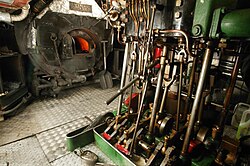
- Triple Expansion Engine (1881): Greatly increased fuel efficiency by reusing steam across three cylinders.
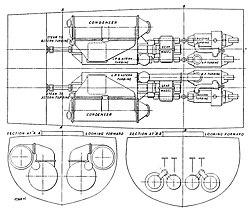
- Steam Turbine (1884): Provided a more powerful and smooth rotation for propellers.
Global Impact and Regional Use
| Region | Key Contribution / Vessel | Primary Use |
|---|---|---|
| France | Pyroscaphe (1783) | Early experimentation and river travel. |
| USA | North River Steamboat (1807) | Commercial passenger and freight transport. |
| Great Britain | SL Dolly (1850) | Private launches and ferry services. |
| Canada | Caledonia (1891) | Trade and gold rush transport on the Skeena River. |
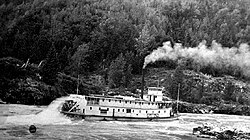
In Canada, the Skeena River relied heavily on sternwheelers like the Caledonia to navigate the Kitselas Canyon for the fish industry and gold rush. In Great Britain, the Lake District's Windermere became famous for elegant steam launches used for commuting and private parties.
Frequently Asked Questions

What is the difference between a steamboat and a steamship?
A steamboat generally refers to smaller vessels used on rivers, lakes, or short coastal routes. A steamship is a larger, seaworthy vessel designed for ocean-going travel.
Who invented the first commercially successful steamboat?
Robert Fulton is credited with the first commercially successful steamboat, the North River Steamboat (later called the Clermont), launched in 1807.
What were the primary methods of propulsion for steamboats?
Early steamboats primarily used paddlewheels (either side-wheels or stern-wheels). Later designs transitioned to screw propellers and eventually steam turbines for greater efficiency and power.
Which was the first steam-powered ship to cross the Atlantic?
The SS Savannah was the first steam-powered ship to cross the Atlantic Ocean in 1819.
Were there women steamboat captains in the 19th century?
Yes. Mary Millicent Miller earned her master's license in 1884, and Callie Leach French became a licensed master on the Mississippi River in 1892.