Mississippi River Steamboats: The Engines of 19th Century Commerce
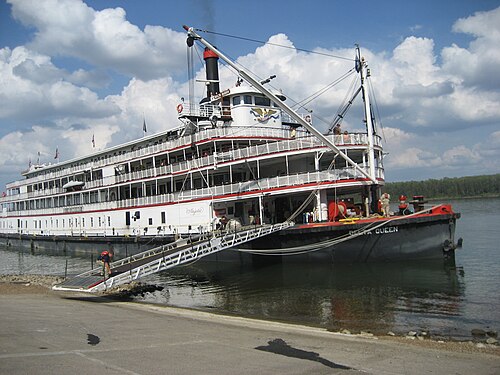
During the 19th century, steamboats revolutionized the development of the Mississippi River and its tributaries. By harnessing steam power, these vessels enabled the practical, large-scale transport of freight and passengers, overcoming the formidable challenge of navigating strong upriver currents and shallow waters. While the rise of railroads eventually shifted passenger traffic to faster rails, steamboats remained vital to river commerce well into the early 20th century, with a few still operating today for tourist excursions.
Key Facts
- First Vessel: The New Orleans (1811) was the first steamboat on the Mississippi.
- Design Shift: The transition from heavy side-wheelers to lightweight stern-wheelers with high-pressure engines made river navigation practical.
- Innovation: The Washington (1816) introduced the two-deck design, separating cargo and passengers.
- Safety Crisis: Poor construction and lack of regulation led to an estimated 7,000 boiler-related deaths between 1811 and 1853.
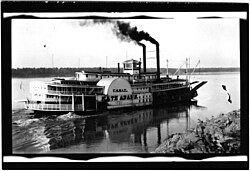
- Endurance: Some advanced vessels, like the steel-hulled Kate Adams, operated into the late 1920s.
The Evolution of the Western Rivers Steamboat
The prototypical Mississippi steamboat, often called the Western Rivers steamboat, evolved from the early designs of pioneers such as Robert Fulton, Oliver Evans, and Daniel French. The first six years of development saw a rapid transition from inefficient, heavy designs to vessels optimized for the unique geography of the American interior.
The Early Pioneers: New Orleans and Comet
The New Orleans, launched in 1811, marked the beginning of the era. Designed by Robert Fulton and Robert Livingston, she was a heavy side-wheeler with a deep draft and an inefficient low-pressure Boulton and Watt engine. This design proved poorly suited for the shallow, shifting waters of the river system.
In 1813, the Comet introduced a critical shift. Smaller and more efficient, the Comet utilized a high-pressure engine designed by Daniel French to power a stern paddlewheel (a wheel located at the rear of the boat), which provided better maneuverability and efficiency.
The Breakthrough: Enterprise and Washington
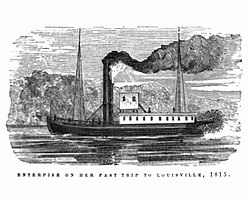
The Enterprise (1814) further refined the high-pressure, shoal-draft design. Her capabilities were proven during a historic voyage of over 2,000 miles from New Orleans to Brownsville, battling powerful currents that had hindered earlier vessels.
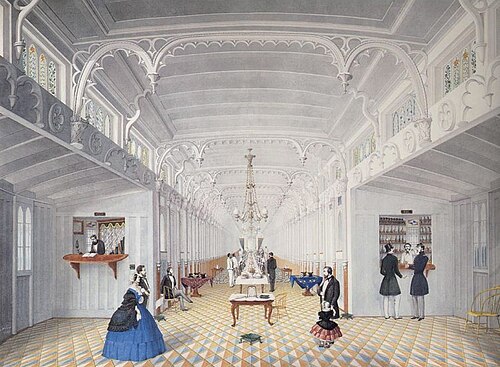
By 1816, the Washington introduced the iconic two-deck configuration. By placing the boiler and machinery on the main deck and passengers on an upper deck, the boat maximized cargo space while maintaining a shallow draft of only 4 feet. In 1817, the Washington matched the speed record of the Enterprise, traveling from New Orleans to Louisville in just 25 days.
The Danger of the Steam Age: Boiler Explosions
Despite their economic utility, early steamboats were perilous. Between 1811 and 1853, catastrophic boiler explosions caused approximately 7,000 fatalities. The danger stemmed from a combination of primitive metallurgy and reckless operation.
Early boilers were constructed from small pieces of riveted cast iron because large, strong metal sheets were not yet available. These boilers were often poorly made and pushed far beyond their design limits by engineers who did not fully understand the mechanics of steam pressure. With no regulatory oversight or mandatory insurance, operators had little incentive to prioritize safety over speed and profit.
The frequency of these disasters was noted by contemporary observers; Charles Dickens remarked in 1842 that American steamboats seemed to "blow up one or two a week in the season." Notable tragedies included the explosion of the Teche in 1825, which killed 60 people, followed by a string of failures involving vessels like the Union, Hornet, and Moselle.
Summary of Early Mississippi Steamboats
| Vessel | Launch Year | Key Feature | Significance |
|---|---|---|---|
| New Orleans | 1811 | Side-wheeler, deep draft | First Mississippi steamboat |
| Comet | 1813 | High-pressure engine, stern wheel | First efficient lightweight design |
| Enterprise | 1814 | Shoal draft, stern wheel | Proven long-distance capability |
| Washington | 1816 | Two-deck configuration | Predecessor to modern riverboats |
Frequently Asked Questions
Why were early steamboats prone to explosions?
Explosions were caused by boilers made of small, riveted cast iron pieces that were prone to failure, combined with a lack of regulatory inspections and engineers pushing engines beyond their safe operating limits.
What is a stern paddlewheel?
A stern paddlewheel is a propulsion system where the wheel is located at the rear of the vessel, which proved more efficient for navigating the shallow and current-heavy waters of the Mississippi than side-wheels.
How did the Washington change steamboat design?
The Washington was the first steamboat to feature two decks, allowing the main deck to house the boiler and machinery while the upper deck served passengers, thereby increasing the available space for cargo.
When did steamboats stop being the primary mode of transport?
Passenger traffic gradually shifted to railroads after their development due to the increased speed of rail travel, though steamboats continued to support river commerce into the early 20th century.
Who were the key designers of these vessels?
Key figures included Robert Fulton and Robert Livingston, who launched the first vessel, and Daniel French, whose high-pressure engines and stern-wheel designs became the standard for Western Rivers steamboats.