Light Industry: Characteristics, Sectors, and Economic Impact
In the world of manufacturing, industries are often categorized by their scale, resource requirements, and the nature of their output. Light industry refers to manufacturing activities that are typically less capital-intensive than heavy industries and are primarily consumer-oriented. Unlike heavy industry, which often creates intermediate components for other businesses, light industry focuses on producing smaller goods intended for the end user.
One formal definition describes light industry as a manufacturing activity that utilizes moderate amounts of partially processed materials to produce items that hold a relatively high value per unit weight.
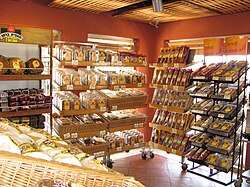
Key Facts
- Consumer Focus: Produces finished goods for end users rather than intermediate materials for other industries.
- Resource Efficiency: Requires less power, space, and raw materials compared to heavy industry.
- Zoning: Due to a generally smaller environmental footprint, these facilities are more frequently permitted near residential areas.
- Economic Sequence: Historically, light industry often developed before heavy industry during the later stages of the Industrial Revolution.
Core Characteristics of Light Industry
The primary distinction between light and heavy industry lies in the scale of production and the impact on the surrounding environment. Light industries generally require fewer raw materials and less energy to operate. Because they typically cause less pollution, they are more compatible with urban zoning laws.
However, a smaller scale does not always guarantee a lack of environmental risk. Certain sectors, such as electronics manufacturing, can produce significant pollution if not managed correctly. The use of solder and various cleaning or degreasing agents can lead to harmful levels of chemical waste or lead contamination in the soil.

Industry Sectors and Product Categories
Light industry spans a vast array of sectors, ranging from essential food production to high-tech consumer electronics. These sectors are characterized by their ability to turn partially processed materials into high-value retail products.
Major Industrial Sectors
- Food industry
- Textiles and leather industry
- Paper making
- Plastics
- Household electric appliances
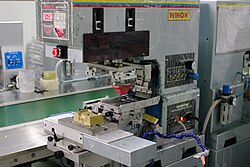
Common General-Use Products
The output of light industry fills most shelves in retail stores, including:
- Home and Kitchen: Dining products, cleaning and storage solutions, and home textiles.
- Personal Care: Beauty products and personal care items.
- Accessories: Eyewear, clocks, and watches.
- Miscellaneous: Gardening tools, household sundries, and advertising and packaging materials.
Historical Context
The term "light industry" has been recognized in the English language since at least 1916, according to the Oxford English Dictionary. From a historical perspective, the evolution of industrialization often followed a specific pattern. In England and other industrialized nations, the industrial factory sector—primarily consisting of light industry—tended to emerge first. This was followed by the first processing cycle (such as iron smelting and steelmaking) and transport, and finally by the second processing cycle, which included heavy engineering and the chemical industry.
| Feature | Light Industry | Heavy Industry |
|---|---|---|
| Primary Target | End consumers | Other businesses (Intermediates) |
| Capital Intensity | Lower | Higher |
| Resource Needs | Moderate raw materials/power | Massive raw materials/power |
| Environmental Impact | Generally lower | Generally higher |
| Zoning Location | Often near residential areas | Typically isolated from residential areas |
Frequently Asked Questions
What is the main difference between light and heavy industry?
Light industry is more consumer-oriented, less capital-intensive, and produces smaller goods for end users, whereas heavy industry is business-oriented and produces large-scale intermediate goods.
Is light industry always environmentally friendly?
While light industry generally has a smaller environmental impact than heavy industry, some sectors can be hazardous. For example, electronics manufacturing can cause soil contamination through lead or chemical waste if solder and degreasing agents are not handled properly.
Why is light industry often located near residential areas?
Because light industry facilities typically produce less pollution and have a smaller environmental footprint, zoning laws are more likely to permit them in proximity to where people live.
Which industry typically develops first during industrialization?
Historically, the development of light industry tended to precede that of heavy industry during the later stages of the Industrial Revolution.
What are some examples of light industry products?
Examples include household electric appliances, textiles, beauty and personal care products, eyewear, and packaged food items.