Beavers: Nature's Master Engineers of the Wetlands
Beavers are among the most influential animals on Earth, possessing the unique ability to physically reshape their environments. As semi-aquatic rodents, they transform simple streams into complex wetland ecosystems, creating habitats that support a vast array of other species. From the forests of North America to the riverbanks of Eurasia, these creatures act as ecosystem engineers, modifying the landscape to suit their survival needs.
The modern beaver belongs to the genus Castor, with a temporal range extending from the Late Miocene to the present day. While several extinct species once existed, such as C. californicus and C. praefiber, only two species remain today: the North American beaver (Castor canadensis) and the Eurasian beaver (Castor fiber).
Key Facts
- Scientific Classification: Order Rodentia, Family Castoridae.
- Primary Species: North American (C. canadensis) and Eurasian (C. fiber) beavers.
- Diet: Herbivorous, feeding on bark, twigs, and aquatic plants.
- Key Ability: Construction of dams and lodges to create protected aquatic environments.
- Ecological Role: Increases species richness and manages water tables in riparian zones.
Biological Characteristics and Taxonomy
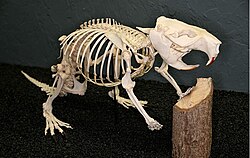
Beavers are placental mammals characterized by their specialized adaptations for a life spent between land and water. Their most distinctive features include a broad, flat tail used for swimming and signaling, and powerful incisors that grow continuously throughout their lives.
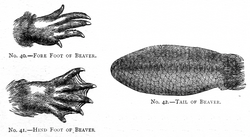
Taxonomically, beavers are categorized under the kingdom Animalia and the order Rodentia. The type species for the genus is Castor fiber. Their physical build is optimized for diving and hauling heavy materials, with strong hind feet and a dense, waterproof coat.
Ecology and Environmental Impact
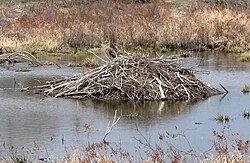
The most striking aspect of beaver biology is their infrastructure. By felling trees and piling mud and stones, beavers create dams that obstruct water flow, resulting in the formation of beaver ponds. These ponds serve as the foundation for beaver lodges—sturdy, dome-shaped shelters with underwater entrances that protect the family from predators.
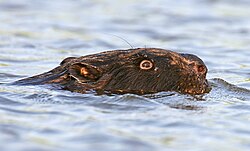
These modifications have profound effects on the surrounding environment. Beaver-engineered wetlands often see an increase in species richness, providing nesting grounds for waterfowl and habitats for amphibians and fish. In arid landscapes, beaver dams can help riparian corridors stay green even during wildfires by maintaining higher water tables.
Feeding Habits
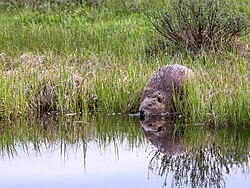
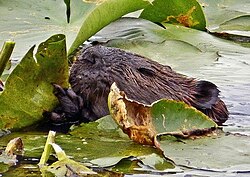
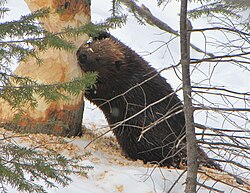
Beavers are herbivores. Their diet varies by season and location, typically consisting of tree bark, woody twigs, and aquatic vegetation such as lily pads. They are selective foragers, often choosing stem sizes that maximize their nutritional intake while minimizing effort.
Hydrological Effects
While their dams provide many benefits, they can also cause challenges. In some regions, beaver activity can lead to the flooding of roads or the loss of certain forest types. In the Arctic, there are concerns that beaver activity may contribute to the thawing of permafrost. Additionally, the introduction of the North American beaver to Tierra del Fuego has led to significant ecological disruption, as they are an invasive species in that region.
Behavior and Social Structure
Beavers are highly social animals that live in tight-knit family units. These groups are typically monogamous, consisting of a breeding pair and their offspring from several years. Young beavers remain with their parents for a period before dispersing to establish their own territories.
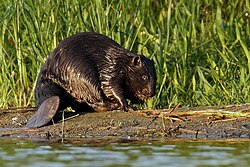
Communication is achieved through a variety of methods, including scent-marking using secretions from anal glands and slapping their tails on the water's surface to warn others of danger. They are fiercely territorial and will defend their dams and lodges from intruders.
Human Interaction and Cultural Significance
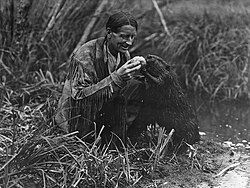
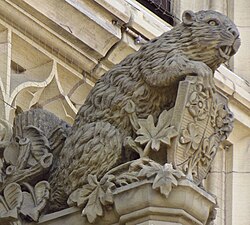
Humans have a long and complex history with beavers. Historically, they were hunted extensively for their fur, which was used to make high-fashion hats. This commercial pressure nearly drove them to extinction in several regions. Today, beavers are often viewed through the lens of conservation and restoration, with some regions reintroducing them to restore natural wetland functions.
| Feature | North American Beaver (C. canadensis) | Eurasian Beaver (C. fiber) |
|---|---|---|
| Distribution | North America (introduced to Southern Hemisphere) | Europe and Asia |
| Status | Widespread | Recovering/Reintroduced in parts of Europe |
| Primary Role | Ecosystem Engineer | Ecosystem Engineer |
Frequently Asked Questions
Why do beavers build dams?
Beavers build dams to create deep, still ponds. This allows them to build lodges with underwater entrances, protecting them from land-based predators and providing easy access to food during the winter when surface water freezes.
What do beavers eat?
Beavers are herbivores that feed on the inner bark (cambium) of trees, woody twigs, and various aquatic plants like lily pads.
Are beavers dangerous to humans?
Beavers are generally not aggressive toward humans, but they can be dangerous if they feel cornered or are defending their territory. There have been rare instances of beavers causing serious injury or transmitting rabies.
How do beavers help the environment?
By creating wetlands, beavers increase biodiversity, filter pollutants from water, recharge groundwater tables, and create essential habitats for birds, fish, and amphibians.
What is the difference between a dam and a lodge?
A dam is a barrier built across a stream to stop the flow of water and create a pond. A lodge is the beaver's actual home—a dome-shaped structure made of sticks and mud located within that pond.