Muskrat: The Semiaquatic Architect of the Wetlands
The muskrat (Ondatra zibethicus) is a medium-sized semiaquatic rodent that plays a vital role in the ecosystems it inhabits. As the largest member of the subfamily Arvicolinae—a group that includes voles and lemmings—the muskrat is a highly specialized mammal perfectly adapted for life in marshes, ponds, and rivers.
While often overshadowed by the larger beaver, the muskrat is a master of its environment, influencing wetland structure and serving as a critical link in the food web. From its unique physiological adaptations to its complex social structures, the muskrat is a fascinating subject of biological study.
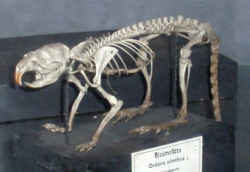
Key Facts
- Scientific Name: Ondatra zibethicus
- Conservation Status: Least Concern (IUCN 3.1)
- Primary Diet: Aquatic vegetation, such as cattails (95%), supplemented by small animals.
- Habitat: Wetlands, including freshwater and saline marshes, lakes, and rivers.
- Lifespan/Breeding: Prolific breeders capable of two to three litters per year.
- Native Range: North America; introduced to parts of Eurasia and South America.
Physical Characteristics and Adaptations
An adult muskrat typically weighs between 0.6 and 2 kg, with a body length of 20–35 cm excluding the tail. They are covered in thick, short fur that ranges from medium to dark brown. Their anatomy is specifically evolved for an aquatic lifestyle:
- Tail: Unlike many rodents, the muskrat has a long, laterally compressed tail covered in scales rather than hair. This tail acts as a rudder for directional stability.
- Propulsion: While the tail provides stability, their partially webbed hind feet serve as the primary means of movement through water.
- Diving Capabilities: Muskrats can remain underwater for 12 to 17 minutes. This is made possible by physiological traits similar to seals and whales, which make them less sensitive to the buildup of carbon dioxide.
- Sensory Protection: They possess the ability to close off their ears to prevent water from entering during dives.
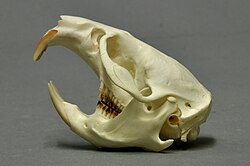
Anatomy and Classification
The muskrat belongs to the family Cricetidae. It is the only extant species within the genus Ondatra, with its closest living relative being the round-tailed muskrat (Neofiber alleni). Their physical build is roughly four times the weight of a brown rat, though they are only slightly longer.
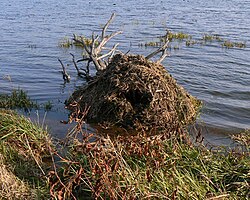
Behavior and Habitat Construction
Muskrats are social animals, typically living in family units consisting of a male, a female, and their offspring. Their survival depends heavily on the structures they build to protect themselves from predators and the elements.
Nesting and Shelters
Muskrats utilize two primary types of shelter:
- Burrows: They often dig into banks near streams or lakes, creating entrances underwater that are approximately 15–20 cm wide.
- Push-ups: In marshy areas, they construct mounds of vegetation and mud known as "push-ups." These can reach heights of up to 90 cm. In snowy climates, muskrats must actively plug these openings with vegetation to maintain warmth.
Feeding Habits
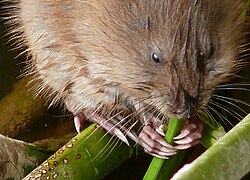
The muskrat is primarily herbivorous, with plant materials making up about 95% of its diet. They favor cattails and other aquatic vegetation. However, they are opportunistic and will consume small animals, including freshwater mussels, frogs, crayfish, fish, and small turtles. Interestingly, they do not store food for the winter, though they may occasionally eat the interior of their push-ups for sustenance.
Ecological Impact and Distribution
The muskrat is a "keystone" species in many ways. By maintaining open areas in marshes through their feeding and burrowing, they help provide essential habitats for various aquatic birds. However, their impact can be dual-natured depending on the region.
Native and Introduced Ranges
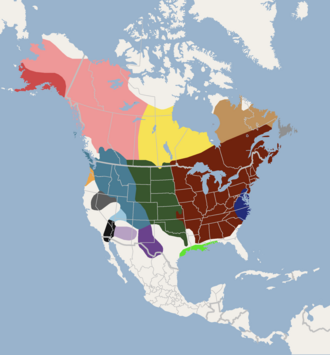
Native to most of Canada, the United States, and northern Mexico, muskrats have been introduced to Europe and parts of Eurasia. In Europe, they are classified as an invasive species. Their burrowing activities can damage river banks, crops, and flood control systems, leading many European countries to implement management and eradication programs.
Predation and the Food Web
Muskrats are a vital food source for a wide array of predators. These include mammals like mink, foxes, coyotes, wolves, and bears, as well as birds such as bald eagles and great horned owls. In their introduced range in the former Soviet Union, the golden jackal is a significant predator.
| Feature | Details |
|---|---|
| Genus | Ondatra |
| Weight | 0.6–2 kg |
| Diet | 95% Aquatic plants; 5% Small animals |
| Subspecies | 16 recognized subspecies |
| Primary Habitat | Wetlands, rivers, and lakes |
Population Trends and Conservation
While the species is currently listed as Least Concern by the IUCN, recent data shows significant regional declines. In the United States, muskrat populations have decreased by at least half in 34 states since the 1990s. In some areas, such as Rhode Island, populations are estimated to be only 15% of their historical levels.
Frequently Asked Questions
How long can a muskrat stay underwater?
A muskrat can remain submerged for approximately 12 to 17 minutes at a time.
What do muskrats eat?
Their diet consists mostly of aquatic vegetation like cattails, but they also eat small animals such as fish, frogs, and crayfish.
Are muskrats considered invasive?
In their native North American range, they are a natural part of the ecosystem. However, in Europe, they are considered an invasive species due to their impact on crops and flood defenses.
Why are muskrats important to wetlands?
They help maintain open areas in marshes through their feeding and construction activities, which provides necessary habitats for aquatic birds.
What is the difference between a muskrat and a beaver?
Muskrats are much smaller than beavers. While they share similar habitats, muskrats are specialized for smaller wetland niches and have different physical proportions and tail structures.