Sport Lisboa e Benfica: A Legacy of Portuguese Football Excellence
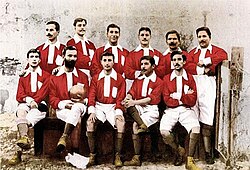
Founded on February 28, 1904, Sport Lisboa e Benfica (SLB) stands as one of the most storied institutions in global football. Known affectionately by its supporters as Benfiquistas, the club is recognized by several nicknames, including As Águias (The Eagles), Os Encarnados (The Reds), and O Glorioso (The Glorious One). From its humble beginnings as Sport Lisboa, the club has evolved into a powerhouse of the Primeira Liga, blending a rich historical heritage with modern sporting ambition.
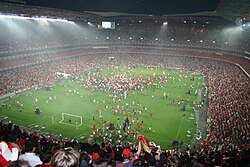
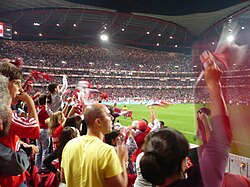
The club's identity is deeply tied to its iconic red colors and its home, the Estádio da Luz, a massive arena with a capacity of 68,100 spectators that serves as the beating heart of the club's operations in Lisbon.
Key Facts
- Founded: February 28, 1904
- Stadium: Estádio da Luz (Capacity: 68,100)
- Major Honors: 2 European Cups (1960–61, 1961–62) and numerous Primeira Liga titles.
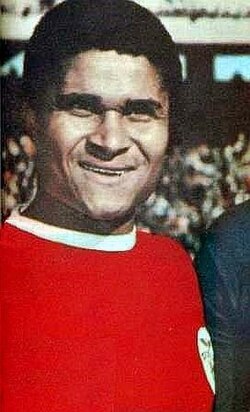
- All-time Top Scorer: Eusébio with 473 goals.
- Current Leadership: President Rui Costa and Head Coach Marco Silva.
- Primary Colors: Red (Home).
Historical Evolution and European Glory
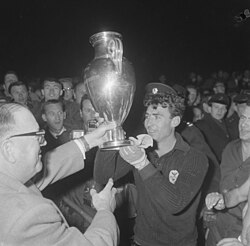
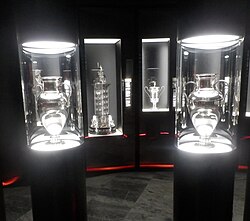
The journey of Benfica is marked by distinct eras of dominance. The period between 1960 and 1962 remains the pinnacle of their international success, during which the club captured two consecutive European Cups (now known as the UEFA Champions League). This golden era was defined by the brilliance of Eusébio, the legendary forward and 1965 Ballon d'Or winner.
Beyond the 1960s, Benfica has remained a consistent force in Portuguese football. The club has achieved a record 11 domestic doubles (Primeira Liga and Taça de Portugal) and a historic treble in the 2013–14 season, winning the league, the national cup, and the league cup.
Visual Identity and Heritage
The club's visual identity has evolved over a century, though the signature red has remained constant. From the early 1900s through the 1970s, the kit underwent various refinements before entering the era of commercial sponsorships. Notable kit manufacturers over the years have included Adidas, Lacoste, and Hummel, with Emirates serving as the main sponsor from 2015 to the present.
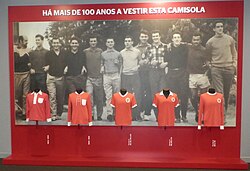
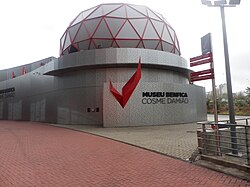
To preserve this legacy, the club maintains the Museu Benfica – Cosme Damião, which houses the club's most prestigious trophies, including the two European Cups, and celebrates the contributions of figures like Cosme Damião.
Modern Era: Squad and Management
Under the presidency of Rui Costa and the tactical guidance of Marco Silva, Benfica continues to compete at the highest level of the Primeira Liga. The current squad is a diverse mix of international talent, featuring players such as captain Fredrik Aursnes and prolific scorer Vangelis Pavlidis.
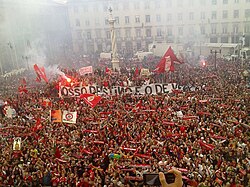
The club also maintains a strong media presence through Benfica TV, its own dedicated television channel, and a robust membership base that fuels its financial and social stability.

Club Statistics and Honors
Benfica's trophy cabinet is one of the most crowded in Europe. Their domestic dominance is reflected in their record-breaking number of league titles and their success in the Taça de Portugal and Taça da Liga.
| Competition | Titles/Wins | Notable Years/Records |
|---|---|---|
| European Cup | 2 | 1960–61, 1961–62 |
| Primeira Liga | Multiple | Record 38th title in 2022–23 |
| Taça da Liga | 8 | Record winners |
| Supertaça Cândido de Oliveira | 10 | Most recent in 2025 |
| Latin Cup | 1 | 1950 |
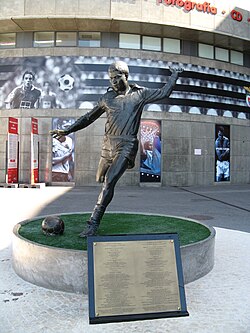
The club's individual excellence is immortalized at the stadium, where a statue of Eusébio stands as a reminder of his 473 goals for the club.
Frequently Asked Questions
Who is the all-time top scorer for Benfica?
The all-time top scorer is Eusébio, who scored a total of 473 goals for the club.
How many European Cups has Benfica won?
Benfica has won two European Cups, achieving victory in the 1960–61 and 1961–62 seasons.
What is the name of Benfica's stadium and its capacity?
The club plays its home matches at the Estádio da Luz, which has a capacity of 68,100.
When was Sport Lisboa e Benfica founded?
The club was founded on February 28, 1904, originally as Sport Lisboa.
What is the significance of the 2013–14 season?
The 2013–14 season was historic as Benfica achieved a domestic treble, winning the Primeira Liga, Taça de Portugal, and Taça da Liga.