UEFA Champions League: History, Format, and Records of Europe's Premier Club Competition
The UEFA Champions League stands as the pinnacle of club football in Europe. Organized by UEFA, the Union of European Football Associations, this prestigious tournament brings together the continent's most elite teams to compete for the most coveted trophy in the sport. From its humble beginnings as the European Cup in 1955 to its modern, high-stakes rebranding in 1992, the competition has evolved into a global phenomenon.
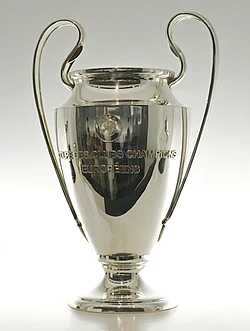
Today, the tournament serves as a gateway to other prestigious titles, as the winner qualifies for the UEFA Super Cup, the FIFA Intercontinental Cup, and the FIFA Club World Cup. It sits at the top of a tiered system, followed by the UEFA Europa League (second tier) and the UEFA Conference League (third tier).
Key Facts
- Founded: 1955 (originally as the European Cup); rebranded in 1992.
- Most Successful Club: Real Madrid with 15 titles.
- Current Champions: Paris Saint-Germain (2nd title).
- League Phase Size: 36 teams.
- Highest Individual Win Record: Paco Gento, Toni Kroos, Dani Carvajal, Luka Modrić, and Nacho (6 titles each).
The Evolution of the Competition
The tournament's history is marked by eras of dominance. In the early years (1955–1967), Real Madrid established an unprecedented legacy, winning the first five consecutive titles. The following decade saw the rise of Dutch and German powerhouses, including Ajax, who achieved a famous hat-trick of titles between 1970 and 1973.
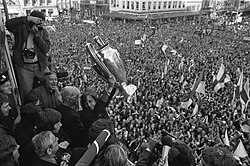
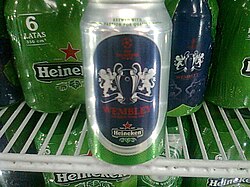
Following a period of transition and the impact of the Heysel Disaster, the competition underwent a massive rebrand in 1992, becoming the UEFA Champions League. This shift introduced a more expansive format, moving from a pure knockout system to include group stages and eventually the current league phase, allowing more teams to participate and increasing the commercial scale of the event.
Competition Format and Qualification
The modern Champions League utilizes a complex qualification process to ensure the highest quality of competition. Teams enter through various paths based on their domestic league performance and the association coefficient (a ranking of the strength of a country's leagues).
The Path to the League Phase
Qualification is divided into several stages:
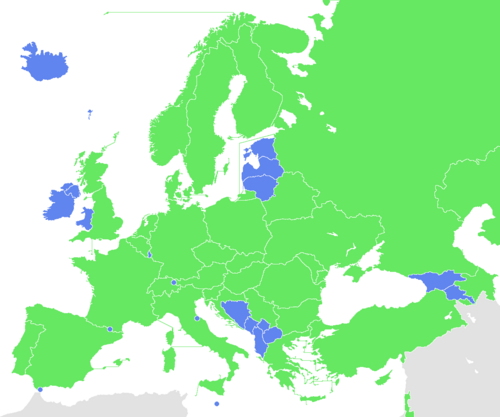
- First Qualifying Round: 32 champions from lower-ranked associations.
- Second and Third Qualifying Rounds: Divided into the Champions Path (for league winners) and the League Path (for high-ranking runners-up and third/fourth placed teams).
- Play-off Round: The final hurdle before the main competition.
League and Knockout Phases
The League Phase consists of 36 teams. Following this, the competition splits into two paths: teams ranked 1–8 advance directly to the knockout phase, while those ranked 9–24 enter a preliminary knockout round to determine who joins them in the Round of 16.
Branding and Identity
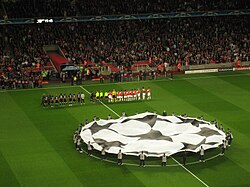
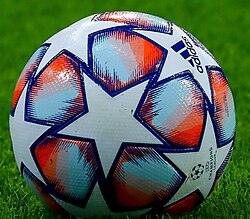
The Champions League is as famous for its aesthetics as it is for the football. The iconic "starball" logo is central to the brand, appearing on the official Adidas Finale match ball and being waved in the center circle during the pre-match ceremonies.
The tournament is further defined by its anthem, a captivating piece of music that plays before every match, signaling the start of Europe's most elite footballing battle.
Prizes and Financial Rewards
Success in the Champions League is rewarded with significant financial incentives. The prize money is distributed based on progression and performance:
| Stage/Achievement | Prize Amount |
|---|---|
| Champions | €25,000,000 |
| Runners-up | €18,500,000 |
| Semi-finals | €15,000,000 |
| Quarter-finals | €12,500,000 |
| Round of 16 | €11,000,000 |
| League Phase Base Fee | €18,620,000 |
| League Phase Victory | €2,100,000 |
Legendary Players and Records
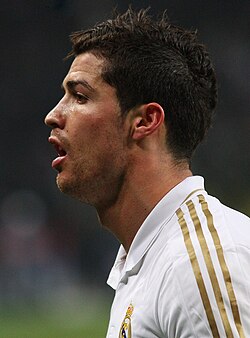
The tournament has been the stage for the greatest players in history. Cristiano Ronaldo holds the record for the most match wins. In terms of titles, a select group of players has reached the summit six times.
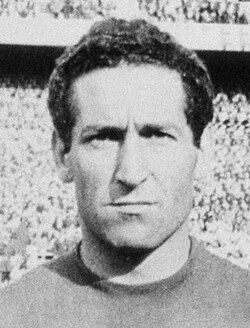
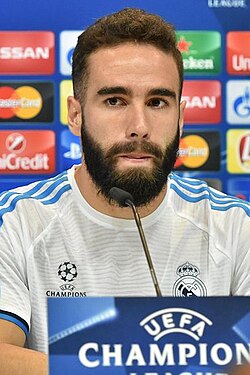
Paco Gento was the first to achieve six titles, appearing in eight finals. He is joined in this elite club by modern legends like Dani Carvajal, who is notable for starting in every final he won.
Frequently Asked Questions
Which club has won the most UEFA Champions League titles?
Real Madrid holds the record for the most championships, with a total of 15 titles.
How many teams participate in the league phase?
The current league phase consists of 36 teams.
Who are the current champions of the tournament?
Paris Saint-Germain are the current champions, having secured their second title.
What is the difference between the Champions Path and the League Path?
The Champions Path is reserved for league winners from specific associations, while the League Path is for runners-up and other high-ranking teams from the top-tier associations.
How much prize money does the winning team receive?
The champions of the tournament receive €25,000,000.