Ronaldo Nazário: The Legacy of O Fenômeno
Few players in the history of football have commanded the pitch with the sheer power, speed, and technical brilliance of Ronaldo Luís Nazário de Lima. Known globally as "O Fenômeno" (The Phenomenon), the Brazilian striker redefined the role of the number nine, blending explosive athleticism with a clinical finishing ability that terrified defenders across three different decades.
Born on September 18, 1976, in Itaguaí, Rio de Janeiro, Ronaldo's journey from the youth ranks of São Cristóvão to the pinnacle of world football is a story of meteoric rises and triumphant returns from devastating injuries.
Key Facts
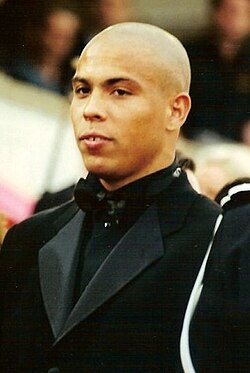
- Full Name: Ronaldo Luís Nazário de Lima.
- World Cup Success: Two-time FIFA World Cup winner (1994, 2002).
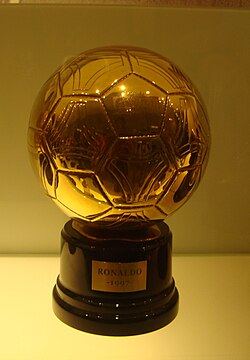
- Individual Accolades: Two-time Ballon d'Or winner (1997, 2002) and three-time FIFA World Player of the Year.
- Career Goals: Scored 280 goals in 384 senior club league appearances.
- International Impact: 62 goals in 98 appearances for the Brazil national team.
- Youngest Recipient: Remains the youngest player ever to win the Ballon d'Or.
The Rise to Global Stardom
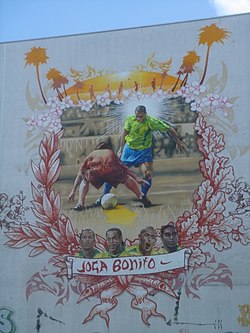
Ronaldo's professional career began at Cruzeiro, where he immediately displayed a scoring instinct far beyond his years. His move to PSV Eindhoven in the Netherlands served as his gateway to Europe, where he continued to dominate the scoring charts.
By the time he joined Barcelona in 1996, Ronaldo was already a global sensation. In a single season, he captured the world's attention, winning the Pichichi Trophy (the award for the top goalscorer in La Liga) and the European Golden Shoe.
The Inter Milan Era and World Record Transfer
In 1997, Ronaldo moved to Inter Milan in a transfer that set a world record at the time. It was during this period that he reached his absolute peak, winning the Ballon d'Or in 1997. However, this era was also marked by severe knee injuries that sidelined him for significant periods, creating a narrative of vulnerability that contrasted with his on-field dominance.
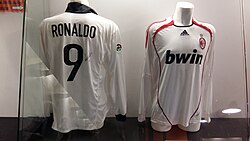
Triumph at Real Madrid and AC Milan
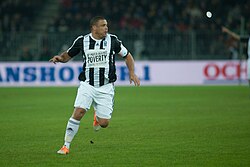
Ronaldo's move to Real Madrid in 2002 marked one of the greatest comebacks in sports history. He regained his form, winning La Liga in his first season and securing another Pichichi Trophy in his second. His time in Madrid solidified his status as a legend of the game, combining his trademark step-overs with an unmatched ability to finish under pressure.
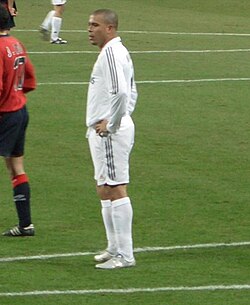
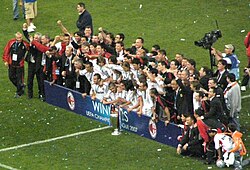
Following his tenure at Real Madrid, Ronaldo had a brief but impactful stint at AC Milan from 2007 to 2008. Although he was ineligible to play in the 2007 UEFA Champions League final due to the timing of his signing, he celebrated the victory with his teammates.
International Glory with Brazil
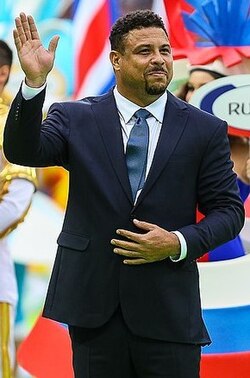
Ronaldo's international career is defined by his contributions to the Seleção. He was part of the 1994 World Cup-winning squad as a teenager and later led Brazil to victory in the 1997 Copa América and the 1997 FIFA Confederations Cup.
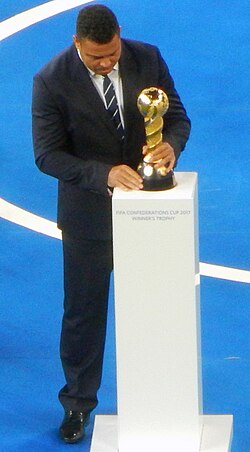
The 1998 World Cup Final remains one of the most dramatic moments of his career. Despite suffering a convulsive fit just six hours before the match against France, Ronaldo played the full game, though Brazil ultimately finished as runners-up.
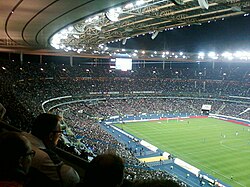
Redemption arrived in 2002. Ronaldo entered the World Cup in peak condition, scoring eight goals throughout the tournament, including both goals in the final against Germany to secure Brazil's fifth world title.
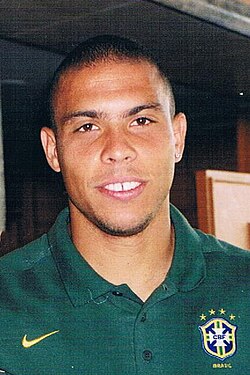
Final Years and Retirement
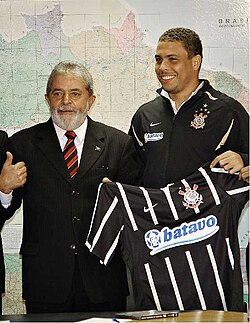
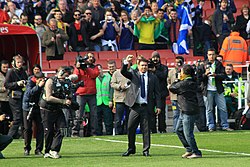
Ronaldo returned to his homeland in 2009 to play for Corinthians. He helped the club win the Campeonato Paulista and the Copa do Brasil before officially announcing his retirement in February 2011.
Life Beyond the Pitch
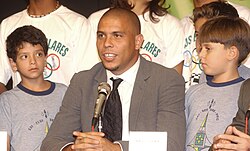
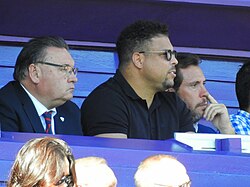
Since retiring, Ronaldo has transitioned into sports ownership and philanthropy. He has held ownership stakes in clubs such as Real Valladolid and Cruzeiro. He has also been recognized for his contributions to the sport, receiving an Innovation in Sport Award at the 2019 Web Summit.

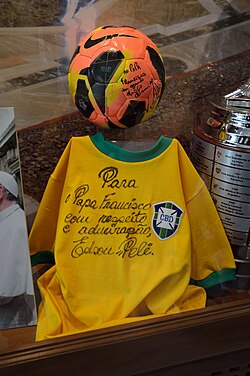
A devout Catholic, Ronaldo has maintained a relationship with the Vatican, donating a signed football to Pope Francis, which now resides in the Vatican Museums alongside a jersey from Pelé.
Career Summary
| Club | Years | League Apps | League Goals | Major Honours |
|---|---|---|---|---|
| Cruzeiro | 1993–1994 | 34 | 34 | Campeonato Mineiro |
| PSV | 1994–1996 | 46 | 42 | KNVB Cup |
| Barcelona | 1996–1997 | 37 | 34 | Copa del Rey, UEFA Cup Winners' Cup |
| Inter Milan | 1997–2002 | 68 | 49 | UEFA Cup |
| Real Madrid | 2002–2007 | 127 | 83 | La Liga, Intercontinental Cup |
| AC Milan | 2007–2008 | 20 | 9 | UEFA Champions League (Squad member) |
| Corinthians | 2009–2011 | 52 | 29 | Campeonato Paulista, Copa do Brasil |
Frequently Asked Questions
How many World Cups did Ronaldo win?
Ronaldo won two FIFA World Cups with Brazil, in 1994 and 2002.
What is the significance of the Pichichi Trophy?
The Pichichi Trophy is awarded to the top goalscorer of the Spanish La Liga. Ronaldo won this award during his time with both Barcelona and Real Madrid.
Which club did Ronaldo play for when he won his first Ballon d'Or?
Ronaldo won his first Ballon d'Or in 1997 while playing for Inter Milan.
What happened to Ronaldo before the 1998 World Cup Final?
Six hours before the final against France, Ronaldo suffered a convulsive fit, though he still participated in the match.
When did Ronaldo officially retire from professional football?
Ronaldo announced his retirement in February 2011 after playing for the Brazilian club Corinthians.