Ballon d'Or: History, Winners, and Evolution of Football's Most Prestigious Prize
The Ballon d'Or stands as the most coveted individual accolade in world football. Established to honor the best performing player of the season, this prestigious trophy has evolved from a regional European prize into a global symbol of sporting excellence. Presented by France Football, the award captures the pinnacle of individual achievement within a team sport.
Key Facts
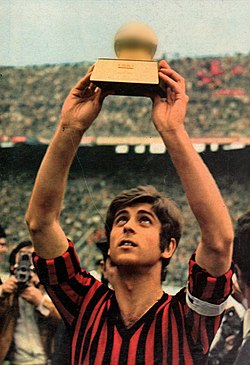
- Inaugural Winner: Stanley Matthews (1956).
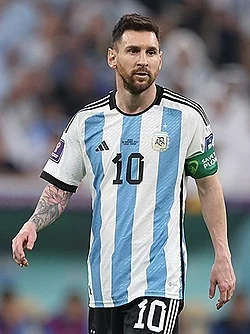
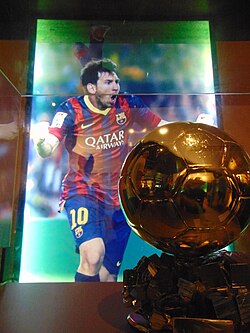
- Most Wins: Lionel Messi with a record 8 awards.
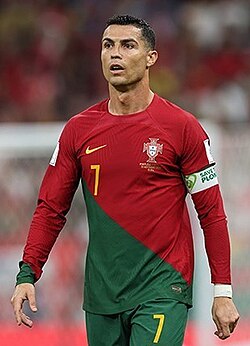
- Most Nominations: Cristiano Ronaldo with 18 nominations.
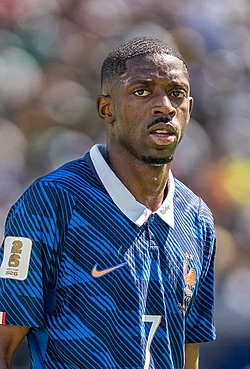
- Current Holder: Ousmane Dembélé.
- Only Goalkeeper Winner: Lev Yashin.
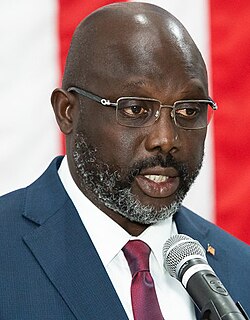
- Only African Winner: George Weah.
The Evolution of the Award
Conceived by sports writers Gabriel Hanot and Jacques Ferran, the Ballon d'Or was originally restricted to European players and was known as the European Footballer of the Year. For the first few decades, the winner was decided exclusively by football journalists.
The award's eligibility expanded in stages to reflect the global nature of the game. In 1995, it opened to players of any origin provided they played for European clubs. By 2007, it became a truly global prize, eligible to all professional footballers regardless of their league or nationality.

Partnerships and Rule Changes
Between 2010 and 2015, the award merged with the FIFA World Player of the Year to become the FIFA Ballon d'Or. This partnership ended in 2016, leading France Football to return to its original format while FIFA established "The Best FIFA Men's Player" award.
In 2022, significant rule changes were introduced. The award shifted from a calendar-year basis to a football season basis. Additionally, the voting process was refined to an international jury of specialized journalists, with one representative from each of the top 100 countries in the FIFA Men's World Ranking.
Since 2024, UEFA has co-organized the Ballon d'Or gala, although France Football maintains the voting system and the brand name.
Criteria for Winning
The selection process is not based on a single metric but on a combination of three primary criteria:
- Individual Performance: The player's decisive and impressive character on the pitch.
- Team Performance: The achievements and success of the player's club and national teams.
- Overall Impact: The general influence of the player throughout the season.
Legendary Winners and Records

The history of the Ballon d'Or is defined by eras of dominance. Stanley Matthews was the first recipient and remains the oldest winner at 41 years and 321 days.

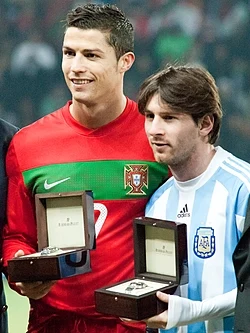
The modern era has been dominated by the rivalry between Lionel Messi and Cristiano Ronaldo. Between 2008 and 2023, the duo claimed 13 trophies combined. Messi holds the record for the most wins (8) and the most consecutive wins (4, between 2009 and 2012), while Ronaldo holds the record for the most nominations (18) and has won the award five times.
Pioneers and Specialists
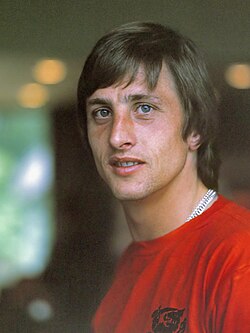
Certain players broke barriers by winning the award from non-traditional positions or regions. Luis Suárez was the first midfielder to win, and Lev Yashin remains the only goalkeeper to ever receive the honor. In defense, Franz Beckenbauer is the only defender to have won the award twice.

George Weah made history as the first non-European and the only African player to win. Meanwhile, Ronaldo (the Brazilian) was the first South American winner and remains the youngest recipient at 21 years and 96 days.
Special Awards and Retrospective Honors
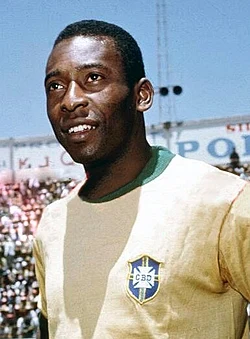
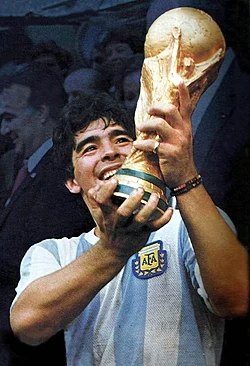
Beyond the annual trophy, France Football has introduced special recognitions. The Super Ballon d'Or is an exceptionally rare prize, won only by Alfredo Di Stéfano in 1989. Other honors include the Football Player of the Century, awarded to Pelé in 1999, and the Golden Ballon d'Or given to Diego Maradona in 1995.

In 2016, for the award's 60th anniversary, a reevaluation of the pre-1995 era was conducted. Because only Europeans were eligible back then, France Football retrospectively recognized that 12 awards would have gone to South Americans, including Pelé (seven times) and Diego Maradona (twice).
The Dream Team and Women's Football
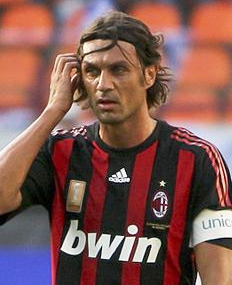
The Ballon d'Or Dream Team was created to honor the greatest players in history, featuring legends like Paolo Maldini. Additionally, the Ballon d'Or Féminin recognizes the best female player; Aitana Bonmatí has set a record by winning the award three times consecutively from 2023 to 2025.

Summary of Ballon d'Or Milestones

| Category | Player/Detail | Record/Fact |
|---|---|---|
| Most Wins | Lionel Messi | 8 Awards |
| Most Nominations | Cristiano Ronaldo | 18 Nominations |
| Youngest Winner | Ronaldo (Brazil) | 21 years, 96 days |
| Oldest Winner | Stanley Matthews | 41 years, 321 days |
| Only Goalkeeper | Lev Yashin | Sole winner in position |
| Only African | George Weah | First non-European winner |
Frequently Asked Questions



Who is the current holder of the Ballon d'Or?
The current award holder is Ousmane Dembélé, marking his first win.
How is the winner of the Ballon d'Or decided?
The winner is determined by an international jury of specialized journalists, with one representative from each of the top 100 countries in the FIFA Men's World Ranking, based on individual and team performances over a football season.
Why was there no Ballon d'Or in 2020?
Groupe Amaury decided not to give an award in 2020 due to the impact of the COVID-19 pandemic on association football, although it is widely argued that Robert Lewandowski would have won.
What is the difference between the Ballon d'Or and the FIFA World Player of the Year?
They were originally separate awards. Between 2010 and 2015, they merged into the FIFA Ballon d'Or. Since 2016, they have been separate again, with France Football managing the Ballon d'Or and FIFA managing "The Best" awards.
Who has won the most Ballons d'Or?
Lionel Messi holds the record with 8 awards, including a streak of four consecutive wins between 2009 and 2012.