Liverpool Football Club: A Legacy of Excellence at Anfield
Founded on June 3, 1892, Liverpool Football Club, affectionately known as "The Reds," stands as one of the most storied institutions in global sports. From its humble beginnings to its current status as a Premier League powerhouse, the club has built a reputation for resilience, passion, and an unwavering commitment to victory.
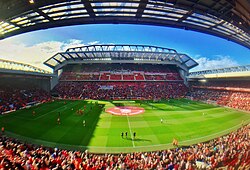
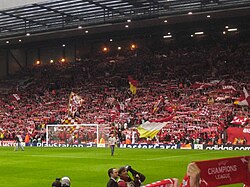
The club is deeply intertwined with the city of Liverpool and its home ground, Anfield, where the atmosphere created by the supporters—particularly those in the legendary Kop—has become a psychological advantage for the team and a daunting challenge for visitors.
Key Facts
- Founded: June 3, 1892
- Home Ground: Anfield (Capacity: 61,276)
- Nickname: The Reds
- Ownership: Fenway Sports Group (FSG)
- Current Head Coach: Andoni Iraola
- Captain: Virgil van Dijk
The Spirit of Anfield
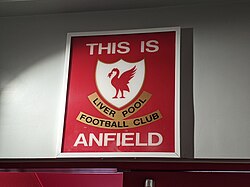
Anfield is more than just a stadium; it is a sanctuary of footballing history. One of its most iconic features is the "This is Anfield" sign, installed by legendary manager Bill Shankly in 1972. Located above the players' tunnel, the sign serves as a reminder to the squad of the prestige they carry and a warning to opponents of the challenge ahead.
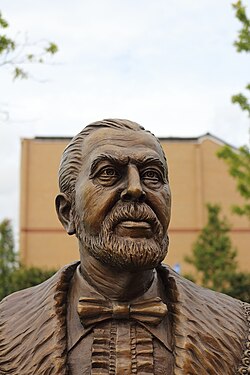
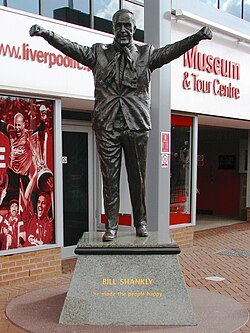
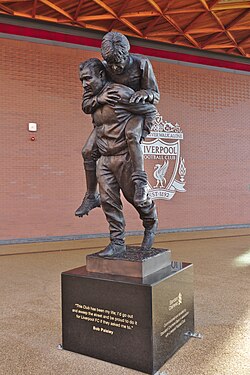
The stadium also honors the club's giants. Statues of Bill Shankly, who led the club to promotion and its first league title since 1947, and Bob Paisley, the most successful manager in the club's history, stand as permanent tributes to their contributions.
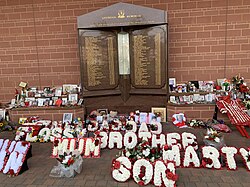
Beyond the glory, Anfield is a place of remembrance. The Hillsborough memorial, engraved with the names of the 97 victims of the 1989 disaster, ensures that the club never forgets its community's losses.
A History of Triumph
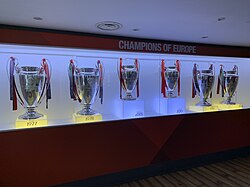
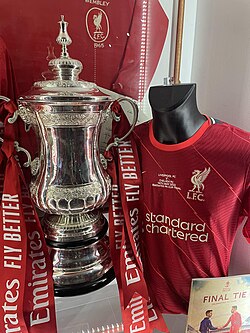
Liverpool's trophy cabinet is among the most decorated in the world. The club has achieved remarkable success in both domestic and international competitions, most notably in the European Cup (now the UEFA Champions League). The club's fifth European Cup victory in 2005 remains one of the most famous comebacks in sporting history.
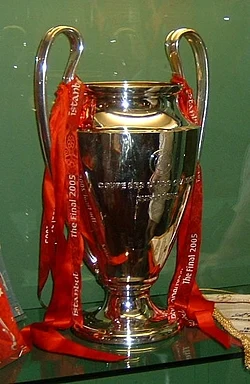
The club's success is defined by its ability to achieve "Doubles" (winning two major trophies in one season) and "Trebles." Notable achievements include the 1983–84 treble of the League, League Cup, and European Cup, and the 2000–01 treble consisting of the FA Cup, League Cup, and UEFA Cup.
Identity: Colours, Badge, and Symbols
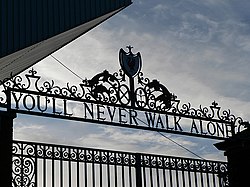
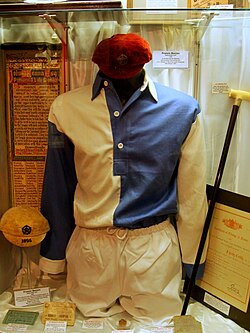
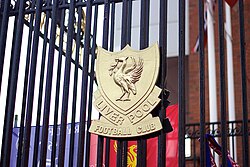
The club's visual identity has evolved over 134 years. While the iconic red is now synonymous with the team, the home colours worn between 1892 and 1896 were different. The club's crest has also seen various iterations, from the designs seen on the Shankly Gates to the modern badges worn on current home shirts.
The Modern Era and Squad
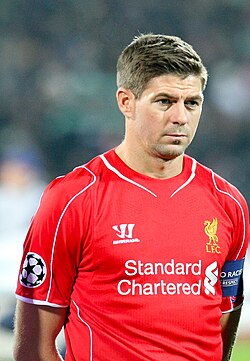
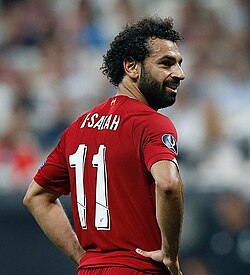
Currently owned by Fenway Sports Group, Liverpool continues to compete at the highest level of the Premier League. The squad is led by captain Virgil van Dijk and features world-class talent such as Alisson Becker and Mohamed Salah. Salah holds a special place in the club's history as the leading goalscorer of the Premier League era and the third-highest overall, trailing only Ian Rush and Roger Hunt.
The club's leadership extends beyond the pitch, with a sophisticated management structure including Chairman Tom Werner and Sporting Director Richard Hughes, supported by ambassadors like Ian Rush and Robbie Fowler.
Club Summary Table
| Category | Details |
|---|---|
| Full Name | Liverpool Football Club |
| Founded | 1892 |
| Stadium | Anfield |
| Owner | Fenway Sports Group |
| League | Premier League |
| Current Captain | Virgil van Dijk |
Frequently Asked Questions
Who is the most successful manager in Liverpool's history?
Bob Paisley remains the most successful manager in the club's history, a fact commemorated by his statue outside Anfield.
What is the significance of the "This is Anfield" sign?
Installed by Bill Shankly in 1972, the sign is located above the players' tunnel to inspire the home players and intimidate the visiting team.
Who are the top goalscorers in the club's history?
The all-time leading goalscorers are Ian Rush and Roger Hunt, followed by Mohamed Salah, who is the club's top scorer in the Premier League era.
What are the most notable "Trebles" won by the club?
Liverpool won a treble of the League, League Cup, and European Cup in 1983–84, and a different treble of the FA Cup, League Cup, and UEFA Cup in 2000–01.
Who is the longest-serving captain in the club's history?
Steven Gerrard holds the record as Liverpool's longest-serving captain.