Spanish Republic: The Rise and Fall of Spain's Second Democracy
The Spanish Republic, commonly known as the Second Spanish Republic, served as the democratic government of Spain from 1931 to 1939. Born from the collapse of a military dictatorship and the exile of King Alfonso XIII, the Republic represented a bold attempt to modernize Spain through secularism, social reform, and regional autonomy. However, this era was defined by deep ideological polarization that eventually culminated in one of the 20th century's most brutal conflicts: the Spanish Civil War.
Key Facts
- Duration: April 14, 1931, to April 1, 1939.
- Government Type: Unitary semi-presidential republic.
- Key Leaders: Niceto Alcalá-Zamora and Manuel Azaña (Presidents).
- Defining Conflict: The Spanish Civil War (1936–1939).
- Outcome: Dissolution of the Republic and the establishment of the Spanish State under General Francisco Franco.
- International Involvement: Supported by the USSR and Mexico; opposed by Nazi Germany, Fascist Italy, and Portugal.
The Birth of the Republic and the Reformist Biennium (1931–1933)
The path to the Republic began on January 28, 1930, with the overthrow of General Miguel Primo de Rivera's military dictatorship. A diverse coalition of conservatives, socialists, and Catalan nationalists formed the Pact of San Sebastián, a strategic agreement to abolish the monarchy. Following a landslide victory for republicans in the municipal elections of April 12, 1931, the Second Republic was proclaimed two days later.
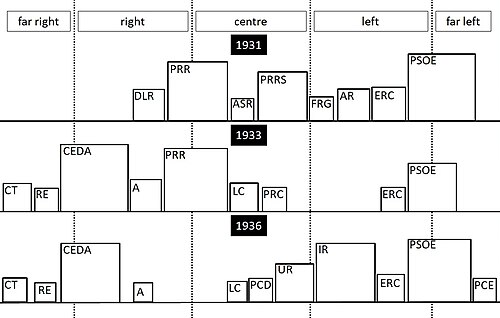
The initial period of governance, known as the Reformist Biennium, was led by Prime Minister Manuel Azaña. This era was characterized by ambitious efforts to reshape Spanish society. The government implemented a moderate agrarian reform, established a large-scale school-building project, and stripped religious orders of their control over education. Additionally, the Republic granted home rule to Catalonia, allowing the region to establish its own president and parliament.
The "Black Biennium" and Escalating Tensions (1933–1935)
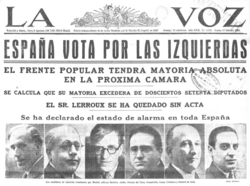
The political tide shifted in September 1933 when Manuel Azaña resigned. In the subsequent elections, the CEDA (Spanish Confederation of the Autonomous Right) won a plurality. Fearing the CEDA's monarchist leanings, President Alcalá-Zamora initially declined to let them form a government, instead appointing Alejandro Lerroux of the Radical Republican Party.
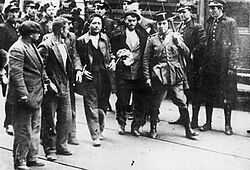
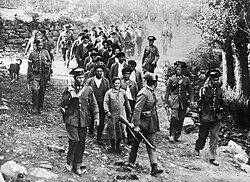
This period, termed the Black Biennium, saw a sharp increase in state-sanctioned repression against the left and violent clashes between political factions. Tensions peaked in October 1934 when the UGT (Unión General de Trabajadores) and the PSOE (Spanish Socialist Workers' Party) called a general strike. In Asturias, this evolved into a proletarian revolution where rebels abolished regular currency. The uprising was violently suppressed by the Spanish Navy and Army, utilizing colonial troops from Morocco.
The Popular Front and the Path to War (1936)
By 1935, corruption scandals and political crises led President Alcalá-Zamora to call for new elections. In February 1936, the Popular Front—a coalition of socialists, communists, and left-wing republicans—won a narrow victory.
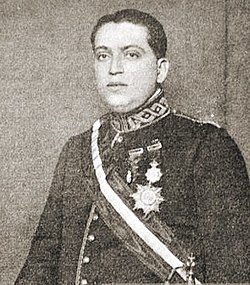
The victory of the left accelerated plans for a military coup by right-wing forces. The situation reached a breaking point on July 12, 1936, when José Calvo Sotelo, a prominent opposition leader, was assassinated by members of the Guardia de Asalto and leftist militiamen. This event served as the final catalyst for military officers to launch a revolt.
The Spanish Civil War (1936–1939)
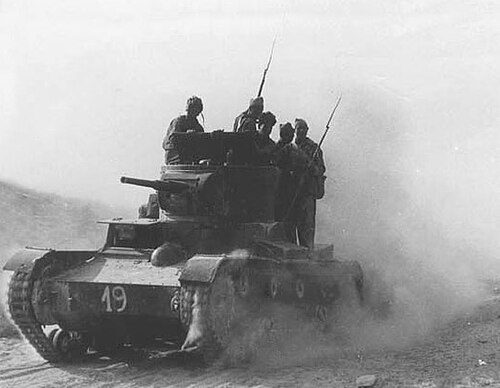
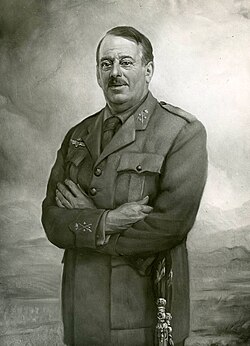
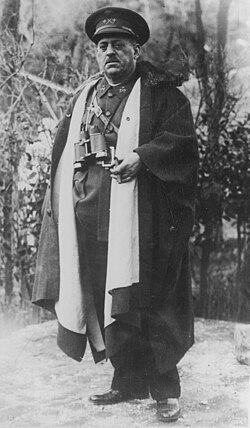
The military uprising began on July 17, 1936, in Spanish Morocco under General Francisco Franco, while General Emilio Mola led forces from the north. While the rebels seized significant portions of the south and west, major cities remained loyal to the Republic, splitting the country into two warring factions.
The conflict became a proxy war for global ideologies. The Nationalists received substantial military aid from Nazi Germany, Fascist Italy, and Portugal. In contrast, the Republic relied on the USSR, Mexico, and the International Brigades—volunteers from around the world who fought against fascism.
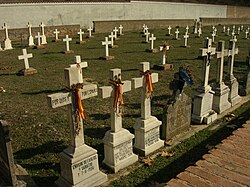
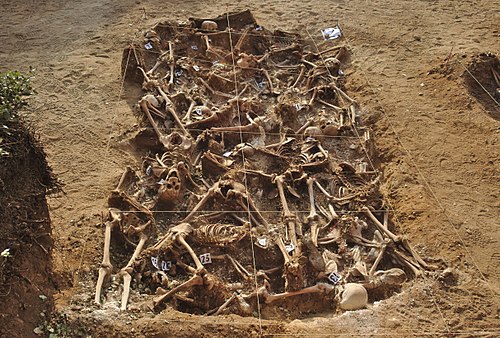
The war was marked by extreme violence on both sides. The "Red Terror" involved massacres and torture committed by Republican forces, such as the Paracuellos massacre. Simultaneously, Nationalist forces carried out systematic purges and executions of republicans in captured territories.
Despite the Republic's efforts, the policy of non-intervention adopted by Britain and France isolated the democratic government, favoring Franco's Nationalists. The Republic finally surrendered on April 1, 1939, leading to the establishment of a dictatorship under General Franco.
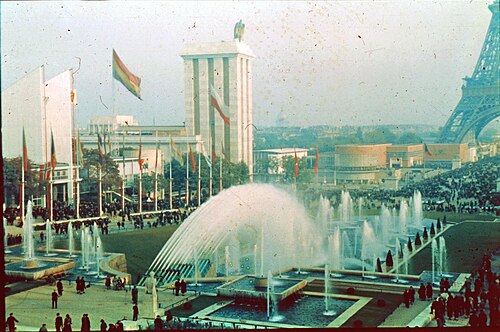
Summary of Republican Governance
| Category | Details |
|---|---|
| Capital | Madrid (moved to Valencia in 1936 and Barcelona in 1937 during the war) |
| Official Languages | Spanish (Official); Catalan and Basque (Recognized) |
| Key Legislation | Constitution of 1931 |
| Major Political Blocs | Popular Front (Left) vs. National Front/CEDA (Right) |
| Currency | Spanish peseta |
Prime Ministerial Transitions
The Republic's instability is reflected in its leadership. Between 1931 and 1939, the state saw 8 different prime ministers across 19 cabinets. Manuel Azaña served two distinct terms as Prime Minister before becoming President, while Alejandro Lerroux held the office three separate times during the volatile Black Biennium.
Frequently Asked Questions
What was the Reformist Biennium?
The Reformist Biennium (1931–1933) was the first two years of the Second Spanish Republic, led by Manuel Azaña. It was characterized by progressive reforms in education, agrarian policy, and the granting of autonomy to Catalonia.
What caused the outbreak of the Spanish Civil War?
The war was caused by deep political and social polarization between the left-wing Popular Front and right-wing Nationalists. The immediate trigger was a military coup in July 1936, following the assassination of right-wing leader José Calvo Sotelo.
Who were the International Brigades?
The International Brigades were volunteer military units composed of people from various countries who traveled to Spain to support the Republic in its fight against General Franco's Nationalist forces.
How did foreign intervention affect the war?
Foreign aid was decisive. The Nationalists received superior and more consistent military support from Nazi Germany and Fascist Italy. The Republic received aid from the USSR and Mexico, but was hindered by the non-intervention policies of France and Britain.
What happened to the Republic after 1939?
The Republic was dissolved on April 1, 1939, after the victory of the Nationalists. This led to the establishment of the Spanish State under the dictatorship of General Francisco Franco, though a government-in-exile continued to exist.