Soybean: Production, Nutrition, and Global Uses
The soybean (Glycine max) is a versatile legume that serves as a cornerstone of global agriculture and nutrition. Known in Chinese as dàdòu ("large bean") or huángdòu ("yellow bean"), this plant has evolved from an East Asian staple into one of the most widely cultivated crops in the world, providing essential proteins and oils for both human consumption and livestock feed.
From a botanical perspective, the soybean belongs to the family Fabaceae and the genus Glycine. It is characterized by its ability to produce high-protein seeds and its adaptability to various climates, though it is most prominently grown in large-scale industrial operations across the Americas and Asia.
Key Facts
- Scientific Name: Glycine max.
- Top Producers: Brazil and the United States lead global production.
- Nutritional Powerhouse: Exceptionally high in protein (approx. 36.49g per 100g) and essential minerals.
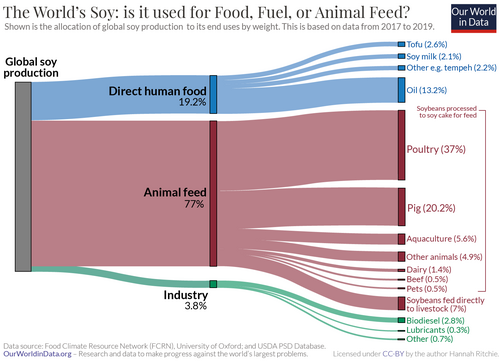
- Primary Use: A significant portion of the world's soy crop is used for livestock feed.
- Versatility: Used in everything from tofu and soy milk to industrial soy candles.
Botanical Classification and Taxonomy
The soybean is classified under the kingdom Plantae and the order Fabales. Within the species Glycine max, there are several recognized subspecies, including G. max subsp. max and G. max subsp. soja. These distinctions help researchers and farmers manage different growth characteristics and resilience levels.
Growth and Development
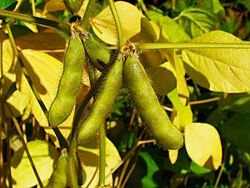
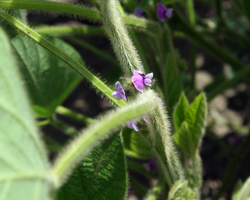
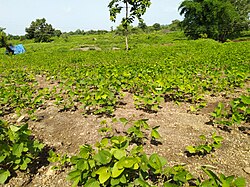
The life cycle of the soybean involves specific stages of germination, flowering, and maturation. The plant produces pods containing the beans, which are prized for their seed resilience and chemical composition.
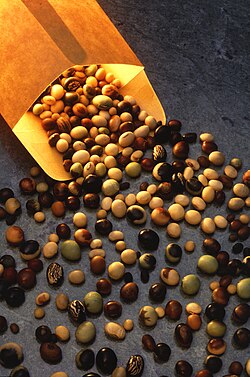
Global Production and Cultivation
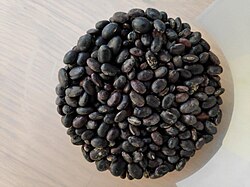
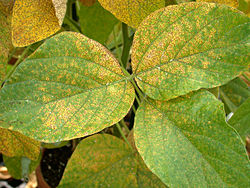
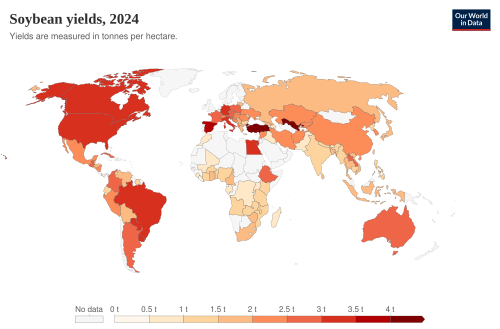
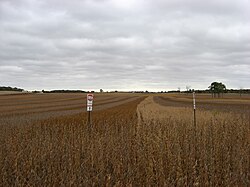
Soybean cultivation is a massive global industry. The crop requires specific soil conditions and is susceptible to various pests and diseases, such as Soybean rust, which can significantly impact yields if not managed with disease-resistant cultivars.
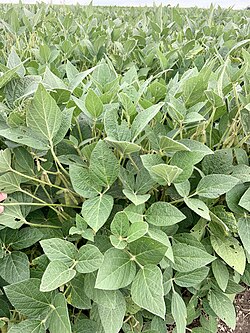
Modern farming often employs advanced techniques, including the use of cropdusters for pest control and the rotation of crops to maintain soil health.
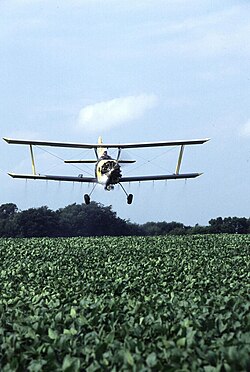
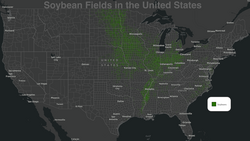
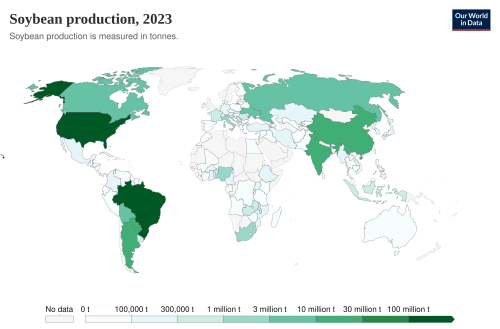
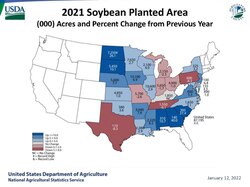
The geographic distribution of soybean fields is vast, with significant acreage in the United States, Argentina, and Brazil.

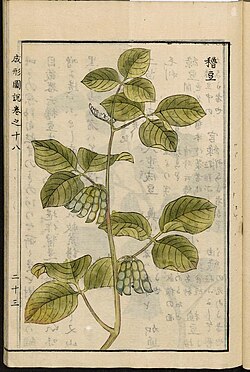
While the Americas dominate current production, the history of the soybean is rooted in East Asia, with early records appearing in documents like the Seikei Zusetsu (1804). It later spread to Europe, with the Botanical Garden of Turin in Italy cultivating it by 1760.
Leading Producers (2019 Data)
According to FAOSTAT, the global production of soybeans reached 353 million tonnes in 2019.
| Country | Production (Million Tonnes) | World Share (%) |
|---|---|---|
| Brazil | 122 | 34.56% |
| United States | 113 | 32.01% |
| Argentina | 49 | 13.88% |
| China | 20 | 5.67% |
| India | 11 | 3.12% |
| Paraguay | 11 | 3.12% |
Nutritional Profile and Chemistry
Soybeans are renowned for their dense nutritional value, particularly their protein content, which far exceeds that of other staple crops like maize, rice, or wheat.
Macronutrients (per 100g)
- Energy: 446 kcal
- Protein: 36.49 g
- Fat: 19.94 g (predominantly polyunsaturated)
- Carbohydrates: 30.16 g
- Dietary Fiber: 9.3 g
The soybean is also a rich source of vitamins and minerals. It provides significant percentages of the Daily Value (DV) for Folate (94%), Manganese (109%), Copper (184%), and Iron (87%).
Diverse Applications and Uses
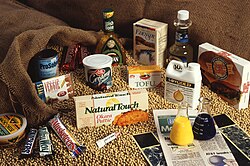
The utility of the soybean extends far beyond the dinner table. While a large percentage of the crop is processed into soybean meal for livestock feed, its human applications are vast.
Food and Beverage
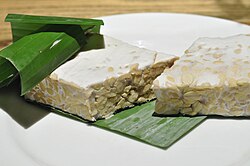
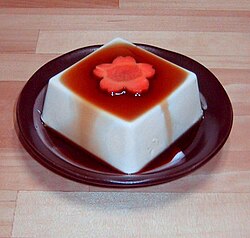
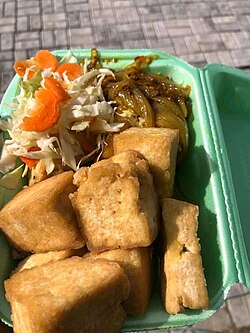
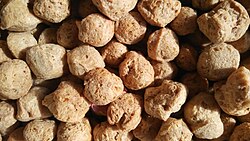
Soy is the base for numerous traditional and modern foods. These include fermented products like tempeh and soy sauce, as well as processed staples like tofu, soy milk, and soy-based meat alternatives (such as soy burgers and soy chunks).
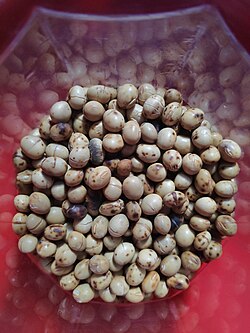
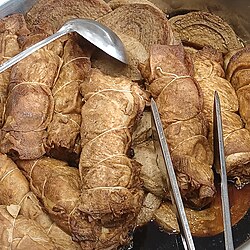
In different cultures, soy takes unique forms, such as Awara (soybean cake) or Bhatmaas (Nepali fried soybeans).
Industrial and Other Uses
Beyond nutrition, soybean oil is used in various industrial applications, including the production of soy candles.

Health Considerations
Soy contains isoflavones (phytochemicals) and lignans, which have been studied for their potential to reduce the risk of certain cancers, including prostate and colorectal cancers. Additionally, soy protein is often used to support cardiovascular health by helping to reduce serum cholesterol.
However, soy is a known allergen for some individuals, and there is ongoing research regarding its effects on thyroid function in specific populations.
Frequently Asked Questions
Which countries produce the most soybeans?
Brazil and the United States are the world's leading producers, together accounting for over 66% of global production as of 2019.
How does soybean protein compare to other staples?
Soybeans have a significantly higher protein content (approx. 40.6g per 100g green weight) compared to staples like rice (8.1g) or maize (10.4g).
What are the most common soy-based foods?
Common soy-based foods include tofu, soy milk, tempeh, soy sauce, and various meat alternatives like soy burgers and soy chunks.
Is soy used for anything other than food?
Yes, soy is extensively used as livestock feed (soybean meal) and in industrial products such as soy candles.
What are isoflavones?
Isoflavones are phytochemicals found in soybeans that are studied for their potential health benefits, including the reduction of certain cancer risks and support for heart health.