The Essential Guide to Soybeans: History, Nutrition, and Global Impact
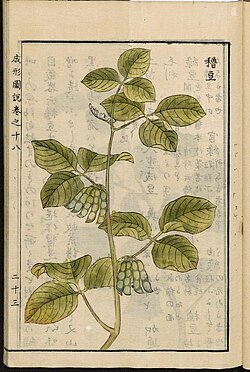
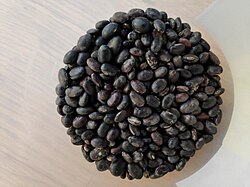
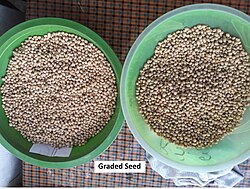
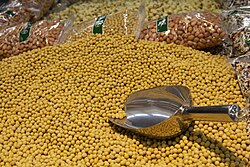
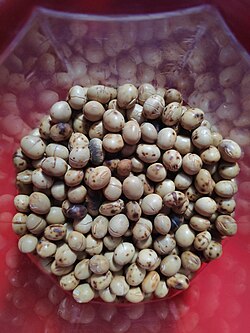
The soybean (*Glycine max*) is one of the most versatile and economically significant crops in the world. From being a staple in traditional Asian diets to serving as a primary component in global livestock feed and industrial products, this legume plays a massive role in modern food security and nutrition. Whether you are consuming tofu, using soy oil, or learning about its role in agriculture, understanding the soybean is key to understanding the modern global food system.
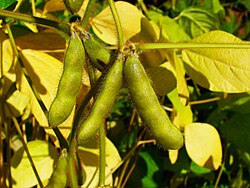
Key Facts
- Scientific Name: Glycine max
- Primary Uses: Human food, livestock feed, and industrial products (such as soy oil).
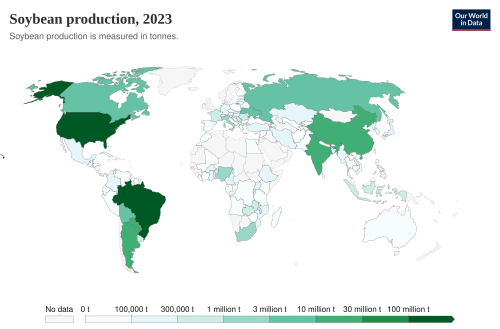
- Top Producers: Brazil and the United States lead global production.
- Nutritional Powerhouse: Extremely high in protein (approx. 36.5g per 100g).
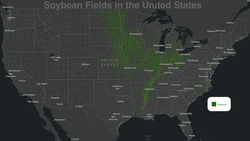
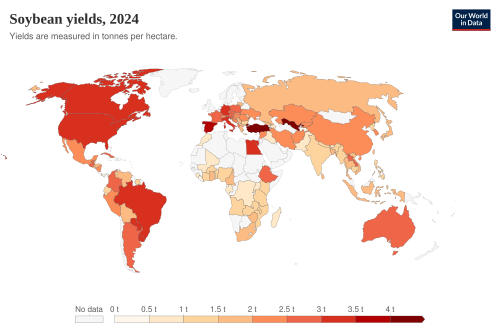
- Global Reach: Cultivated extensively in South America, North America, and Asia.
Biological Classification and Taxonomy
Soybeans belong to the family Fabaceae, a large group of plants commonly known as legumes. Within this family, they are classified under the genus Glycine. As of November 2025, scientific authorities recognize several subspecies, including Glycine max subsp. max and Glycine max subsp. soja.
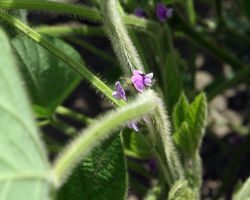
The plant's names vary significantly across cultures, reflecting its deep roots in different regions. In China, it is known as dàdòu ("large bean") or huángdòu ("yellow bean"), while in Japan, it is called daizu. In Korea, it is referred to as daedu.
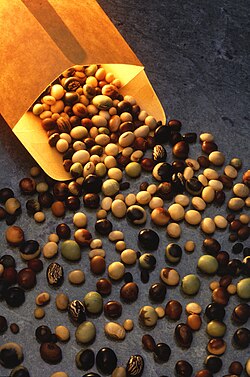
Global Production and Cultivation
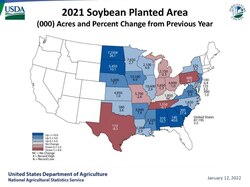
Soybean production is a massive global industry. In 2019, the world produced a total of 353 million tonnes of soybeans. The industry is dominated by a few key players, with Brazil and the United States accounting for over 66% of the total global output.
| Rank | Country | Production (Million Tonnes) | Percentage of World Total |
|---|---|---|---|
| 1 | Brazil | 122 | 34.56% |
| 2 | United States | 113 | 32.01% |
| 3 | Argentina | 49 | 13.88% |
| 4 | China | 20 | 5.67% |
| 5 | India | 11 | 3.12% |
| 6 | Paraguay | 11 | 3.12% |
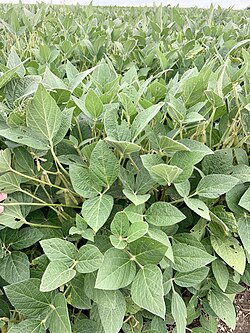
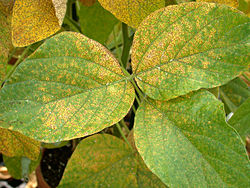
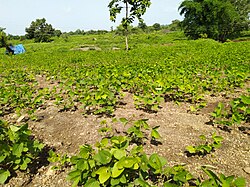
Cultivation requires careful management of soil conditions and protection against pests and diseases. For example, farmers must monitor for Soybean rust, a significant disease that can affect crop yields.


Nutritional Profile
Soybeans are an exceptional source of nutrition, particularly for those seeking plant-based protein. Compared to other major staples like maize, rice, or wheat, soybeans offer significantly higher protein and fat content, making them a dense energy source.
Protein and Amino Acids
A 100g serving of soybeans provides approximately 36.49g of protein. This includes a wide array of essential amino acids, such as leucine, lysine, and valine, which are critical for human health.
Vitamins and Minerals
Soybeans are rich in several micronutrients. Notable amounts include:
- Folate (Vitamin B9): 94% of the Daily Value (DV)
- Thiamine (Vitamin B1): 73% of the DV
- Manganese: 109% of the DV
- Copper: 184% of the DV
- Iron: 87% of the DV
Diverse Uses of Soy
The applications for soybeans are nearly endless. In the food industry, they are processed into a vast array of products ranging from traditional fermented foods to modern meat alternatives.
Food and Culinary Uses
Common soy-based foods include:
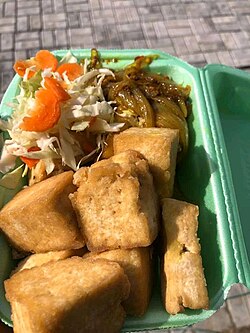
- Tofu and Soy Milk: Staples in many diets.
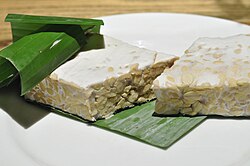
- Tempeh and Miso: Fermented soy products.
- Soy Sauce: A fundamental seasoning in many cuisines.
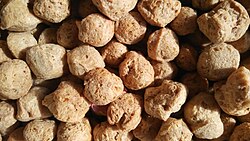
- Meat Alternatives: Soy chunks, soy burgers, and soy sausage.
- Specialty Items: Soy yogurt, soy-based cream cheese, and even soy candles.






Industrial and Agricultural Uses
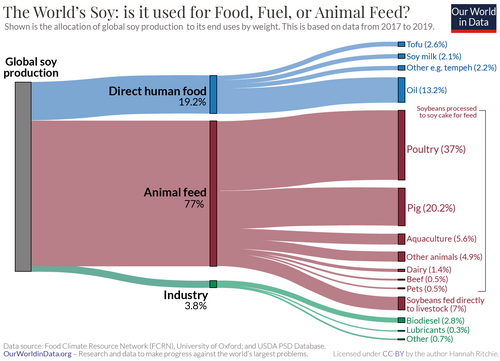
Beyond direct human consumption, a massive portion of the world's soybean crop—approximately 80%—is used as livestock feed. Additionally, soybean oil is used in various industrial applications, and even soy-based components have been used in the production of auto parts.
Frequently Asked Questions
What are the main nutritional benefits of soybeans?
Soybeans are highly nutritious, offering a high concentration of protein, healthy fats, and essential minerals like manganese and iron. They are also an excellent source of folate and various B vitamins.
How are soybeans used in the global economy?
Soybeans are used for human food (tofu, milk, oil), as a primary protein source in animal feed for livestock, and in various industrial applications including oils and manufacturing components.
Which countries produce the most soybeans?
Brazil and the United States are the world's leading producers, followed by Argentina and China.
Are there any health considerations regarding soy consumption?
While soy is highly nutritious, some individuals may experience soy allergies. Research also continues into the effects of soy on thyroid function and its relationship with various health outcomes.
What is the difference between soy oil and soy meal?
Soy oil is the liquid fat extracted from the bean, often used in cooking and industry, while soy meal is the solid residue remaining after oil extraction, frequently used as high-protein livestock feed.