Soviet Occupation of the Baltic States (1940)
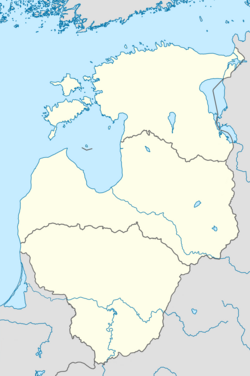
Between June and August 1940, the Soviet Union executed a swift and systematic military occupation of the Baltic states—Estonia, Latvia, and Lithuania. This operation, a critical component of the broader geopolitical shifts during World War II, resulted in the deposition of sovereign governments and the de facto annexation of these nations into the USSR. While the Soviet Union presented these transitions as voluntary requests for admission, the process was driven by military force and political coercion.
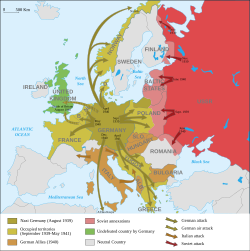
The occupation was not an isolated event but the culmination of strategic pressures that began in 1939. By leveraging the Molotov-Ribbentrop Pact with Nazi Germany, the Soviet Union secured a sphere of influence over the region, viewing the Baltic states as a necessary buffer to protect Leningrad from potential German incursions.
Key Facts
- Timeline: The primary military occupation occurred from June 15 to August 6, 1940.
- Method: The USSR used a combination of mutual assistance pacts, military blockades, and rigged elections to seize power.
- Scale: Approximately 500,000 Red Army troops were deployed to occupy the three states.
- Outcome: The Baltic governments were deposed, and the states were annexed as Soviet republics, though this was not widely recognized internationally.
- Repression: The occupation led to mass deportations of "enemies of the people" in June 1941.
The Road to Invasion: 1939 Pacts and the Winter War
The groundwork for the 1940 invasion was laid in September and October 1939. Following the Soviet invasion of Poland, the USSR compelled Estonia, Latvia, and Lithuania to sign mutual assistance pacts. These treaties granted the Soviet Union the right to establish military bases on Baltic soil.
The pressure began with Estonia on September 24, 1939, after the Soviets questioned Estonian neutrality. By October 1939, the Soviet Union had stationed 25,000 soldiers in Estonia, 30,000 in Latvia, and 20,000 in Lithuania. These bases served as strategic footholds for the Red Army.
Simultaneously, the Soviet Union launched the Winter War against Finland on November 30, 1939. Although the Baltic states remained officially neutral, the Soviet Union utilized bases in Estonia to launch bombing raids against Finland. The Winter War ended in March 1940 with the Moscow Peace Treaty, in which Finland retained its independence but ceded 9% of its territory to the USSR.
The Military Campaign of June 1940
By June 1940, the Soviet leadership shifted its focus toward full annexation. Under the command of Aleksandr Loktionov and directives from Semyon Timoshenko, the Red Army prepared a comprehensive assault. The plan included capturing naval vessels, blockading coasts to prevent government evacuation, and launching amphibious landings.
On June 12, 1940, the Soviet Baltic Fleet implemented a total military blockade of Estonia. This operation involved 120 vessels, including submarines and destroyers, supported by over 200 aircraft. The goal was to isolate the Baltic states from Sweden and Finland.
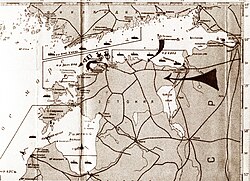
The invasion began on June 15, 1940, in Lithuania, followed by attacks on Latvian border guards at Masļenki and the subsequent invasion of Latvia and Estonia on June 16. The overwhelming numerical superiority of the Red Army ensured a rapid victory, with roughly 500,000 troops occupying the region within days.
Sovietization and Annexation
Once military control was established, the Soviet Union began the process of Sovietization—the forced transformation of the states' political and social structures. The existing Baltic governments were deposed, and the presidents of Estonia and Latvia were imprisoned, later dying in Siberia.
To provide a veneer of legitimacy, the Soviets organized rigged elections. Under strict supervision, puppet communist governments were installed. These new "people's assemblies" subsequently passed resolutions requesting admission into the Soviet Union, leading to their de facto annexation as Soviet republics.
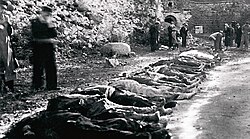
The occupation was marked by severe political terror. In June 1941, the Soviet authorities carried out mass deportations of individuals labeled as "enemies of the people." This brutality was so profound that when German forces occupied the region a week later, many locals initially greeted them as liberators.
Summary of Soviet Occupation
| Country | Initial Soviet Troop Presence (1939) | Invasion Date (1940) | Political Outcome |
|---|---|---|---|
| Estonia | 25,000 | June 16 | Annexed as Soviet Republic |
| Latvia | 30,000 | June 16 | Annexed as Soviet Republic |
| Lithuania | 20,000 | June 15 | Annexed as Soviet Republic |
Frequently Asked Questions
Why did the Soviet Union occupy the Baltic states?
The Soviet Union sought to create a strategic buffer zone to protect Leningrad and prevent Nazi Germany from using the Baltic states as a corridor for invasion, as outlined in the Molotov-Ribbentrop Pact.
Were the Baltic states' requests to join the USSR voluntary?
No. The requests were passed by puppet governments following rigged elections with falsified results, conducted under the supervision of the occupying Red Army.
What was the role of the mutual assistance pacts of 1939?
These pacts were used as a legal pretext to establish Soviet military bases within Estonia, Latvia, and Lithuania, which facilitated the full-scale invasion in 1940.
What happened to the Baltic leaders after the occupation?
The legitimate governments were deposed. Specifically, the presidents of Estonia and Latvia were imprisoned and eventually died in Siberia.
How did the local populations react to the Soviet rule?
While some communist parties provided internal support, the occupation led to widespread partisan resistance and deep resentment, particularly following the mass deportations of 1941.