Republic of LatviaLatvian historyRigaBaltic statesLatvian culture

Latvia: A Comprehensive Overview of History, Geography, and Culture

Exploring the Republic of Latvia: History, Geography, and Culture Located in Northern Europe on the eastern shores of the Baltic Sea, the Republic of Latvia is a nation defined by its res...

Exploring the Republic of Latvia: History, Geography, and Culture

Located in Northern Europe on the eastern shores of the Baltic Sea, the Republic of Latvia is a nation defined by its resilient history, lush landscapes, and rich cultural heritage. As a member of the European Union, Latvia serves as a vital link in the Baltic region, blending ancient traditions with modern European integration.
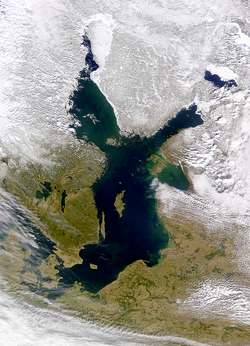
Latvia lies in Northern Europe, on the eastern shores of the Baltic Sea.
: Latvia lies in Northern Europe, on the eastern shores of the Baltic Sea.

Key Facts

The white wagtail is the national bird of Latvia.[117]
  • Capital: Riga
  • Official Language: Latvian (with Livonian and Latgalian recognized)
  • Government: Unitary parliamentary republic
  • Currency: Euro (€)
  • Independence: Declared 18 November 1918; restored 21 August 1991
  • Population: Approximately 1.84 million (2022 estimate)
  • Land Area: 64,589 km²

A Journey Through History
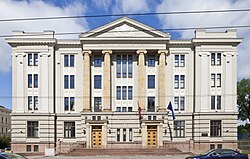
The building of the Ministry of Foreign Affairs in Riga

Medieval Roots and Foreign Rule

The foundations of Latvian identity trace back to the various Baltic tribes that inhabited the region long before the arrival of the Teutonic Order. During the medieval period, the landscape was shaped by shifting powers, including the influence of the Polish–Lithuanian Commonwealth and the Swedish Empire.
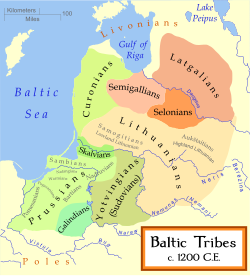
Baltic tribes before the coming of the Teutonic Order (c. 1200 AD). The East Balts are shown in brown hues while the West Balts are shown in green. The boundaries are approximate.
: Baltic tribes before the coming of the Teutonic Order (c. 1200 AD). The East Balts are shown in brown hues while the West Balts are shown in green. The boundaries are approximate.
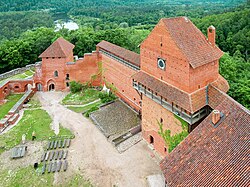
Turaida Castle near Sigulda, built in 1214 under Albert of Riga
: Turaida Castle near Sigulda, built in 1214 under Albert of Riga
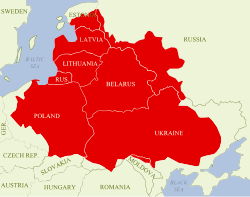
The Polish–Lithuanian Commonwealth at its largest extent; modern-day boundaries are also shown.
: The Polish–Lithuanian Commonwealth at its largest extent; modern-day boundaries are also shown.
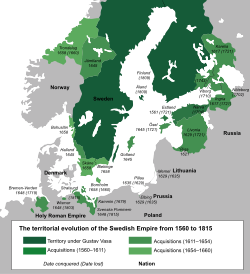
The Swedish Empire (1560–1815)
: The Swedish Empire (1560–1815)

The Struggle for Independence

Latvia's modern history is marked by a profound struggle for sovereignty. The nation declared its independence from Germany and Russia on 18 November 1918. However, the 20th century brought significant challenges, including various occupations between 1940 and 1990. The restoration of independence in 1991 marked a turning point, leading to the country's eventual integration into modern international structures.
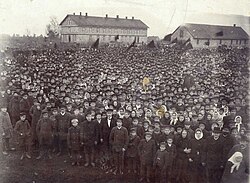
Latvians national rally in Dundaga in 1905
: Latvians national rally in Dundaga in 1905
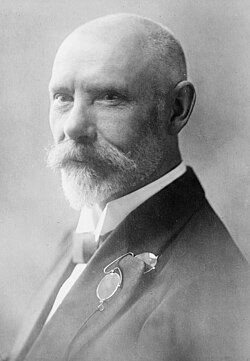
Jānis Čakste (1859–1927), the first president of Latvia
: Jānis Čakste (1859–1927), the first president of Latvia
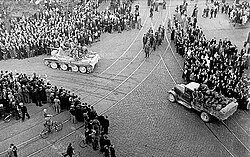
Red Army troops enter Riga (1940)
: Red Army troops enter Riga (1940)
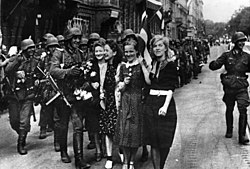
German soldiers enter Riga, July 1941.
: German soldiers enter Riga, July 1941.
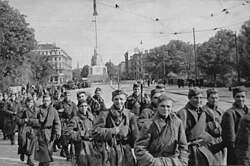
Red Army soldiers in front of the Freedom Monument in Riga in 1944
: Red Army soldiers in front of the Freedom Monument in Riga in 1944
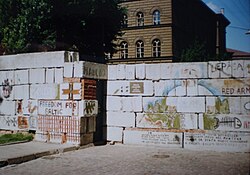
Barricade in Riga to prevent the Soviet Army from reaching the Latvian Parliament in July 1991
: Barricade in Riga to prevent the Soviet Army from reaching the Latvian Parliament in July 1991
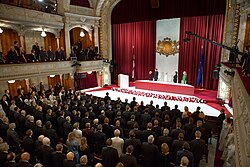
The ceremonial meeting of the Saeima in 2018 in honor of the 100th anniversary of the proclamation of the Republic of Latvia at the Latvian National Theatre, where the country was founded on 18 November 1918
: The ceremonial meeting of the Saeima in 2018 in honor of the 100th anniversary of the proclamation of the Republic of Latvia at the Latvian National Theatre, where the country was founded on 18 November 1918

Geography and Environment

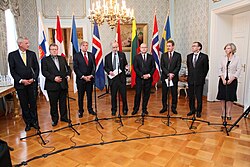
Foreign ministers of the Nordic and Baltic countries in Helsinki, 2011

Landscape and Climate

Latvia is characterized by its diverse natural beauty. It boasts one of the highest proportions of forest cover in the European Union, making it a haven for biodiversity. The climate is primarily a humid continental climate with a warm summer subtype, though it can also exhibit oceanic characteristics. Weather patterns vary significantly, with temperatures ranging from extreme winter lows to warm summer highs.
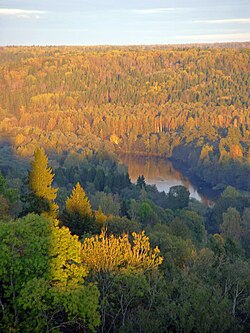
Latvia has the fifth highest proportion of land covered by forests in the European Union.
: Latvia has the fifth highest proportion of land covered by forests in the European Union.

The nation's geography is divided into several historical regions, including Courland, Semigallia, Vidzeme, Latgale, and Selonia.
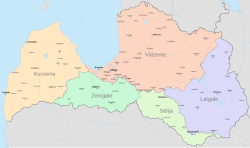
Historical regions: Courland Semigallia Vidzeme Latgale Selonia
: Historical regions: Courland Semigallia Vidzeme Latgale Selonia

Administrative and Urban Centers

The capital, Riga, is the largest city and the economic and cultural heart of the country. Beyond the capital, the nation is organized into various administrative divisions to manage its territory and resources effectively.
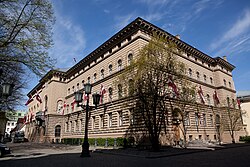
The building of the Saeima, the parliament of Latvia, in Riga
: The building of the Saeima, the parliament of Latvia, in Riga
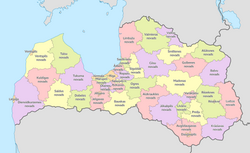
Administrative divisions of Latvia
: Administrative divisions of Latvia
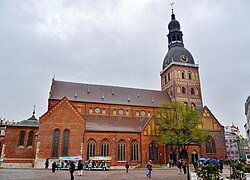
Riga Cathedral
Riga Cathedral
: Riga Cathedral
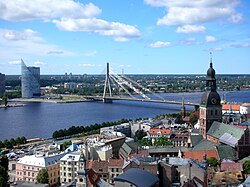
The historic Centre of Riga was declared a World Heritage Site by UNESCO in 1997.
: The historic Centre of Riga was declared a World Heritage Site by UNESCO in 1997.

Economy and Infrastructure

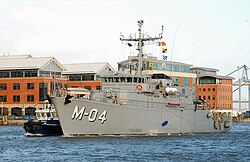
Latvian Naval Forces minehunter Imanta

Latvia possesses a developing economy with significant contributions from transport, energy, and services. The country utilizes the Euro as its currency and is an active participant in the European single market. Key infrastructure includes major ports like Ventspils and international hubs like Riga International Airport.
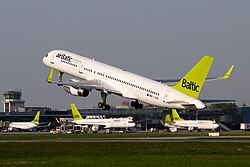
An airBaltic Boeing 757−200WL takes off at Riga International Airport (RIX).
: An airBaltic Boeing 757−200WL takes off at Riga International Airport (RIX).
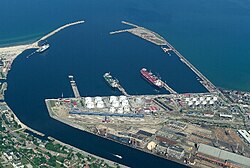
The Port of Ventspils is one of the busiest ports in the Baltic states.
: The Port of Ventspils is one of the busiest ports in the Baltic states.

Economic Indicators

Latvia Economic Overview (2025 Estimates)
Indicator Total Value Per Capita Value
GDP (PPP) $82.400 billion $44,110
GDP (Nominal) $47.880 billion $25,630
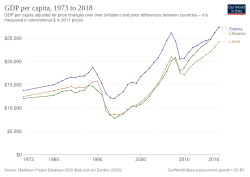
Real GPD per capita development of Estonia, Latvia and Lithuania
: Real GPD per capita development of Estonia, Latvia and Lithuania

Society and Culture

CVR(T) Scimitars and M109 howitzers in the Latvian Land Forces service

Demographics and Language

The Latvian population is ethnically diverse, with Latvians making up the majority (65.5%), followed by Russians (24.1%) and smaller groups of Belarusians, Ukrainians, and Poles. While Latvian is the official language, Livonian and Latgalian are recognized languages within the country.
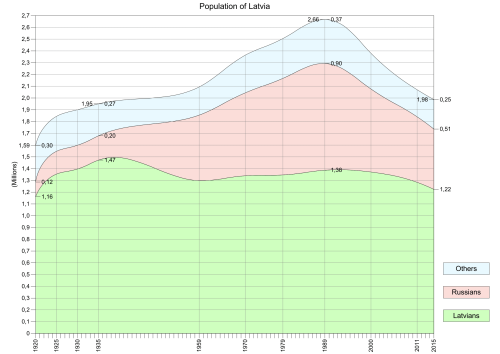
Population of Latvia (in millions) from 1920 to 2014
: Population of Latvia (in millions) from 1920 to 2014

Religion and Traditions

Christianity is the predominant religion, with Lutheranism and Catholicism being the largest denominations. Latvian culture is deeply rooted in tradition, most notably expressed through the Latvian Song and Dance Festival, a massive celebration of national identity and musical heritage.
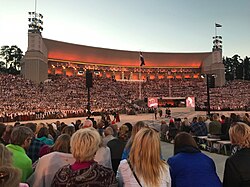
Participants of the Latvian Song and Dance Festival in 2018
: Participants of the Latvian Song and Dance Festival in 2018

Education and Modern Life

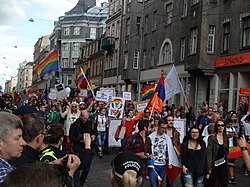
Latvia places a strong emphasis on education and science, with institutions like the University of Latvia playing a central role. In modern times, the country is also a participant in European social movements and international sports, from basketball to ice hockey.
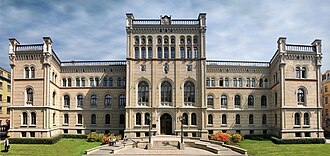
University of Latvia
: University of Latvia
Europride 2015 in Riga
: Europride 2015 in Riga
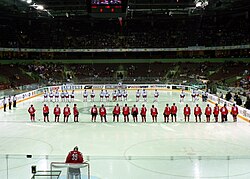
Arena Riga during the 2006 IIHF World Championship
: Arena Riga during the 2006 IIHF World Championship
Kristaps Porziņģis
Kristaps Porziņģis
: Kristaps Porziņģis

Frequently Asked Questions

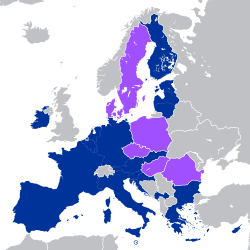
Latvia is part of + European single market Schengen Area (not shown).

What is the capital of Latvia?

The capital and largest city of Latvia is Riga.

What are the official languages in Latvia?

The official language is Latvian. Additionally, Livonian and Latgalian are recognized languages.

When did Latvia regain its independence?

Latvia restored its independence on 21 August 1991.

What is the currency used in Latvia?

Latvia uses the Euro (€).

What is the main religion in Latvia?

Christianity is the largest religion in Latvia, with Lutheranism and Catholicism being the most prominent groups.