Southern Ontario: Canada's Economic and Cultural Heartbeat
Southern Ontario stands as the most densely populated and southernmost region in Canada. As a primary region of the province, it serves as a vital engine for the nation, housing approximately 13.48 million people—roughly 36% of Canada's total population. From the bustling streets of Toronto to the historic landscapes of the Great Lakes, this region is defined by its diverse geography, complex history, and immense economic influence.
The region is characterized by a transition in natural landscapes. While the northern reaches touch the coniferous forests near the Mattawa River, the core area is dominated by southern deciduous forests. This geographic distinction often marks the boundary between Southern and Northern Ontario, though the exact line remains a subject of discussion among geographers.
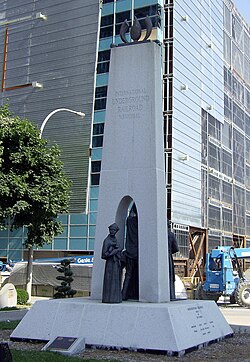
Key Facts
- Population: Approximately 13.48 million (2021 data).
- Major Cities: Toronto (Canada's largest) and Ottawa (Canada's capital).
- Economic Drivers: Manufacturing, finance, technology, and agriculture.
- Climate: Humid continental with four distinct seasons.
- Primary Subregions: Central Ontario, Eastern Ontario, the Golden Horseshoe, and Southwestern Ontario.
A Rich Tapestry of History
The history of Southern Ontario is a layered narrative of indigenous presence and colonial shifts. Long before European contact, the land was home to various nations, including the Wyandot, Petun, Neutral Nation, Algonquins, and Mississaugas. These indigenous communities established deep roots across the Georgian Bay, Ottawa River, and Kawartha regions.
European influence began in the 17th century with French exploration and colonization. Following the Seven Years' War, British control was established, further bolstered by the arrival of United Empire Loyalists after the American Revolution. The region also played a critical role in the War of 1812 and served as a vital destination for those escaping slavery via the Underground Railroad.
Demographic Evolution
Today, Southern Ontario is one of the world's premier destinations for immigration. While early settlement was driven by European arrivals in the 19th and 20th centuries, the late 20th century saw a significant increase in immigration from Asia and other global regions. This has created a highly multicultural society, most notably within the Greater Toronto Area.
Economic Powerhouses and Industry
The economy of Southern Ontario is multifaceted, ranging from heavy industry to high-tech services. The region contains a significant portion of the Rust Belt, with southern tier cities like Windsor, London, and St. Catharines maintaining strong automobile and industrial bases. Notably, since the mid-2000s, Ontario has produced more vehicles annually than the state of Michigan.
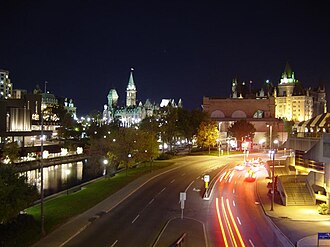
In contrast to the industrial south, the major urban centers of Toronto and Ottawa have transitioned toward service and knowledge-based economies. Toronto serves as Canada's financial hub, housing the country's major banks and the Toronto Stock Exchange, while Ottawa functions as the seat of the federal government and a growing technology center.
Agriculture and Natural Resources
Beyond the urban sprawl, the region is an agricultural leader. Much of Ontario's farming, including the majority of the province's berry production, is concentrated here due to the more moderate climate and arable land.
Tourism and Natural Attractions
Southern Ontario is a global tourism magnet. Niagara Falls remains one of the world's most visited natural wonders, attracting over 14 million tourists annually. Urban tourism is equally significant, with Toronto and Ottawa drawing millions of international and domestic visitors each year.
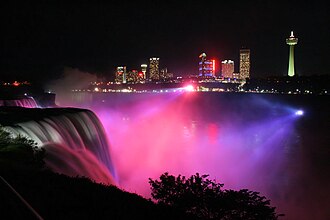
Nature lovers can explore the Great Lakes coastline at beaches such as Wasaga, Grand Bend, and Sandbanks. The Niagara Escarpment provides diverse recreational opportunities, including hiking and skiing, while the Ottawa River is a world-renowned destination for white-water rafting.

Regional Statistics Summary
| Category | Details |
|---|---|
| Primary Region Area | 114,217 km² |
| Core Area Population | 13,367,749 |
| Population Density | 118/km² |
| Time Zone | UTC−5 (EST) / UTC−4 (EDT) |
Transportation and Infrastructure
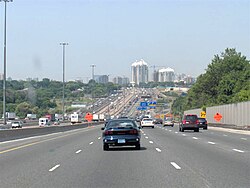
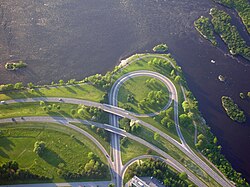
The region boasts a highly developed transportation network. The King's highways system (400-series highways) facilitates rapid movement across the province, with major arteries like Highway 401 serving as critical corridors. Air travel is anchored by Toronto Pearson International Airport, which is one of the busiest in the world.
Frequently Asked Questions
What are the main subregions of Southern Ontario?
The region is divided into several distinct subregions, including Central Ontario, Eastern Ontario, the Golden Horseshoe, and Southwestern Ontario.
How does the climate in Southern Ontario compare to Northern Ontario?
Southern Ontario has a more moderate, humid continental climate due to its lower latitude and proximity to large bodies of water, making it generally warmer than the northern part of the province.
Which cities are the largest in the region?
Toronto is the largest city in the region and the country, while Ottawa serves as the national capital.
What industries drive the Southern Ontario economy?
The economy is driven by a mix of manufacturing (particularly automotive), finance, technology, government services, and agriculture.
Is Southern Ontario prone to extreme weather?
Yes, the region can experience various weather events, including thunderstorms, localized flooding, ice storms, blizzards, and occasionally tornadoes on the periphery of Tornado Alley.