South America: Sovereign States and Dependent Territories
South America is a vast and diverse continent, ranking fourth in total area and fifth in population globally. Covering approximately 17,840,000 square kilometres (6,890,000 sq mi), it accounts for nearly 3.5% of the Earth's total surface area. As of 2018, the continent's population was estimated to be over 430 million people.
Geographically, the continent is bounded by the Pacific Ocean to the west and the Atlantic Ocean to the north and east. To the northwest lie North America and the Caribbean Sea. The transition between North and South America occurs at the Isthmus of Panama, with most atlases defining the border along the Darién Mountains watershed, known as the Darién Gap, where the Colombia–Panama border is located.
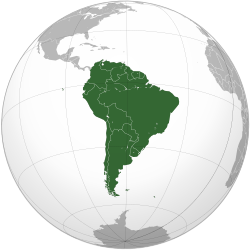
Key Facts
- Total Area: Approximately 17,840,000 sq km.
- Population: Over 430 million (2018 estimate).
- Political Composition: 12 sovereign states and 3 non-sovereign dependent territories.
- Global Rank: 4th largest continent by area; 5th largest by population.
- Borders: Pacific Ocean (West), Atlantic Ocean (North and East).
Defining Sovereignty in South America
A sovereign state is defined as a political association that maintains effective sovereignty over a population and makes decisions in the national interest. According to the Montevideo Convention, a state must possess four specific criteria: a permanent population, a defined territory, a government, and the capacity to enter into relations with other states.
The 12 sovereign states of South America are all members of the United Nations and have been members of the Union of South American Nations.
Sovereign States of South America
The continent is home to a variety of nations, ranging from the massive landmass of Brazil to smaller republics like Suriname. Each maintains its own currency and administrative capital.
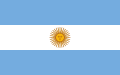
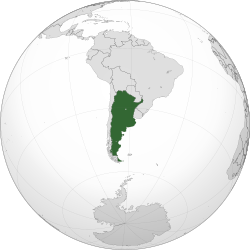
Argentina
The Argentine Republic is centered around its capital, Buenos Aires, and uses the Argentine peso.
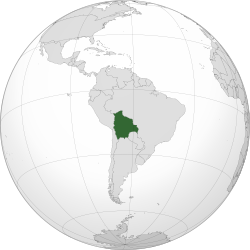
Bolivia
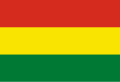
The Plurinational State of Bolivia has a unique administrative setup with Sucre as the official capital and La Paz as the seat of government. It uses the Bolivian boliviano.
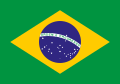
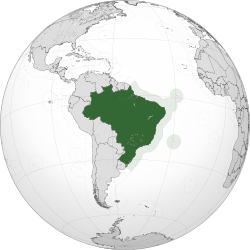
Brazil
The Federative Republic of Brazil is the largest country on the continent by both area and population, with its capital at Brasília and using the Brazilian real.
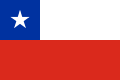
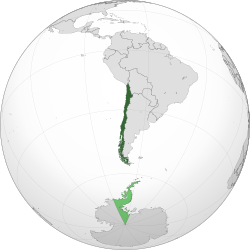
Chile
The Republic of Chile, with its capital in Santiago, uses the Chilean peso. Its territory includes Easter Island in the Pacific Ocean.
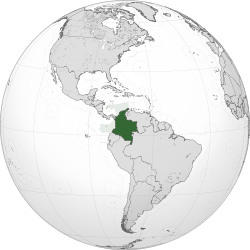
Colombia
The Republic of Colombia is headquartered in Bogotá and utilizes the Colombian peso.
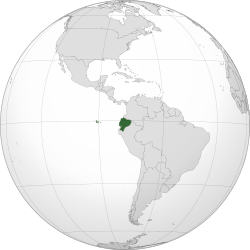
Ecuador
The Republic of Ecuador, with its capital in Quito, is notable for using the United States dollar as its currency.
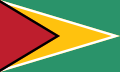
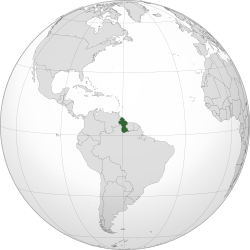
Guyana
The Co-operative Republic of Guyana is centered in Georgetown and uses the Guyanese dollar.
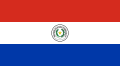
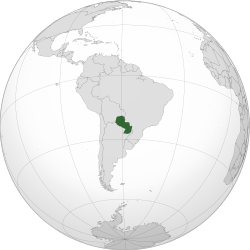
Paraguay
The Republic of Paraguay has its capital in Asunción and uses the Paraguayan guaraní.
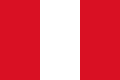
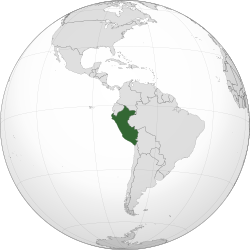
Peru
The Republic of Peru is governed from Lima and uses the Peruvian sol.
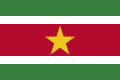
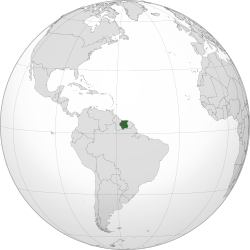
Suriname
The Republic of Suriname, with its capital in Paramaribo, uses the Surinamese dollar.
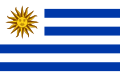
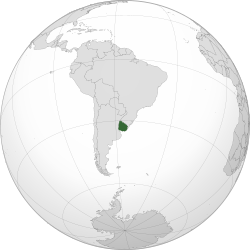
Uruguay
The Eastern Republic of Uruguay is centered in Montevideo and uses the Uruguayan peso.
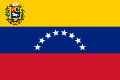
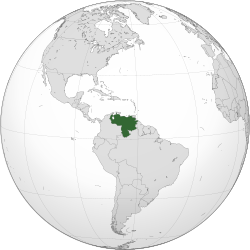
Venezuela
The Bolivarian Republic of Venezuela is governed from Caracas and uses the Venezuelan bolívar.
Non-Sovereign Dependent Territories
In addition to sovereign states, South America includes territories that are under the jurisdiction of other nations.
External Territories (United Kingdom)
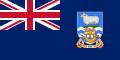
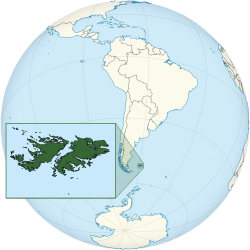
The Falkland Islands, with its capital at Stanley, is a British overseas territory.
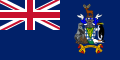
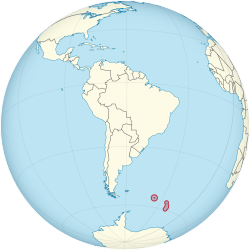
South Georgia and the South Sandwich Islands are also British overseas territories. While geographically associated with Antarctica, they are included in South America for geopolitical reasons by the United Nations. The territory has no permanent population, housing only government officers, scientists, and support staff.
Internal Territories (France)
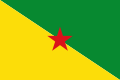
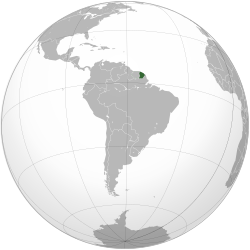
French Guiana is an overseas department and region of France, as well as an outermost region of the European Union. It is fully integrated into the French central state and its capital is Cayenne.
Economic and Demographic Overview
The economic landscape of South America varies significantly, as seen in the GDP (PPP) per capita estimates. The following table provides a summary of the sovereign states and key territories.
| Country/Territory | Capital | Currency | GDP (PPP) per capita (Est.) |
|---|---|---|---|
| Argentina | Buenos Aires | Argentine peso | 14,200 |
| Bolivia | Sucre / La Paz | Boliviano | 4,500 |
| Brazil | Brasília | Brazilian real | 10,100 |
| Chile | Santiago | Chilean peso | 14,900 |
| Colombia | Bogotá | Colombian peso | 8,900 |
| Ecuador | Quito | US Dollar | 7,500 |
| Falkland Islands | Stanley | Falkland Islands pound | 35,400 (2002) |
| French Guiana | Cayenne | Euro | 6,000 (2001) |
| Guyana | Georgetown | Guyanese dollar | 3,900 |
| Paraguay | Asunción | Paraguayan guaraní | 4,200 |
| Peru | Lima | Peruvian sol | 8,400 |
| Suriname | Paramaribo | Surinamese dollar | 8,900 |
| Uruguay | Montevideo | Uruguayan peso | 12,200 |
| Venezuela | Caracas | Venezuelan bolívar | 13,500 |
Frequently Asked Questions
What defines the border between North and South America?
The border is located at the Isthmus of Panama. Most sources follow the Darién Mountains watershed along the Colombia–Panama border, an area known as the Darién Gap.
Which South American country uses the US Dollar?
Ecuador uses the United States dollar as its official currency.
How many sovereign states are there in South America?
There are 12 sovereign states on the continent.
What is the status of French Guiana?
French Guiana is an internal territory of France, serving as an overseas department, region, and single territorial collectivity, and is also an outermost region of the European Union.
Which territory has no permanent population?
South Georgia and the South Sandwich Islands have no permanent population, though they are inhabited by government officers, scientists, and support staff.