Smithsonian Libraries: A Comprehensive Guide to Global Research Collections
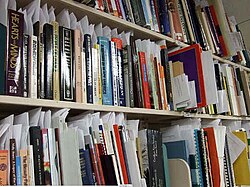
The Smithsonian Libraries serve as the intellectual backbone of the Smithsonian Institution, housing vast repositories of knowledge that mirror the diverse scholarly pursuits of its curators and researchers. From the depths of tropical biology to the evolution of American art, these collections provide essential resources for both internal institutional research and external global scholarship.
Beyond traditional academic texts, the system manages a wide array of materials, including the largest trade literature collection in the United States. This unique archive contains commercial catalogs from approximately 40,000 companies, with some records dating back to the early nineteenth century.
Key Facts
- Global Reach: Libraries are located in Washington, D.C., New York City, Suitland and Edgewater, Maryland, and the Republic of Panama.
- Specialized Depth: Collections span arts, aviation, natural history, anthropology, and the history of science.
- Rare Materials: The Special Collections Department manages rare books and manuscripts, including the Dibner and Cullman libraries.
- Diverse Formats: Archives include oral histories, electronic records, audio-visual materials, and grey literature (government reports and manuals).
General Collections and Subject Specialties
Most Smithsonian Libraries are concentrated in the Washington, D.C. area to support the institution's museums and research centers, though several key branches operate internationally and across the U.S. East Coast.
Arts, Design, and Culture
- American Art Museum / National Portrait Gallery / Renwick Gallery: Focuses on American crafts, portraiture, history, and biography.
- Cooper-Hewitt, National Design Museum (New York): Specializes in decorative arts and design from the Renaissance to the modern era.
- Freer Gallery of Art and Arthur M. Sackler Gallery: Dedicated to Asian artistic traditions, with a heavy emphasis on Chinese and Japanese art.
- Hirshhorn Museum and Sculpture Garden: Covers contemporary and modern art, including video and emerging media.
- Warren M. Robbins Library (National Museum of African Art): Focuses on African visual arts, from rock art and pottery to textiles and photography.
History and Humanities
- National Museum of American History: Covers social, political, and economic American history, as well as the history of technology.
- National Museum of African American History and Culture: Documents all aspects of the African American experience.
- Anacostia Community Museum: Focuses on the African diaspora in the Western hemisphere, specifically the Upper South and the D.C. area.
- Vine Deloria Jr. Library (National Museum of the American Indian): Comprehensive resources on American Indian cultures, including law, religion, and languages.
- National Postal Museum: Specializes in philatelic and postal history.
Science, Nature, and Technology
- National Museum of Natural History: A hub for biology, paleontology, and geology, with satellite branches for Mineral Sciences and Zoology.
- Botany and Horticulture Library: Covers plant systematics, ethnobotany, and arboriculture.
- John Wesley Powell Library of Anthropology: Focuses on archaeology, linguistics, and forensic science.
- National Air and Space Museum: Specializes in astrophysics, spacecraft design, and aviation history.
- National Zoological Park: Focuses on veterinary medicine, genetics, and wildlife conservation.
- Smithsonian Environmental Research Center (Maryland): Emphasizes coastal ecosystems and the Chesapeake Bay.
- Smithsonian Tropical Research Institute (Panama): Specializes in tropical biology and pharmacognosy (the study of medicinal drugs derived from plants).

Special Collections and Rare Archives
While many libraries hold unique items, the Special Collections Department is specifically dedicated to the arrangement and preservation of rare manuscripts and books. Access to these materials is granted to staff and outside scholars by appointment.
Dedicated Special Libraries
- The Dibner Library of the History of Science and Technology: Located in the National Museum of American History, it houses 35,000 books and 2,000 manuscripts.
- The Cullman Library of Natural History: Located in the National Museum of Natural History, it contains 10,000 volumes published before 1840.

Aviation Special Collections
The National Air and Space Museum maintains two distinct special repositories. The Dewitt Clinton Ramsey Room houses rare serials and oral histories, while the Aerospace Legacy Materials (ALM) Collection in Landover, Maryland, focuses on grey literature—technical government manuals and reports that document the evolution of civil aviation.
![SIL exhibition: Picturing Words, the Power of Book Illustration.[26] The Digital Services Division manages the online presence of SIL's exhibitions.](/images/81/60/816035299335c50beec98362755d5aaa75d0035be23fecb9c42692b1efd178ef.jpg)
Institutional Archives
The Smithsonian archives preserve the institutional memory of the organization. These collections include documents, images, and video histories regarding expeditions and biographies, ensuring that the history of the Smithsonian Institution itself is preserved for future generations.
Collection Summary Table
| Library/Collection | Primary Subject Focus | Key Feature |
|---|---|---|
| Dibner Library | Science & Technology | 35,000 books; 2,000 manuscripts |
| Cullman Library | Natural History | Pre-1840 volumes |
| Tropical Research Institute | Tropical Biology | Located in Republic of Panama |
| ALM Collection | Civil Aviation | Extensive grey literature |
| Trade Literature | Commercial History | Records of 40,000 companies |
Frequently Asked Questions
How can outside scholars access the Special Collections?
Outside scholars may access rare books and manuscripts in the Special Collections Department by making an appointment.
What is "grey literature" in the context of the ALM Collection?
Grey literature refers to materials that are not published through traditional commercial channels, such as government manuals, reports, studies, and surveys.
Where are the Smithsonian Libraries located?
Most are in Washington, D.C., but there are also locations in New York City, Suitland and Edgewater, Maryland, and the Republic of Panama.
What makes the Smithsonian trade literature collection unique?
It is the largest of its kind in the United States, featuring commercial catalogs from approximately 40,000 companies dating back to the early nineteenth century.
Which library focuses on the African diaspora in the D.C. area?
The Anacostia Community Museum Library supports research on the history and culture of the African diaspora, specifically within the Western hemisphere and the Upper South.