Slavery in Global History: From Ancient Civilizations to Modern Abolition
The history of slavery is a complex and harrowing narrative that spans nearly every culture, nationality, and religion known to humanity. From the earliest hunter-gatherer societies to the sophisticated legal frameworks of the modern era, the practice of enslavement has evolved in form and scale. While the social, economic, and legal status of the enslaved varied wildly across different eras, the core of the institution remained the exercise of power and control over another human being.
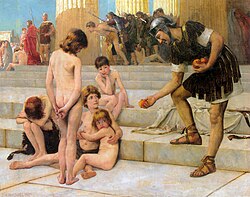
Slavery was institutionalized as early as the first civilizations. In Mesopotamia, the Code of Hammurabi (c. 1750 BC) documented slavery as an established social institution. While some early forms of servitude were hereditary or based on debt, the rise of large-scale agriculture and economic complexity paved the way for chattel slavery—a system where enslaved people are treated as personal property to be bought and sold.
Key Facts
![13th century slave market in Yemen.[21]](/images/d1/1b/d11be01e4cdd167d887f83cc91a8d3c21b67523d7ad3e97481f6c9396054b851.jpg)
- Ancient Origins: Slavery dates back to at least 4000 BC in Sumer, Mesopotamia.
- Global Reach: The practice was widespread across Europe, Asia, the Middle East, Africa, and the Americas.
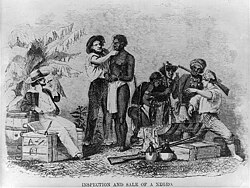
- Transatlantic Trade: Initiated by Portuguese merchants in the 16th century, this trade forcibly moved millions of Africans to the Americas.
- Legal Evolution: Systems ranged from domestic servitude and debt bondage to industrial-scale plantation slavery.
- Abolition: Movements in the 18th and 19th centuries led to national bans, though contemporary forms like human trafficking persist.
Regional Systems of Enslavement

Africa and the Islamic World
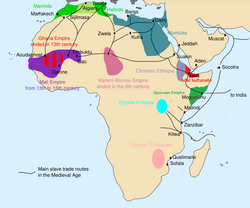
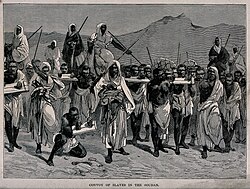
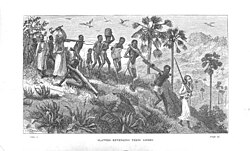
Islamic slavery operated from the 7th to the 20th century, encompassing Western and Central Asia, Northern and Eastern Africa, and parts of Europe. Under Islamic law, the enslavement of non-Muslims was permitted, leading to extensive trafficking networks. These included the Trans-Saharan, Red Sea, and Indian Ocean trade routes, as well as the Balkan and Crimean trades in the north.
The Transatlantic Slave Trade
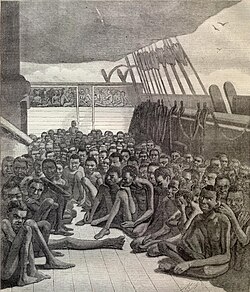
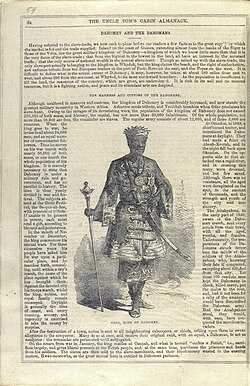
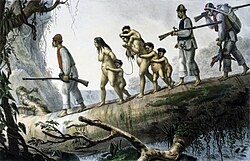
Beginning in the 16th century, European merchants—led initially by Portugal—established the transatlantic trade. To avoid tropical diseases and inland violence, traders primarily dealt with West African kingdoms, exchanging guns, gunpowder, cloth, and copper manillas for imprisoned Africans. These captives were then transported across the Atlantic to fuel the labor demands of colonies in the Americas.
Asia and Europe
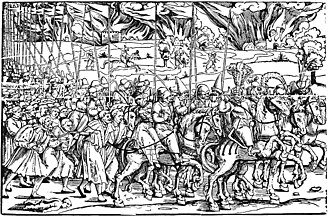
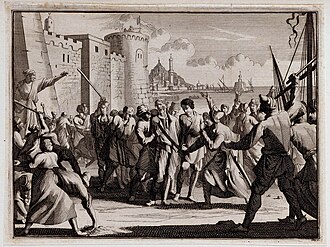
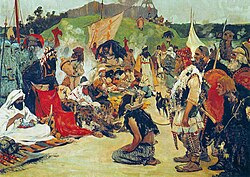
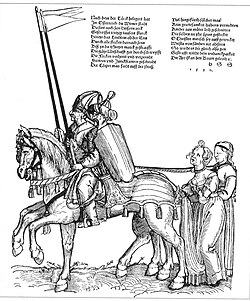
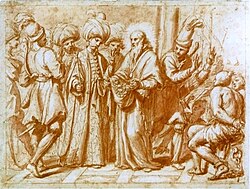
In Asia, slavery existed in ancient India and China, with records from the Tang dynasty detailing the purchase of slaves for silk and coins. In Europe, while slavery declined during the Early Middle Ages, it persisted through the capture of prisoners of war. During the Mediterranean conflicts, both Christians and Muslims enslaved one another, with the Barbary pirates and Ottoman Empire playing significant roles in the trafficking of captives.
The Americas and the Plantation Economy
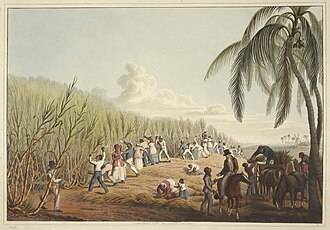
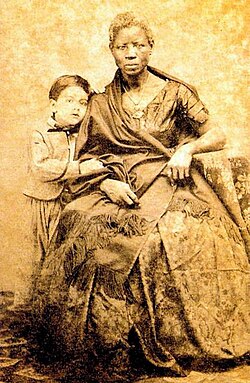
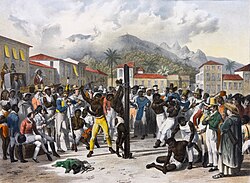
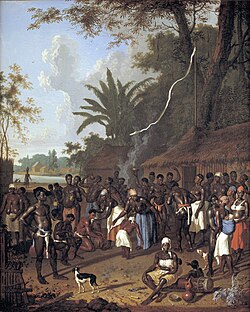
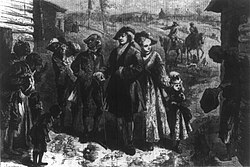
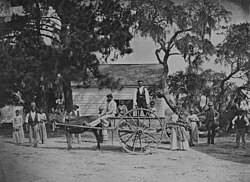
In the New World, slavery became the backbone of the colonial economy. In Brazil and the Caribbean, enslaved people were forced into grueling labor on sugar plantations. In the United States, the system evolved through colonial law into a rigid racial hierarchy, eventually becoming a primary cause of the American Civil War.
| Trade Network | Primary Regions Involved | Key Characteristics |
|---|---|---|
| Transatlantic | Africa, Europe, Americas | Industrial scale, racialized, plantation-based labor. |
| Trans-Saharan | Sub-Saharan Africa, North Africa | Caravan-based transport across the desert. |
| Indian Ocean | East Africa, Middle East, India | Maritime trade involving diverse ethnic groups. |
| Balkan/Crimean | Eastern Europe, Ottoman Empire | Captives from warfare and regional raids. |
Resistance and the Path to Abolition
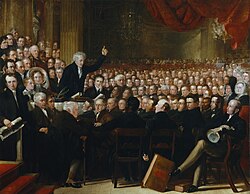
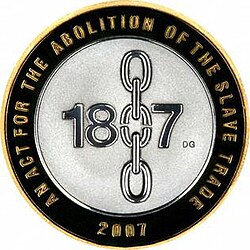
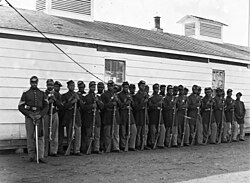
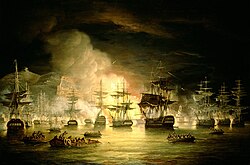
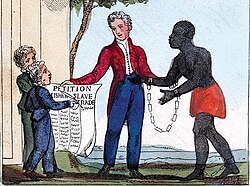
The fight against slavery grew in intensity during the late 18th century. Abolitionist movements in Britain and France pushed for legislative changes, leading to the curtailment of the slave trade. In the United States, the struggle culminated in the American Civil War and the subsequent emancipation of enslaved people.
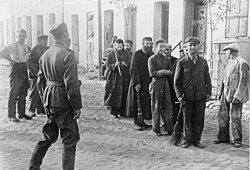
Efforts to enforce these laws included the British Preventative Squadron and the American African Slave Trade Patrol. Despite these victories, the 20th century saw the emergence of new forms of forced labor, such as those implemented by the Nazi regime during World War II.
Frequently Asked Questions

![A Meccan merchant (right) and his Circassian slave. Entitled, "Vornehmer Kaufmann mit seinem cirkassischen Sklaven" [Distinguished merchant and his circassian slave] by Christiaan Snouck Hurgronje, c. 1888.](/images/e8/9d/e89d750ded7e65d7a31abb4b35da5f81bbcff66438de00e58910793e7f06d1aa.jpg)
![Burning of a Village in Africa, and Capture of its Inhabitants (p. 12, February 1859, XVI)[372]](/images/24/b3/24b3a835d360ded1c4e698187d24b0b6373a9fd311ac58b8d6386caba9900f80.jpg)

![Protector of Slaves Office (Trinidad), Richard Bridgens, 1838.[413]](/images/82/74/827498a85025bda2fdb13cbcdde1a519cad84034dfeb27cd55a39fa105c80ff8.jpg)

What is the difference between chattel slavery and other forms of servitude?
Chattel slavery is a specific system where the enslaved person is legally considered the personal property of the owner, who can buy, sell, or inherit them. Other forms, such as debt bondage or indentured servitude, are often temporary or based on a contractual obligation.
How did the transatlantic slave trade impact West African societies?
The demand for enslaved people by European merchants drove local warfare and instability, as African kingdoms captured and sold prisoners in exchange for desired goods like firearms and textiles.
When was slavery officially abolished in the Americas?
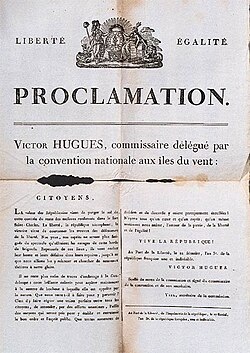
Abolition happened at different times across the region; for example, France abolished slavery in its colonies in 1794 (though Napoleon later restored it), while the United States ended it following the Civil War in the 1860s.
Does slavery still exist today?
Yes, although legal chattel slavery is abolished worldwide, contemporary slavery exists in the form of human trafficking, forced labor, and debt bondage.