Colonial Slavery in British North America: Origins and Evolution
The institution of slavery in the British American colonies did not emerge overnight. Instead, it developed through a complex intersection of economic demands, industrialized agriculture, and the influence of existing slave labor systems on nearby European-colonized Caribbean islands. While often associated primarily with the later United States, the colonial era laid the legal and social foundations for centuries of forced labor.
Before the 1650s, African-based industrial slavery was not yet established in the colonies. During this early period, British American colonists primarily targeted Native Americans for indentured service—a form of enslavement where individuals were bound to work for a specific period or indefinitely.
By the 1650s, Southern colonies began enslaving both Native Americans and African Americans to support industrial plantations. As indigenous populations plummeted due to imported diseases, Europeans increased the importation of African slaves. Many of these individuals were first brought from European-owned sugar plantations in the West Indies to work on tobacco plantations in the mainland colonies.
The timeline of early arrival is marked by key milestones. While the 1587 Roanoke Colony was found abandoned by 1590, the second English attempt, Jamestown, was founded in 1606. The first documented Africans arrived in Jamestown in August 1619 via the frigate White Lion. By the 1624 census, two individuals, Antoney and Isabella, were recorded as African residents.
![A map of the Thirteen Colonies in 1770, showing number of slaves in each colony and percentage of colony's total population held as slaves[1]](/images/5e/32/5e32bc60ecc493146dbad14a092878f28ab132011be9e82272e939eac08170fe.jpg)
Key Facts
- Early Targets: Native Americans were the primary targets of enslavement before the 1650s.
- The 1619 Arrival: The first documented Africans arrived in Jamestown in August 1619.
- Scale of Trade: In the Province of Carolina (1670–1715), between 24,000 and 51,000 Native Americans were sold into slavery.
- Legal Framework: South Carolina established the first full-scale slave code in British North America in 1696, based on the Barbados code of 1661.
- Refuge: Fort Mose in Spanish Florida served as a haven for escaped slaves who converted to Catholicism and pledged allegiance to Spain.
The Enslavement of Native Americans
Large-scale enslavement of Native Americans was practiced across Puritan New England, Virginia, Spanish Florida, and the Carolina colonies. Colonists often utilized indigenous proxies to wage war and capture slaves. In New England, slave raiding was prominent during the Pequot War and King Philip's War, though it declined after 1676.
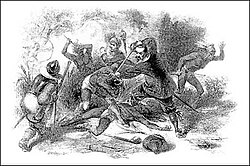
In the South, cooperation between English colonists and groups like the Westo and Occaneechi peoples—who were armed with guns—led to raids across present-day Georgia, Tennessee, North Carolina, South Carolina, Florida, and possibly Alabama. The Carolina slave trade was the largest in British North America; historian Alan Gallay estimates 24,000 to 51,000 Native Americans were exported, primarily to the Caribbean "sugar islands."
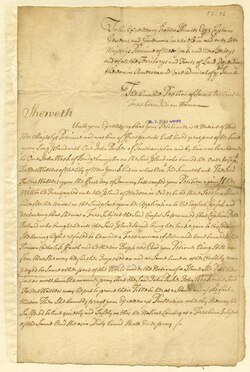
The scale of this practice was immense. Andrés Reséndez estimates that between 147,000 and 340,000 Native Americans were enslaved in North America, excluding Mexico. Even after the organized Indian Slave Trade ended around 1750, enslavement continued in the West and Southern states through kidnappings.
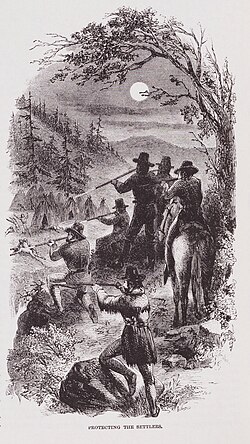
Regional Variations and the Atlantic Trade
The Carolinas and the West Indies
The Carolinians treated enslaved Native Americans as trade commodities. Between 1670 and 1715, the number of captives exported from South Carolina to the Caribbean actually exceeded the number of Africans imported to the English mainland colonies during that same window.
Louisiana and the Mississippi River
Slavery was extensive in lower colonial Louisiana, where the French developed sugar cane plantations. While the French initially enslaved Native Americans, the captives' knowledge of the terrain made escape easy. Consequently, the French began importing African laborers in the early 18th century. High mortality rates necessitated a constant stream of new imports.
Spanish Florida and Fort Mose
Spanish Florida provided a strategic escape route for those fleeing British colonies. Escaped slaves were granted freedom if they accepted the Catholic Church and declared allegiance to the King of Spain. This led to the 1739 establishment of Fort Mose, a defense post for St. Augustine and a precursor to the Underground Railroad.
The Rise of Chattel Slavery and Legal Codes
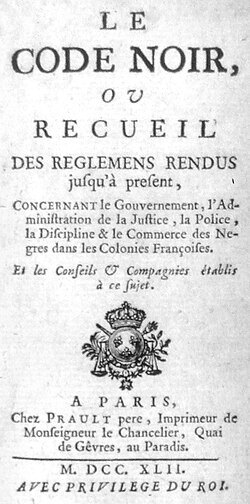
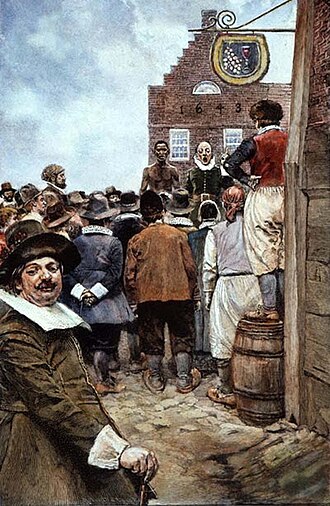
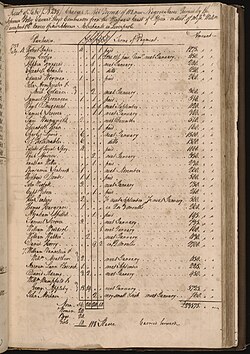
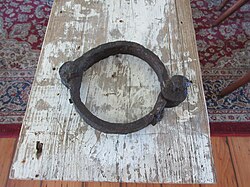
Chattel slavery—the legal status of a person as personal property—developed in British North America often before the formal laws were written. To solidify this system, harsh slave codes were introduced in the late 17th and early 18th centuries to restrict the rights of African slaves and eliminate paths to freedom.
The 1696 South Carolina slave code, modeled after the 1661 Barbados code, served as the first comprehensive legal framework for slavery in the region. These laws were regularly expanded throughout the 18th century to ensure total control over the enslaved population.
Resistance and Early Abolitionism
Enslaved people resisted their condition through various means, including organized rebellions. Notable colonial uprisings include the New York Slave Revolt of 1712, the Stono Rebellion of 1739, and the New York Conspiracy of 1741. In Louisiana, the Pointe Coupée Conspiracies occurred in 1791 and 1795.
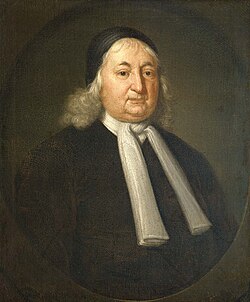
Early opposition to slavery also emerged from within the colonies. In 1700, Judge Samuel Sewall wrote "The Selling of Joseph," an essay criticizing the institution. By 1783, the legal system began to be used for liberation; Quock Walker successfully challenged slavery in a Massachusetts court, arguing it contradicted the state's 1780 constitution regarding the equality of men.
Summary of Colonial Slave Populations
| Date Range | Estimated Number of Slaves |
|---|---|
| 1626–1650 | 824 |
| 1651–1675 | 0 |
| 1676–1700 | 3,327 |
| 1701–1725 | 3,277 |
| 1726–1750 | 34,004 |
| 1751–1775 | 84,580 |
| 1776–1800 | 67,443 |
| 1801–1825 | 109,545 |
| 1826–1850 | 1,850 |
| 1851–1875 | 476 |
| Total | 305,326 |
Frequently Asked Questions
Who were the first people enslaved in the British colonies?
Before the 1650s, Native Americans were the primary targets for indentured service and enslavement by British American colonists.
When did the first Africans arrive in English North America?
The first documented Africans arrived in Jamestown in August 1619, transported on a frigate called the White Lion.
What was the significance of Fort Mose?
Established in 1739 in Spanish Florida, Fort Mose was a haven for escaped slaves from the Southern Colonies who were granted freedom upon converting to Catholicism and pledging allegiance to Spain.
How did the legal status of slavery change in the late 17th century?
The transition to chattel slavery was formalized through the introduction of slave codes, such as South Carolina's 1696 code, which limited the rights of enslaved Africans and restricted their ability to gain freedom.
How many Native Americans were enslaved in the Southeast?
Historian Alan Gallay estimates that between 1670 and 1715, between 24,000 and 51,000 Native Americans were sold into slavery from the Province of Carolina.