Slavery in Africa: Historical Systems and Global Trade Networks
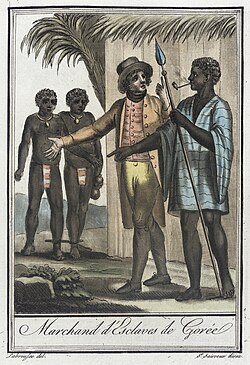
Slavery has been a widespread and complex phenomenon throughout African history. Long before the era of global maritime trade, systems of servitude were commonplace across the continent, mirroring patterns found in many ancient and medieval societies worldwide. These systems evolved significantly as Africa became integrated into vast international networks, transforming local practices into large-scale export industries.
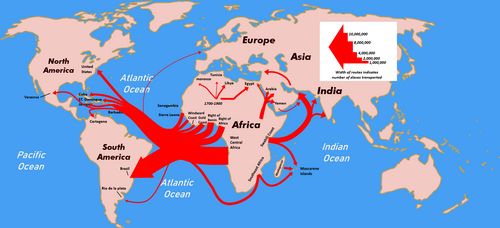
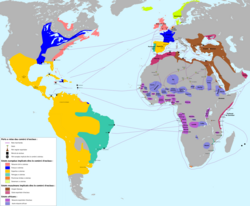
Historians generally distinguish between indigenous slavery—where enslaved people remained within the continent—and export slavery, which involved the trade of captives to markets in the Americas, Asia, and the Middle East. While the Atlantic trade is the most documented, it was part of a broader landscape of human trafficking that included the Trans-Saharan, Red Sea, and Indian Ocean routes.
Key Facts
![Burning of a village in Africa and capture of its inhabitants (February 1859)[1]](/images/c4/a2/c4a25c034986f0f6675c08b7369c2a0de9a8ef3746835e2050aa40dd03dfb185.jpg)
- Diverse Forms: Slavery manifested as debt bondage, enslavement of war captives, military servitude, and domestic service.
- Atlantic Scale: Approximately 12.8 million people were transported across the Atlantic between 1450 and 1900.
- Other Trade Routes: Between 600 and 1600, an estimated 6.2 million people were traded across the Sahara and Red Sea.
- Mortality: Patrick Manning estimates that 1.5 million people died during the Middle Passage, and another 4 million died within Africa following capture.
- Economic Shift: Following the abolition of the Atlantic trade, some African states shifted toward "legitimate commerce" powered by internal slave labor.
Forms of Servitude and Local Practices
Slavery in historical Africa was not a monolithic system. It varied by region, social structure, and purpose. Chattel slavery, where a person is treated as personal property, existed alongside more fluid forms of servitude.
Domestic and Military Slavery
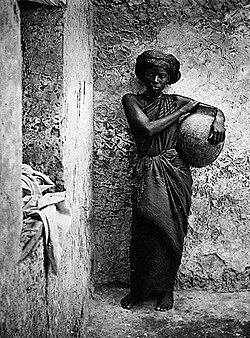
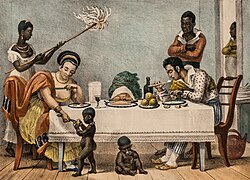
Domestic service and court-based slavery were widespread across the continent. In some regions, military slavery allowed captives to gain power within the state structure. Other forms included pawnship (a form of debt slavery) and the enslavement of criminals.
Ritual and Plantation Labor
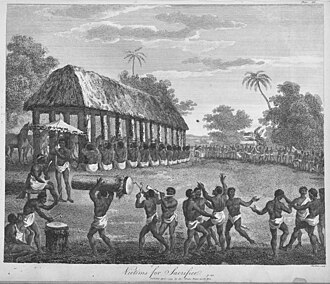
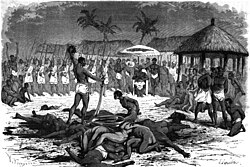
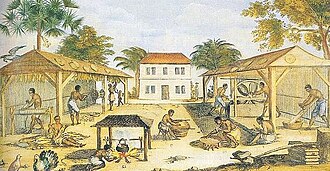
In certain kingdoms, such as Dahomey, slaves were used for human sacrifice. While plantation slavery was less common than in the Americas, it did occur on the eastern coast and in parts of West Africa, increasing in importance during the 19th century.
Regional Variations in Slavery
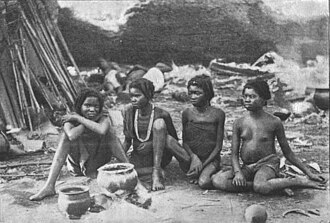
North and West Africa
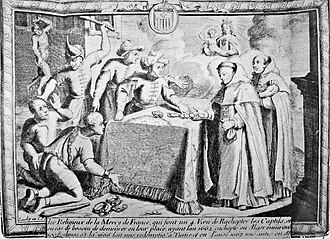
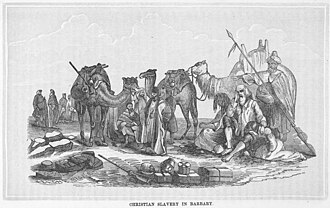
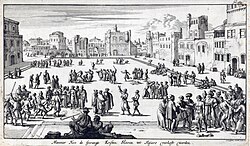
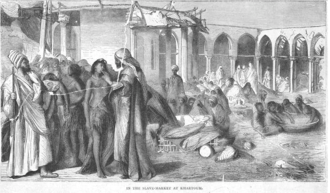
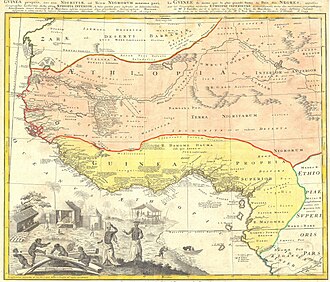
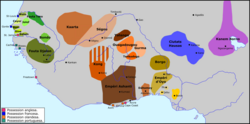
In North Africa, historical records detail the suffering of Christian galley slaves captured by Barbary corsairs. In West Africa, powerful kingdoms like the Asante and the kingdom of Cayor were involved in both internal servitude and the export trade to European factories along the Gulf of Guinea.
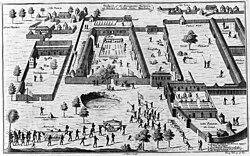
East and Central Africa
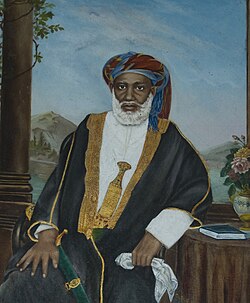
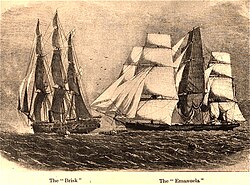
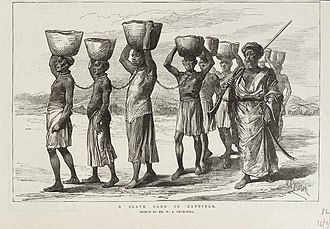
The Horn of Africa and the East African coast were central to the Red Sea and Indian Ocean trades. In Southeast Africa, the distinction between "slave" and "free" was initially less rigid, but this changed as international demand grew. By 1776, the king of Kilwa island had signed a treaty with French merchants to deliver 1,000 slaves annually.
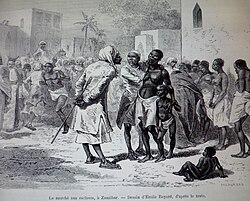
The Global Export Trade
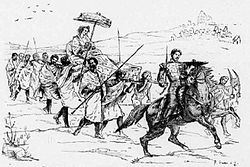
The Indian Ocean and Arab Trade
The European presence in the Indian Ocean began with the Portuguese Estado da Índia in the 16th century. Between 1500 and 1850, European traders exported between 567,900 and 733,200 slaves within the Indian Ocean. While significant, this was smaller in volume than the Atlantic trade.
The Atlantic Slave Trade
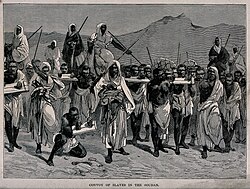
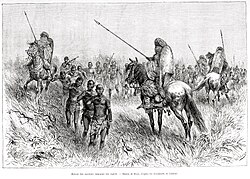
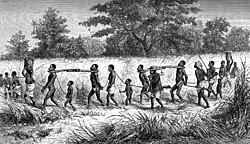
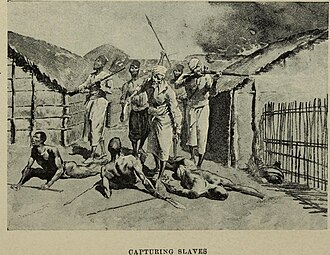
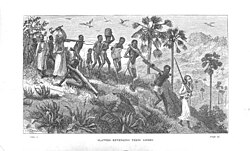
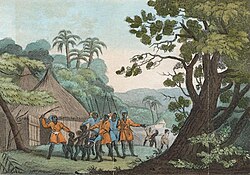
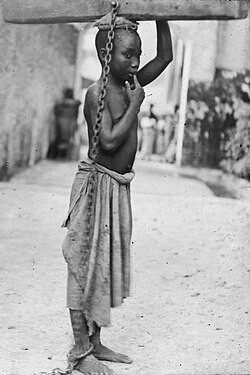
The transatlantic trade, spanning the 15th to 19th centuries, fundamentally altered global demographics. By 1800, Africans became the overwhelming majority of the global enslaved population. This system relied on a brutal infrastructure of raids, forced marches, and the Middle Passage.
Demographic and Economic Impact
![Kushite prisoners of war watched over by Egyptians, waiting to be deported into Egypt. Relief from the tomb of Horemheb in Saqqara.[28][29]](/images/ed/90/ed90b2e0ad630bd0e2c41a70c3bad7c20067965e781b14ad601f4fa6f7d801e2.jpg)
The precise extent of slavery's impact is debated, but the numbers are staggering. The Trans-Atlantic Slave Trade Database estimates 12.8 million people were moved across the ocean. Beyond those who died at sea, millions more perished during wars and raids within Africa.
| Trade Route | Estimated Volume | Primary Timeframe |
|---|---|---|
| Atlantic Slave Trade | 12.8 Million | 1450 – 1900 |
| Trans-Saharan & Red Sea | 6.2 Million | 600 – 1600 |
| East Africa (19th Century) | 1.65 Million | 1800s |
Economically, the trade enriched European empires and certain African elites while destabilizing local populations. The legacy of this era persists in the form of systemic racism and long-term demographic shifts across the African diaspora.
Frequently Asked Questions
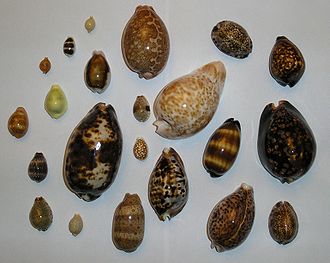
![Two slightly differing Okpoho Manillas as used to purchase slaves for approximately 8–50 manilla per slave[183]](/images/af/e5/afe592c7220abd29384f22f7e1beeea798a80ae9c8b6c9958acfa6b2e491c7b2.jpg)
Was slavery in Africa the same as the Atlantic slave trade?
No. Indigenous slavery often involved different social dynamics, such as debt bondage or domestic servitude, whereas the Atlantic trade was characterized by large-scale chattel slavery and industrial-scale export for plantation labor.
How many people were affected by the Atlantic slave trade?
Estimates vary, but the Trans-Atlantic Slave Trade Database suggests approximately 12.8 million people were transported, with millions more dying during capture and transport within Africa.
What were the other major slave trade routes?
Besides the Atlantic, the major routes were the Trans-Saharan trade, the Red Sea trade, and the Indian Ocean trade, which moved captives toward North Africa, the Middle East, and Asia.
When was slavery abolished in Africa?
Abolition occurred in stages throughout the 19th and 20th centuries, though the process varied by region and colonial influence. Despite being illegal today, some forms of slavery still persist in certain regions.
What was the role of the Indian Ocean trade?
The Indian Ocean trade moved hundreds of thousands of people between Africa, Asia, and the Middle East. It was facilitated by both Arab traders and European powers, such as the Portuguese.