Understanding Bunyakiri: Geography, Agriculture, and a History of Conflict
Located in the high plateaus of the Kalehe Territory, Bunyakiri is a town in the South Kivu Province of the eastern Democratic Republic of the Congo (DRC). While the region is characterized by its fertile lands and rich agricultural potential, it has also been defined by decades of complex socio-political instability and armed conflict.
The town is situated near the villages of Bulehe and Mulamba and is primarily inhabited by the Tembo, Havu, Twa, and Hunde ethnic groups. Its geographic position and climate make it a vital area for local livelihoods, though the presence of various armed groups has frequently disrupted this stability.
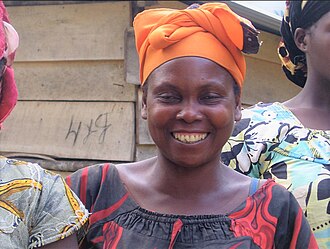
Key Facts
- Location: Kalehe Territory, South Kivu Province, Democratic Republic of the Congo.
- Primary Economy: Agriculture, specifically high-quality coffee production.
- Ethnic Groups: Tembo, Havu, Twa, and Hunde.
- Major Conflict Drivers: Illegal mining, extortion, and presence of multiple armed groups.
- Humanitarian Impact: Over 12,000 households displaced by the end of October 2018.
Agriculture and Local Economy
Bunyakiri boasts expansive tracts of fertile land and a favorable climate, which are highly conducive to agriculture. The region is particularly well-known for producing high-quality coffee beans, which serve as a cornerstone of the local economy.
Beyond coffee, local farmers cultivate a diverse range of crops to sustain the community, including:
- Maize and beans
- Potatoes and sweet potatoes
- Eggplants and various vegetables
- Bananas
A History of Conflict and Displacement
For more than thirty years, Bunyakiri has been plagued by persistent violence. The region has seen various armed groups engage in illegal mining, extortion, and direct violence against local communities. This instability has led to massive humanitarian crises, with the World Food Programme reporting that by late 2018, more than 12,000 households had been forced to become Internally Displaced Persons (IDPs).
The First Congo War and Refugee Movements
During the First Congo War, Bunyakiri served as a refuge for Hutu refugees fleeing persecution by the Alliance of Democratic Forces for the Liberation of Congo-Zaire (AFDL) and the Rwandan Patriotic Army (RPA). The town also acted as a transit point for those attempting to reach Walikale Territory. A notable tragedy occurred between December 22nd and 23rd, 1997, when AFDL/RPA soldiers killed 22 civilians at the Bulambika commercial center.
The Second Congo War and Ongoing Instability
Since the Second Congo War, the region has been a site of ongoing conflict between the FDLR (Democratic Forces for the Liberation of Rwanda) and the Raia Mutomboki. The FDLR, composed largely of individuals involved in the Rwandan Genocide, has been accused of human rights abuses, including attacks on civilians and illegal mining. In response, the Raia Mutomboki emerged as a predominantly Congolese local defense force.
The struggle for control has seen numerous military engagements involving the Armed Forces of the Democratic Republic of the Congo (FARDC) and MONUSCO (the United Nations Organization Stabilization Mission in the DRC). Notable events include:
- 2005–2006: FARDC operations to regain control of villages like Bushi bwa Mbombo and Manga from the FDLR.
- 2009: Violent resurgences in Busurungi and the burning of approximately 100 houses in Kalehe Territory.
- 2011: Legal proceedings against FDLR fighters for crimes against humanity, including murder and kidnapping.
- 2012: Clashes involving Raia Mutomboki and injuries to MONUSCO peacekeepers.
- 2014: Reports of multiple operational armed groups, including the Red Army and Mai-Mai Ntakaba, operating in the area.
Disarmament and Reintegration Efforts
Efforts to bring peace to the region have included various disarmament programs. In 2009, hundreds of FDLR rebels were repatriated to Rwanda. More recently, in March 2018, an initiative supported by Swiss cooperation saw 20 Raia Mutomboki combatants voluntarily relinquish their weapons to reintegrate into civilian life.
Cultural Innovation: The Chitembo Writing System
In a unique development for the region, a new writing system was introduced to help the Twa people. Following a cultural exchange in 2015, it was discovered that the Hangul (the Korean alphabet) could be adapted to write the Chitembo language, which was previously unwritten. With the help of Korean linguists and teachers, this adapted alphabet has been taught to local primary school teachers, allowing hundreds of people in the region to learn to write.
Summary of Regional Data
| Category | Details |
|---|---|
| Country | Democratic Republic of the Congo |
| Province | South Kivu |
| Territory | Kalehe |
| Coordinates | 2°5′30″S 28°34′23″E |
| Time Zone | UTC+2 (CAT) |
Frequently Asked Questions
What are the main crops grown in Bunyakiri?
The region is famous for high-quality coffee. Other major crops include maize, beans, potatoes, sweet potatoes, eggplants, bananas, and various vegetables.
Who are the primary ethnic groups in the Bunyakiri area?
The population is mainly composed of the Tembo, Havu, Twa, and Hunde ethnic groups.
What has caused the long-term instability in the region?
The instability is driven by the presence of multiple armed groups, such as the FDLR and Raia Mutomboki, who engage in illegal mining, extortion, and violence against local communities.
How has the Chitembo language been written recently?
Through a cultural exchange and the work of Korean linguists, an adapted version of the Korean Hangul alphabet has been developed to provide a writing system for the Chitembo language.
What is the humanitarian situation in Bunyakiri?
The region has faced significant displacement due to conflict. By the end of October 2018, the World Food Programme reported that over 12,000 households had been displaced from their homes.