Sister Cities and Twin Towns: Building Global Connections
In an increasingly interconnected world, the concept of sister cities (also known as twin towns or partner cities) serves as a bridge between geographically and politically distinct localities. These relationships are established through legal or social agreements designed to foster cultural exchange, strengthen commercial ties, and promote mutual understanding between citizens of different nations.
While early examples of international municipal links date back as far as the 9th century, the modern framework of town twinning was formally established and adopted worldwide during World War II. This movement sought to heal the wounds of war by creating lasting bonds of friendship between cities across borders.

Key Facts
- Purpose: To promote cultural, social, and commercial ties between distinct localities.
- Modern Origin: The contemporary concept gained global momentum during World War II.
- First Twinning: Coventry, UK, is credited as the first city to start the modern trend in 1944.
- Scope: These agreements can range from formal legal contracts to informal social partnerships.
- Global Reach: Twinning occurs across all inhabited continents, including Europe, North America, South America, Asia, Africa, and Oceania.
The Evolution of City Diplomacy
The practice of city diplomacy—often referred to as paradiplomacy—allows local governments to engage in international relations independently of their national governments. This enables cities to collaborate on specific urban challenges, share best practices in governance, and stimulate local economies through trade.
Beyond traditional cities and towns, the concept of twinning has expanded to include other entities, such as sister castles or regional partnerships. These agreements are often formalized through signing ceremonies and the exchange of official documents.

Motivations for Twinning
Municipalities choose partners based on various criteria. Some seek linguistic reasons, pairing cities that share a common language. Others look for shared industries or similar geographic characteristics. In some cases, the pairings are based on humor or irony, such as the relationship between Dull, Scotland, and Boring, Oregon.


Global Implementation and Visibility
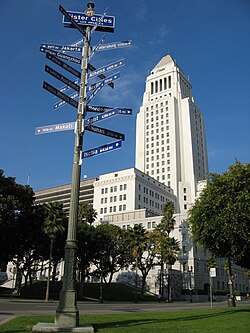
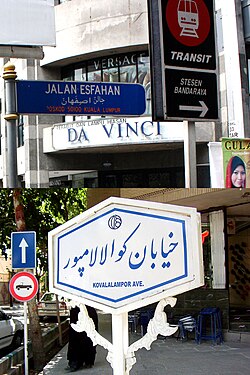
Twinning relationships are often commemorated through physical landmarks. These can include fingerposts showing directions to twin towns, commemorative steles, murals, or the naming of streets after the partner city.
![Thessaloniki stele, in sister city Melbourne[65]](/images/f2/e8/f2e84e8289b7f51e5373ea50d213c5af0be82b69bca4e66da5a7bc0c231773f3.jpg)
Summary of Twinning Characteristics
| Feature | Description |
|---|---|
| Primary Goal | Cultural and commercial promotion |
| Legal Status | Varies from informal social pacts to formal legal agreements |
| Common Markers | Street names, monuments, and fingerposts |
| Key Drivers | Language, shared history, industry, or political diplomacy |
Political Significance and Termination
Because these relationships are often symbols of friendship and political alignment, they are susceptible to the geopolitical climate. Twinning agreements can be suspended or terminated when political tensions arise between the respective nations or when one city's policies conflict with the values of the other.
Examples of termination include cities severing ties due to human rights concerns, such as laws regarding LGBTQ+ rights, or as a response to international conflicts and military aggression. In some regions, national governments have even introduced legislation to ban sister-city agreements with designated foreign adversaries.
Frequently Asked Questions
What is the difference between a sister city and a twin town?
In general usage, the terms are interchangeable. "Sister city" is more common in North America, while "twin town" is more frequently used in Europe and the UK. Both refer to a partnership between two localities to promote mutual ties.
When did the modern concept of town twinning begin?
While municipal links existed in the 9th century, the modern movement began during World War II. Coventry, UK, is recognized as a pioneer of this trend, starting the movement in 1944.
Why do cities choose to twin with each other?
Cities may twin for several reasons, including shared languages, similar economic structures, historical connections, or simply to foster international friendship and cultural exchange.
Can a sister city relationship be ended?
Yes. Relationships can be suspended or terminated due to political disagreements, changes in government, or as a protest against the actions or laws of the partner city or its national government.
How are these partnerships usually commemorated?
Common commemorations include the installation of directional signs (fingerposts), the naming of streets after the partner city, and the creation of monuments or murals in public spaces.