Sicilian Americans: History, Culture, and Heritage in the United States
Sicilian Americans (Italian: siculo-americani; Sicilian: sìculu-miricani) are a distinct ethnic group within the broader Italian American community. Comprising individuals who are fully or partially of Sicilian descent, this population includes both descendants of immigrants who arrived during the great Italian diaspora and Sicilian-born residents of the United States. With a population estimated at 85,175 (including those of combined ancestry) as of 2000, they maintain a rich cultural identity that often emphasizes regional Sicilian roots over a general national Italian identity.
Key Facts
- Primary Languages: American English, Sicilian, Italian, and Siculish (a hybrid of Sicilian and English).
- Religion: Predominantly Roman Catholic.
- Major Hubs: New York City, New Orleans, Chicago, Tampa, and various cities across the Northeast and Midwest.
- Key Traditions: The Feast of Saint Joseph and the preparation of traditional Lenten tables.
- Cultural Contributions: Significant influence in early jazz, theater, and culinary arts.
The History of Sicilian Immigration
The presence of Sicilians in North America dates back to the 17th century, when explorers and missionaries arrived under the Spanish crown. However, the most significant wave of immigration occurred between the late 1800s and the early 1900s, with ships departing primarily from the ports of Palermo and Castellammare del Golfo.
Between the 1880s and 1914, immigration grew substantially. Many early arrivals intended to earn money and return to Sicily, but the outbreak of World War I delayed their return, leading many to assimilate into the American workforce and settle permanently.
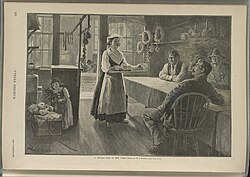
By 1924, approximately 4 million Italians had immigrated to the U.S. However, the Emergency Quota Act and the Immigration Act of 1924 severely restricted immigration from Southern Europe, allowing only close relatives of existing residents to enter. Following World War II, another large wave of Sicilian immigrants arrived, settling in diverse urban centers across the country.
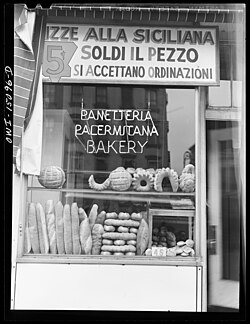
Regional Identity and Assimilation
Because much of the emigration began before the unification of Italy, many immigrants identified more strongly with their specific region than with the Italian nation. This regionalism persists in the linguistic and ethnic identities of many Sicilian Americans today.
Cultural Contributions and Community Life
Sicilian immigrants brought a vibrant array of artistic traditions to the United States, particularly in theater and music. Early Sicilian-dominated theaters frequently featured farces, with playwrights like Giovanni De Rosalia gaining prominence.
In the realm of music, Sicilian Americans played a pivotal role in the development of jazz. This influence was strongest in New Orleans, Chicago, and New York City. Nick LaRocca, a controversial early figure in jazz, was of Sicilian heritage, and modern artists such as Bobby Militello and Chuck Mangione continue this musical legacy.

Urban Enclaves
Sicilian communities established strong roots in specific neighborhoods. In New York City, early hubs included East Harlem, Elizabeth Street in Manhattan, and various sections of Brooklyn such as Bushwick and Carroll Gardens. Post-WWII, the community shifted toward Bensonhurst, Dyker Heights, and Gravesend. Other notable enclaves include "Little Sicily" in Chicago and "Little Palermo" in the lower French Quarter of New Orleans.
Faith and Tradition
The Roman Catholic faith remains central to the community. A prominent example is the legacy of Mother Cabrini, who arrived in New Orleans in 1892 and established an orphanage that later became Cabrini High School in 1959.
One of the most enduring traditions is the Feast of Saint Joseph, celebrated every March 19, particularly in Buffalo and New Orleans. Families create a "Saint Joseph's Day table," serving meat-free Lenten meals to the poor. This tradition stems from a Sicilian legend where farmers promised to share their bounty with the needy if Saint Joseph interceded during a drought.
Culinary Heritage
The Saint Joseph's Day table features traditional Sicilian dishes, including:
- Pasta con le sarde: Spaghetti with sardines.
- Lenticchie: Lentils.
- Froscie: Omelettes made with cardoon (wild artichoke), cicoria (dandelion), and other vegetables.
- Sweets: Sfingi, zeppoli, sfogliatelle, pignolati, struffoli (honey balls), and cannoli.
As a gesture of good luck, guests at these tables traditionally receive a fava bean, a bit of fennel, and a slice of orange.
Sicilian American Demographics Summary
| Category | Details |
|---|---|
| Total Population (2000) | 68,290 (alone) / 85,175 (including combinations) |
| Primary Languages | English, Sicilian, Italian, Siculish |
| Key Cities | NYC, New Orleans, Chicago, Tampa, Buffalo, Philadelphia, Los Angeles |
| Related Groups | Italians, Arbëreshë, Maltese Americans, Corsican Americans |
Frequently Asked Questions
What is Siculish?
Siculish is a linguistic blend of the Sicilian language and American English, developed by Sicilian immigrants and their descendants in the United States.
Why do Sicilian Americans identify regionally rather than nationally?
Many immigrated before the unification of Italy or during a time when regional differences were very strong, leading them to maintain a primary identity based on their home region of Sicily.
What is the significance of the Saint Joseph's Day table?
It is a charitable tradition where meat-free meals are served to the poor, commemorating a legend of farmers who prayed to Saint Joseph for relief from drought.
Which U.S. cities have the strongest Sicilian heritage?
New York City, New Orleans, and Chicago are among the most prominent, with specific neighborhoods like "Little Palermo" in New Orleans and various districts in Brooklyn reflecting this heritage.
How did World War I affect Sicilian immigration?
The war cut off the flow of immigration in 1914. This caused many Sicilians who had intended to return home to stay in the U.S., where they assimilated into better jobs and the wartime economy.