Articles/Italians: A Legacy of Culture, History, and Global Influence
Italian peopleItalian diasporaItalian historyItalian cultureRoman Empire
Italians: A Legacy of Culture, History, and Global Influence
Italians: A Legacy of Culture, History, and Global Influence The Italian people possess a rich and complex identity, forged over millennia of migration, conquest, and artistic revolution....
Italians: A Legacy of Culture, History, and Global Influence
The Italian people possess a rich and complex identity, forged over millennia of migration, conquest, and artistic revolution. From the early tribes of the Iron Age to the global diaspora of the modern era, the influence of Italians extends far beyond the borders of the Italian peninsula, shaping the foundations of Western law, science, art, and philosophy.
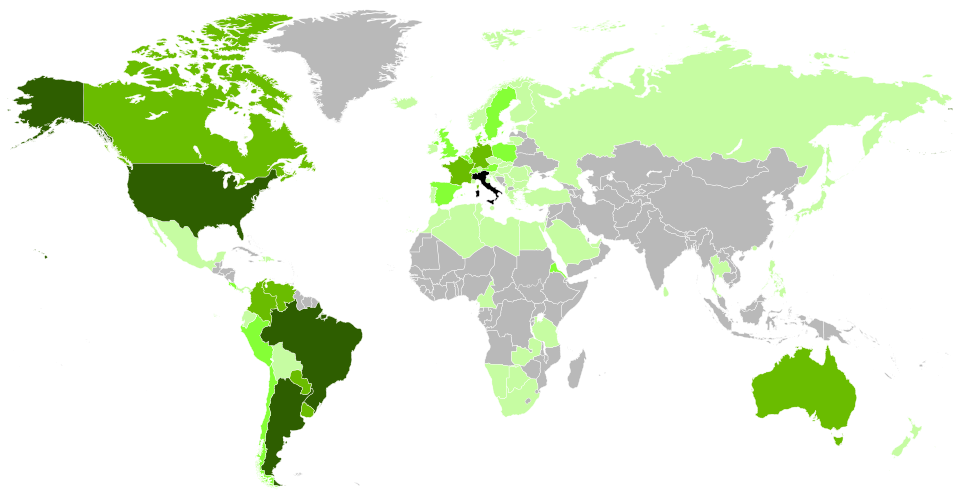
Today, the global Italian community is estimated at approximately 140 million people, comprising those living within Italy and a vast diaspora of roughly 80 million people with Italian ancestry worldwide.
The Capitoline Wolf (Italian: Lupa Capitolina) is a bronze sculpture depicting a scene from the legend of the founding of Rome. The sculpture shows a she-wolf suckling the mythical twin founders of Rome, Romulus and Remus. The image of the she-wolf suckling Romulus and Remus is a symbol of Rome since ancient times, and one of the most recognizable icons of ancient mythology.[105]
Key Facts
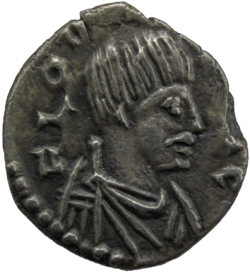
Odoacer, the first King of Italy
Global Population: Approximately 140 million people worldwide.
Domestic Population: Roughly 55.5 million residents in Italy.
Major Diaspora Hubs: Brazil (32–34 million), Argentina (25 million), and the United States (16–23 million).
Primary Language: Italian, alongside various regional languages.
Predominant Religion: Roman Catholicism.
Cultural Impact: A global leader in art, opera, fashion, and scientific innovation.
The Ethnogenesis and History of Italy
Marco Polo, explorer of the 13th century, recorded his 24 years-long travels in the Book of the Marvels of the World, introducing Europeans to Central Asia and China.[107]
Ancient Origins and the Roman Era
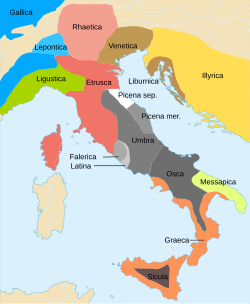
The formation of the Italian people began with a diverse array of ethnic groups. During the Bronze Age and Iron Age, the peninsula was inhabited by the Etruscans (including the Camunni, Lepontii, and Raeti), the Sicani and Elymians in Sicily, the Iapygians (Messapians, Daunians, and Peucetians), and the Greeks of Magna Graecia. Sardinia was home to the Nuragic tribes.
Ethnolinguistic map of Italy in the Iron Age, before the Roman expansion in Italy
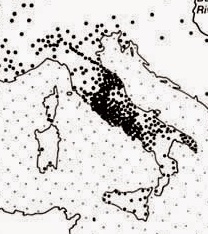
The rise of Rome eventually unified these disparate groups. The Roman era established the legal and administrative frameworks that would define European civilization for centuries. The spread of Roman coloniae (colonies) ensured the integration of the peninsula under a single cultural and political umbrella.
Map of Roman coloniae during the second century in Italy
From the Middle Ages to the Renaissance
Following the fall of Rome, Italy entered the Middle Ages, characterized by the influence of various groups, including the Lombards. The subsequent Renaissance—a period of intense cultural rebirth—saw Italy become the epicenter of European art and intellect. Polymaths like Leonardo da Vinci and artists like Michelangelo redefined human expression.
Leonardo da Vinci, a polymath of the High Renaissance who was active as a painter, draughtsman, engineer, scientist, theorist, sculptor, and architect[109]
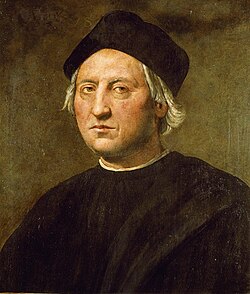
This era also sparked the Age of Discovery. Italian explorers such as Christopher Columbus and Amerigo Vespucci expanded the known world, with Vespucci's name eventually giving rise to the term "America."
The Italian explorer Christopher Columbus leads an expedition to the New World, 1492. His voyages are celebrated as the discovery of the Americas from a European perspective, and they opened a new era in the history of humankind and sustained contact between the two worlds.Amerigo Vespucci, Italian explorer from whose name the term "America" is derived[111]
Unification and the Modern Republic
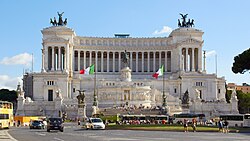
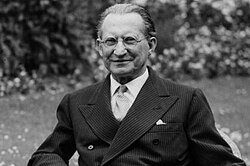
The movement toward a unified Italian state culminated in the 19th century, leading to the Kingdom of Italy. This era of unification is celebrated by monuments such as the Victor Emmanuel II Monument in Rome. Following World War II, Italy transitioned into a Republic, with figures like Alcide De Gasperi helping to lay the groundwork for the European Union.
The Victor Emmanuel II Monument in Rome, a national symbol of Italy celebrating the first king of the unified country, and resting place of the Italian Unknown Soldier since the end of World War I. It was inaugurated in 1911, on the occasion of the 50th Anniversary of the Unification of Italy.Alcide De Gasperi, first republican Prime Minister of Italy and one of the Founding Fathers of the European Union
The Italian Diaspora
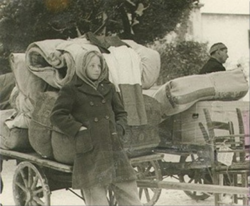
A young Italian exile on the run carries, along with her personal effects, a flag of Italy, during the Istrian-Dalmatian exodus.
Driven by economic necessity and political upheaval, millions of Italians emigrated from their homeland, creating vibrant communities across the globe. This diaspora is particularly prominent in South America and North America.
Significant Italian Populations by Country (Including Ancestry)
Country
Estimated Population
Brazil
32–34 million
Argentina
25 million
United States
16–23 million
France
5–6 million
Paraguay
2–2.5 million
Colombia
2 million
Peru
2 million
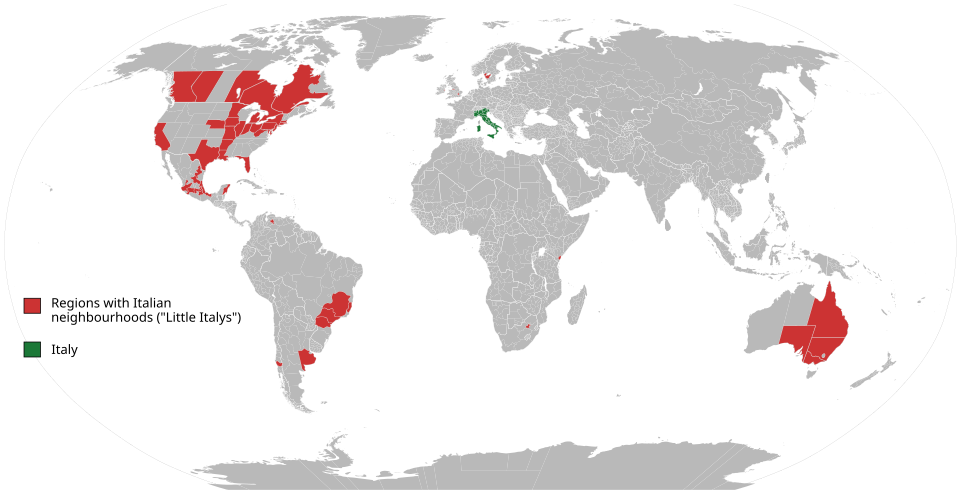
World map of first level subdivisions (states, counties, provinces, etc.) that are home to Little Italys or Italian neighbourhoods
Cultural and Scientific Contributions
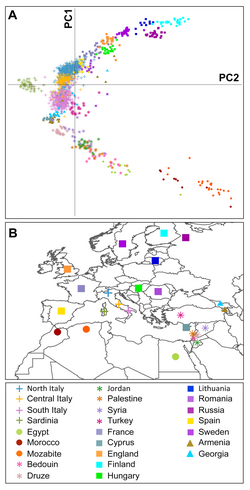
Principal component analysis of the Italian population with other populations
Literature and Philosophy
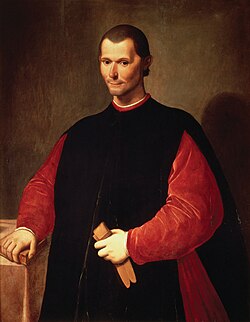
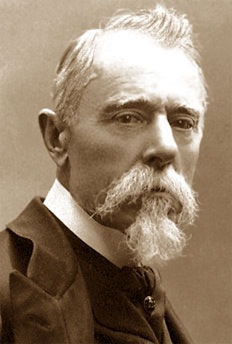
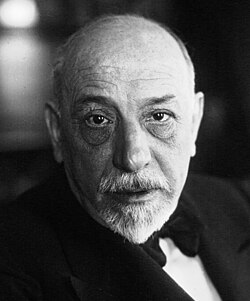
Italy has produced some of the world's most influential thinkers. Dante Alighieri's Divine Comedy helped establish the modern Italian language, while Niccolò Machiavelli founded modern political science. In the modern era, authors like Alessandro Manzoni and Nobel laureates such as Luigi Pirandello and Dario Fo have continued this literary tradition.
Dante Alighieri, whose works helped establish modern Italian language, is considered one of the greatest poets of the Middle Ages. His epic poem Divine Comedy ranks among the finest works of world literature.[251]
Science, Technology, and Mathematics
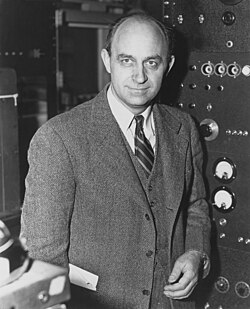
The Italian contribution to science is immense. Galileo Galilei is regarded as the father of modern science and observational astronomy. In the 20th century, Enrico Fermi built the first nuclear reactor, and Guglielmo Marconi invented the radio.
Galileo Galilei, considered the "father" of observational astronomy,[328] modern physics,[329] the scientific method,[330] and modern science[331]
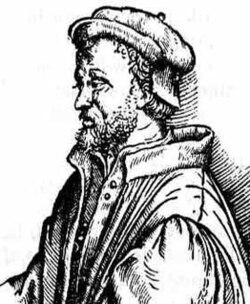
In biology, Marcello Malpighi founded microscopic anatomy, and Rita Levi-Montalcini discovered the nerve growth factor. The field of mathematics was advanced by figures such as Gerolamo Cardano, a pioneer in probability.
Guglielmo Marconi, inventor and electrical engineer, known for his creation of a practical radio wave-based wireless telegraph system.[343] This led to Marconi being credited as the inventor of radio,[344] and he won the 1909 Nobel Prize in Physics "in recognition of their contributions to the development of wireless telegraphy".[345][346][347]
The Arts and Design
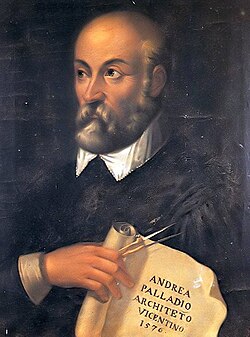
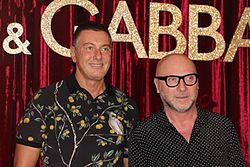
From the architecture of Andrea Palladio to the cinema of Federico Fellini, Italian aesthetics are globally recognized. The country is also a powerhouse in fashion and design, represented by iconic brands like Gucci and the work of Dolce & Gabbana.
Federico Fellini, considered one of the most influential and widely revered filmmakers in the history of cinema[300]
Frequently Asked Questions
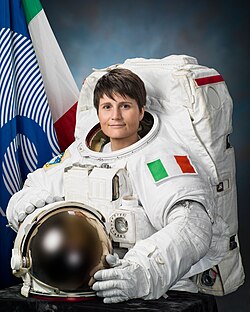
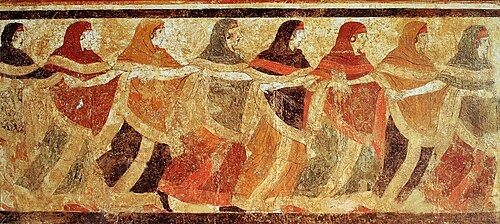
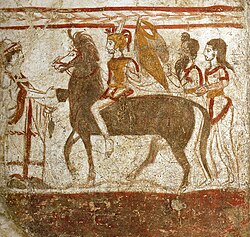
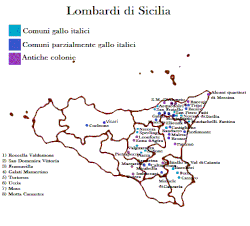
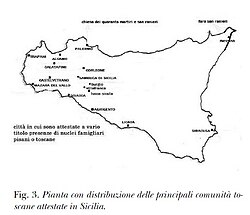
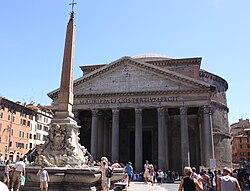
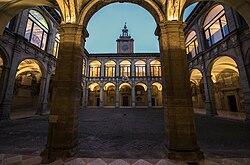
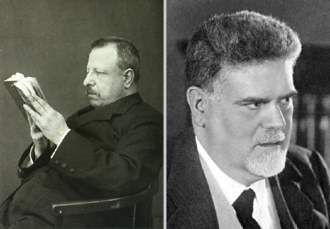
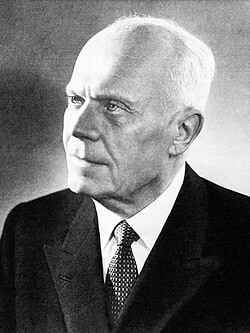
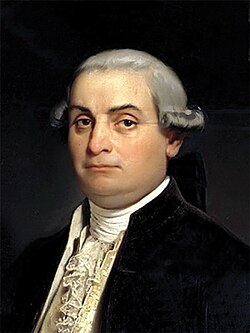
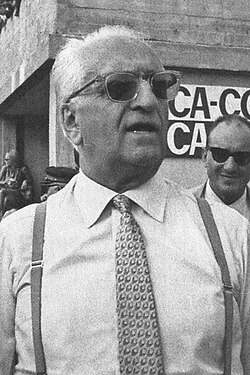
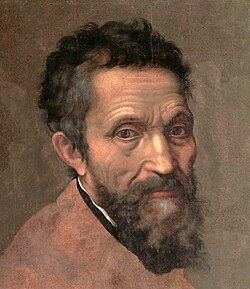
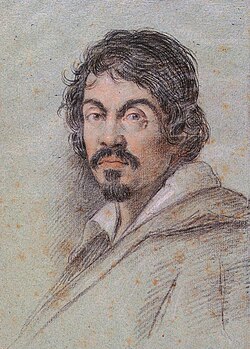
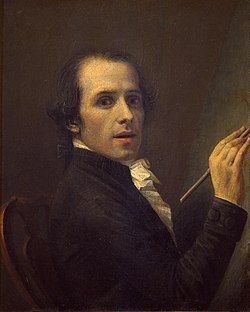
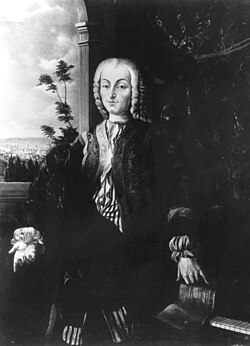
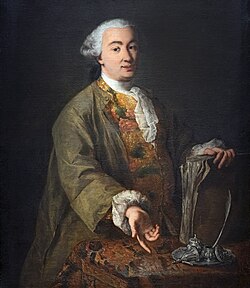
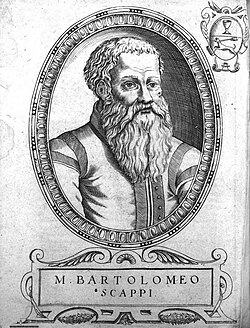
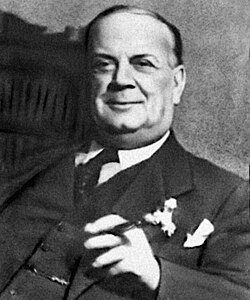
Fresco of dancing Peucetian women in the Tomb of the Dancers in Ruvo di Puglia, 4th–5th century BCA mounted Lucanian warrior, fresco from a tomb of Paestum, Italy, c. 360 BCLombard (Northern Italian) colonies of Sicily: in light blue: the cities where Gallo-Italic language is spoken today. In dark blue: the cities where there is a good influence of the Gallo-Italic language. In purple: ancient Gallo-Italic colonies, the influence in these cities is variable, also some districts of Messina were colonized.Map of Tuscan settlements in Sicily.The Pantheon and the Fontana del Pantheon. Roman relics and Roman culture are important symbols in Italy.Bologna University, established in AD 1088, is the world's oldest university in continuous operation.Niccolò Machiavelli, the founder of modern political science and ethicsBenedetto Croce (left) and Giovanni Gentile (right), the two greatest exponents of the Italian idealismAlessandro Manzoni is famous for the novel The Betrothed (1827), generally ranked among the masterpieces of world literature.[255] He contributed to the nationwide use of the Italian language.[256]Sandro PertiniCesare BeccariaEnzo FerrariMichelangeloCaravaggioAntonio CanovaBartolomeo Cristofori, the inventor of the pianoCarlo GoldoniDario Fo, one of the most widely performed playwrights in modern theatre, received international acclaim for his highly improvisational style.[293][294] He was awarded the Nobel Prize for Literature in 1997.[295]Enrico Fermi, builder of the first nuclear reactorGerolamo Cardano, one of the key figures in the foundation of probability and the earliest introducer of the binomial coefficients and the binomial theorem in the Western worldErnesto Teodoro Moneta was awarded the Nobel Peace Prize in 1907. He adopted the motto In varietate unitas! which later inspired Motto of the European Union.Luigi Pirandello. He was awarded the 1934 Nobel Prize in Literature. Pirandello's tragic farces are often seen as forerunners of the Theatre of the Absurd.Andrea Palladio, one of the most influential individuals in the history of architectureBartolomeo ScappiGuccio GucciStefano Gabbana (left) and Domenico Dolce (right)Edoardo Mangiarotti, the world's most successful fencer[392]Giacomo Agostini, the most successful motorcyclist in the history of the World Championship[394]Samantha Cristoforetti
What are the most common Italian surnames?
The most frequent surnames in Italy include Rossi, Ferrari, Russo, Bianchi, and Romano.
How many Italians live outside of Italy?
The Italian diaspora and those of Italian ancestry are estimated to be around 80 million people worldwide.
Who are some of Italy's most famous Nobel laureates?
Notable winners include Enrico Fermi (Physics), Rita Levi-Montalcini (Medicine), Dario Fo (Literature), and Giorgio Parisi (Physics).
Which countries have the largest populations of Italian descent?
Brazil and Argentina have the largest populations, followed by the United States.
What is the significance of the University of Bologna?
Established in AD 1088, the University of Bologna is the oldest university in the world that has been in continuous operation.
![The Capitoline Wolf (Italian: Lupa Capitolina) is a bronze sculpture depicting a scene from the legend of the founding of Rome. The sculpture shows a she-wolf suckling the mythical twin founders of Rome, Romulus and Remus. The image of the she-wolf suckling Romulus and Remus is a symbol of Rome since ancient times, and one of the most recognizable icons of ancient mythology.[105]](/images/8d/02/8d02e0c8369ef2aef55c689388f570979d16206c69fd4d5bbf1162b93cb8ec6c.jpg)
![Marco Polo, explorer of the 13th century, recorded his 24 years-long travels in the Book of the Marvels of the World, introducing Europeans to Central Asia and China.[107]](/images/75/b8/75b8f323ae17128b5b1c588c4332953c8fb8af40b5ee7ff2771b482577eda5a7.jpg)
![Leonardo da Vinci, a polymath of the High Renaissance who was active as a painter, draughtsman, engineer, scientist, theorist, sculptor, and architect[109]](/images/17/dd/17ddcf854f9a8d3eb6ae5285a0047d902d0939f288516d6087853e53ec8398d5.jpg)
![Amerigo Vespucci, Italian explorer from whose name the term "America" is derived[111]](/images/d5/77/d5773e987b9e1c19b2ad7316bb1af74a6c055dbe6a0f92c761016bdb36d41488.jpg)
![Dante Alighieri, whose works helped establish modern Italian language, is considered one of the greatest poets of the Middle Ages. His epic poem Divine Comedy ranks among the finest works of world literature.[251]](/images/08/79/0879181b6859f1fa6e5ea8c7c0aa32632039686d0c3ce1c4c026f6adda161815.jpg)
![Galileo Galilei, considered the "father" of observational astronomy,[328] modern physics,[329] the scientific method,[330] and modern science[331]](/images/94/f1/94f11a17c540265639781a44e045ed4c3d176336be49150d9b71c3be0d09894e.jpg)
![Guglielmo Marconi, inventor and electrical engineer, known for his creation of a practical radio wave-based wireless telegraph system.[343] This led to Marconi being credited as the inventor of radio,[344] and he won the 1909 Nobel Prize in Physics "in recognition of their contributions to the development of wireless telegraphy".[345][346][347]](/images/74/b4/74b4a5e449d6c9b2b74abba50fb89774d04a97f7d2692283e614a213c09e9e55.jpg)
![Federico Fellini, considered one of the most influential and widely revered filmmakers in the history of cinema[300]](/images/e9/aa/e9aac64a2c131185d1f9348f64ea6253374a8711b2ee4a846d91eae6f8e3c9d3.jpg)
![Alessandro Manzoni is famous for the novel The Betrothed (1827), generally ranked among the masterpieces of world literature.[255] He contributed to the nationwide use of the Italian language.[256]](/images/55/23/55232d04188fcee0a5519674565170a3ef041f04daa46ebb119d3d200ec3806c.jpg)
![Dario Fo, one of the most widely performed playwrights in modern theatre, received international acclaim for his highly improvisational style.[293][294] He was awarded the Nobel Prize for Literature in 1997.[295]](/images/30/57/30577237c2d96efa6bb9583ae56fb7314b7f719866329623bc58df86188ac48f.jpg)
![Edoardo Mangiarotti, the world's most successful fencer[392]](/images/d9/ba/d9bab0919878f82c40e202545fdf532f73747d7c46295d20720e46f7d7de7383.jpg)
![Giacomo Agostini, the most successful motorcyclist in the history of the World Championship[394]](/images/f4/7b/f47b65b1ce0afd68d832084a4d7f360bdbc1b889c481203452c817f95b7ce7bf.jpg)