1891 New Orleans Lynchings: The Largest Mass Lynching in U.S. History
On March 14, 1891, the city of New Orleans became the site of the largest single mass lynching in American history. Eleven Italian American immigrants were murdered by a mob, an event fueled by a volatile mix of xenophobia (prejudice against people from other countries), anti-Catholicism, and deep-seated Italophobia. This tragedy was the culmination of rising ethnic tensions and a controversial legal battle following the assassination of a high-ranking city official.
Key Facts
- Date: March 14, 1891
- Location: New Orleans, Louisiana
- Casualties: 11 Italian Americans murdered
- Trigger: The murder of Police Chief David Hennessy
- Historical Significance: The largest single mass lynching in U.S. history
- Diplomatic Impact: Led to a temporary severance of diplomatic ties between the U.S. and Italy
The Climate of Anti-Italian Sentiment
In the late 19th century, the business community in southern Louisiana actively recruited Italian immigrants to replace Black labor, particularly on sugar plantations. Thousands of Italians arrived in New Orleans annually, many settling in the French Quarter in an area that became known as "Little Sicily."
Despite their contributions to the economy, these immigrants faced severe discrimination. Southern Italians, especially Sicilians, were often viewed as racially suspect. During this era, Italian immigrants were frequently subjected to derogatory racial slurs and were viewed as distinct from Northern Italians, a distinction even reinforced by the U.S. Bureau of Immigration.
The Assassination of David Hennessy
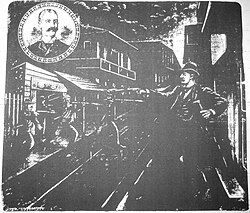
The tension reached a breaking point following the murder of Police Chief David Hennessy. The investigation that followed was characterized by systemic prejudice rather than forensic evidence. Mayor Joseph A. Shakspeare reportedly instructed police to "scour the whole neighborhood" and arrest every Italian they encountered.
Within 24 hours, 45 people were arrested; some accounts suggest as many as 250 Italians were rounded up. While most were eventually released, the atmosphere of fear persisted. In October 1890, the violence escalated when a newspaper salesman, Thomas Duffy, entered the prison and shot suspect Antonio Scaffidi in the neck. Duffy was later sentenced to six months for assault, but Scaffidi would not survive to see the end of the legal process.
The Trial and Incitement
A trial for nine suspects began on February 16, 1891, presided over by Judge Joshua G. Baker. The jury selection process was grueling, as hundreds of prospective jurors were rejected to find 12 individuals who were not of Italian descent and were not openly prejudiced against Italians.
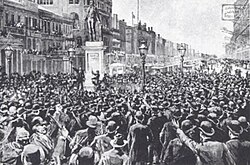
Despite the legal proceedings, local media and public figures stoked the fires of hatred. When some of the defendants were acquitted on March 13, 1891, the public reaction was explosive. The perceived failure of the justice system served as a catalyst for the mob to take the law into their own hands.
The Massacre at Parish Prison
On the morning of March 14, a mob descended upon the parish prison. Using a battering ram to break down the doors, the rioters stormed the facility. Prison warden Lemuel Davis attempted to protect the prisoners by letting 19 Italian men out of their cells and instructing them to hide.
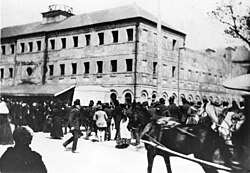
Despite these efforts, the mob captured and murdered 11 men. The victims included individuals with complex histories, such as Macheca, a man born in Louisiana to a Sicilian father and Maltese mother who had served in the Confederate States Army and fought in the Battle of Liberty Place in 1874.
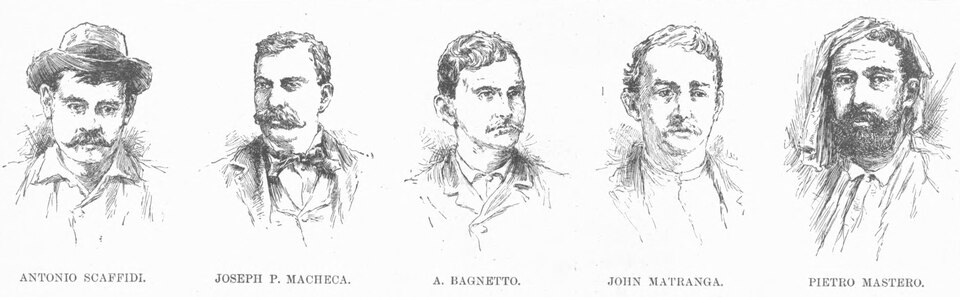
A few individuals managed to survive by hiding within the prison, including Gaspare Marchesi, whose father was among those lynched.
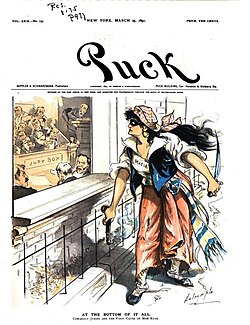
Aftermath and Diplomatic Crisis
The fallout from the massacre extended far beyond New Orleans. A grand jury investigation, presided over by Judge Robert H. Marr—a friend of several mob participants—concluded that jurors had been bribed to acquit the suspects, though no evidence was provided and no charges were filed against the lynchers.
Internationally, the event caused a severe diplomatic rift. The Italian government demanded justice and reparations. When the U.S. refused to prosecute the mob leaders, Italy recalled its ambassador from Washington, and the U.S. recalled its legation from Rome. To ease tensions, President Benjamin Harrison declared the first nationwide celebration of Columbus Day in 1892.
President Harrison eventually agreed to pay a $25,000 indemnity to the victims' families, resulting in payments of $2,211.90 to each of the eleven families, despite opposition from Congress.
| Category | Details |
|---|---|
| Primary Motives | Italophobia, Xenophobia, Anti-Catholicism |
| Number of Victims | 11 Italian Americans |
| Legal Trigger | Acquittals in the David Hennessy murder trial |
| Political Outcome | Defeat of Mayor Shakspeare in 1892 |
| Diplomatic Resolution | $25,000 indemnity and first national Columbus Day |
Frequently Asked Questions
Why were Italian immigrants targeted in New Orleans?
They were targeted due to a combination of xenophobia and economic tension. They had been brought in to replace Black labor on plantations, and Southern Italians, particularly Sicilians, were viewed as racially and culturally inferior by the established population.
What was the role of the media in the lynchings?
Local press and editorials incited the public by framing the acquittals in the Hennessy trial as a failure of justice, effectively encouraging the mob to seek "vigilante justice" against the Italian suspects.
How did the U.S. government respond to the diplomatic crisis with Italy?
President Benjamin Harrison attempted to placate Italy by paying a $25,000 indemnity to the victims' families and establishing the first nationwide celebration of Columbus Day in 1892 to honor Italian heritage.
Were any of the perpetrators ever brought to justice?
No. Despite a grand jury investigation, no criminal charges were pursued against the members of the lynch mob, largely because the presiding judge was a personal friend of several participants.
How did this event affect local politics?
The tragedy led to the narrow defeat of Mayor Joseph A. Shakspeare in the 1892 election, as the Italian-American vote shifted decisively toward his opponent, John Fitzpatrick.